10 Best Vacuum Forming Techniques to Enhance Your Projects
In the evolving landscape of manufacturing and design,
vacuum forming has emerged as a pivotal technique that enhances the production of intricate shapes and forms.
Renowned expert in the field,
Dr. Emily Carter, an industrial designer with over two decades of experience, once stated,
"Vacuum forming is not just about shapes; it’s about creating innovative solutions that push the boundaries of what's possible."
As more industries recognize the versatility and efficiency of this process,
the demand for advanced vacuum forming techniques continues to rise.
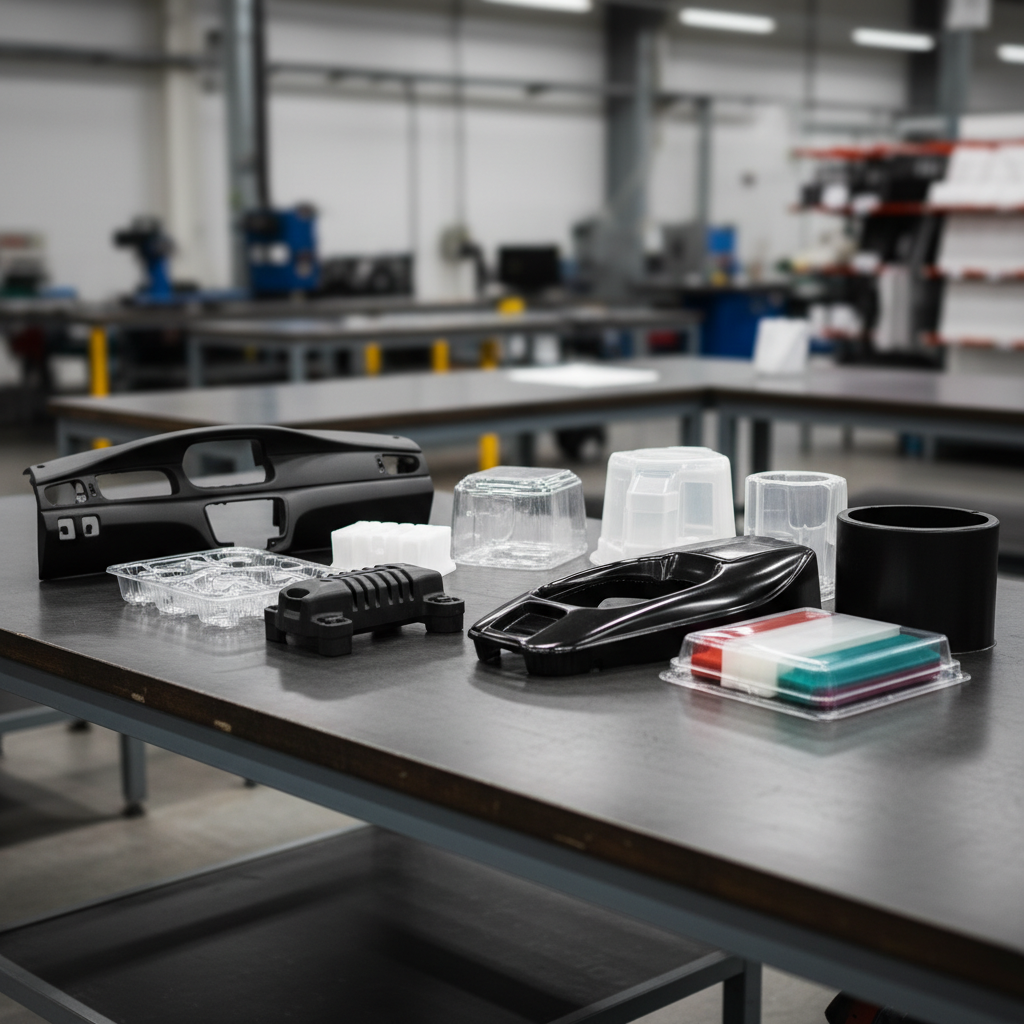
Understanding the best practices in vacuum forming can set your projects apart in numerous applications,
from prototyping to large-scale production. The process allows for precision and customization, making it indispensable in sectors such as
automotive, aerospace, and packaging.
In this article, we will explore the "10 Best Vacuum Forming Techniques to Enhance Your Projects,"
highlighting innovative methods that not only streamline production but also elevate the final product's quality and aesthetics.
Whether you are a seasoned engineer or a novice enthusiast, mastering these techniques will empower your creative endeavors and optimize your manufacturing processes.
Innovative Vacuum Forming Techniques for Superior Project Quality
Vacuum forming is a versatile technique that can elevate the quality of your projects by offering innovative solutions for material shaping and design. By utilizing heat and vacuum pressure, this method allows for the creation of detailed and precise shapes from various thermoplastics, making it ideal for prototyping and product development. One of the key advantages of vacuum forming is its ability to produce lightweight yet sturdy components that can enhance both aesthetic appeal and functionality.
Exploring advanced vacuum forming techniques can lead to superior results in your projects. For instance, the integration of CNC machining in the mold-making process can greatly improve the accuracy of finished products. Additionally, experimenting with diverse plastic materials, such as ABS, polycarbonate, or PETG, can yield different textures and finishes, allowing for customization suited to specific applications. Furthermore, incorporating colorants or additives during the forming process can not only improve the visual aspects but also provide enhanced properties like UV resistance or increased durability. Embracing these innovative techniques can significantly transform the quality and capabilities of your vacuum-formed projects.
10 Best Vacuum Forming Techniques to Enhance Your Projects
Utilizing Advanced Materials to Boost Vacuum Forming Efficiency
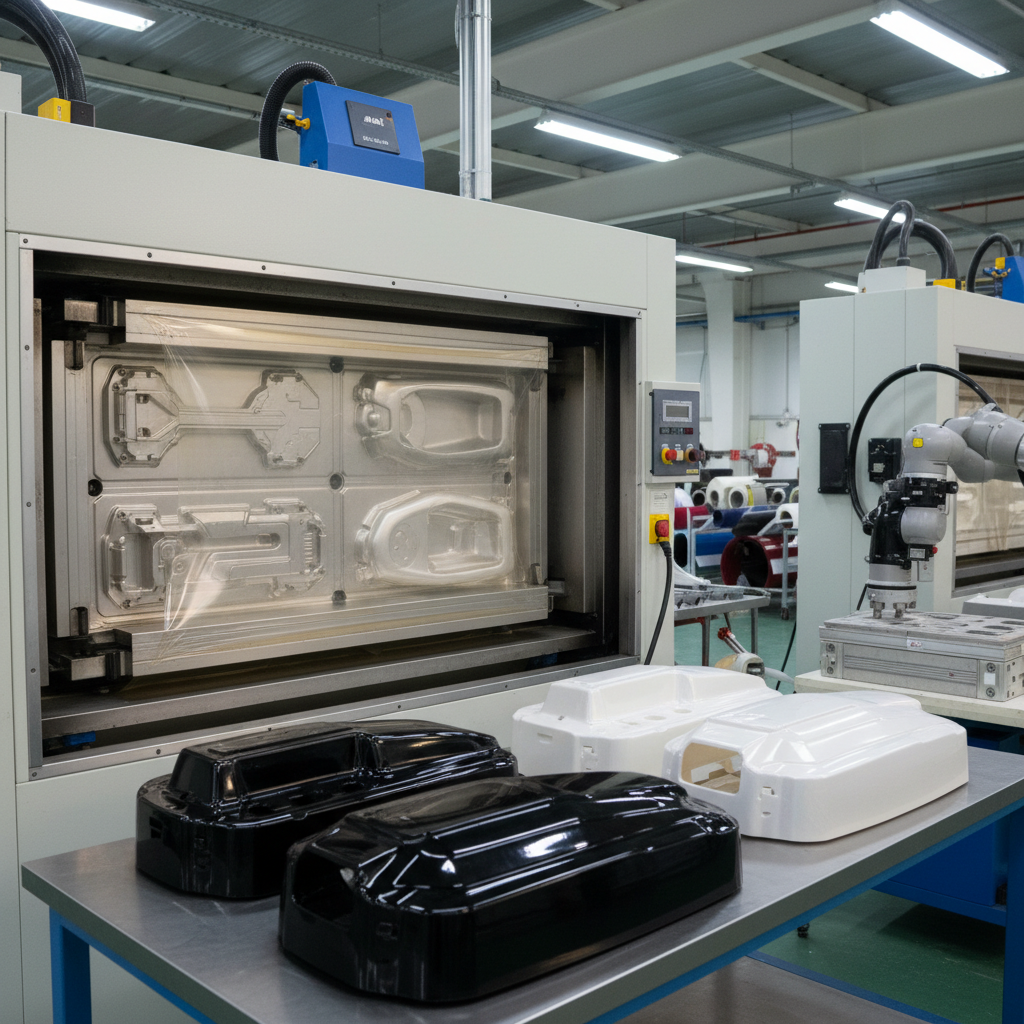
Vacuum forming is a versatile manufacturing technique that allows for the creation of intricate shapes and designs using thin sheets of plastic. To significantly enhance the efficiency of vacuum forming, the choice of advanced materials plays a crucial role. Modern thermoplastics, such as polycarbonate and ABS, offer a balance of strength, flexibility, and easy moldability, making them ideal for various applications. By selecting materials that can withstand higher temperatures and provide better impact resistance, manufacturers can produce more durable products with enhanced aesthetic qualities.
In addition to traditional thermoplastics, innovative materials like PETG and HIPS are gaining popularity in vacuum forming due to their excellent clarity and improved processability. Utilizing these advanced materials not only optimizes the forming process but also reduces production time and waste. Furthermore, incorporating additives and coatings can enhance the surface finish, providing projects with an upscale look and feel. By leveraging these materials, designers and engineers can push the boundaries of what is possible in their projects, resulting in high-performance products that meet modern consumer demands.
Step-by-Step Guide to Mastering Vacuum Forming Processes
Vacuum forming, a versatile manufacturing process, allows for the creation of customized plastic parts with precision and efficiency. Learning effective techniques in vacuum forming can significantly enhance the outcome of your projects. For instance, understanding the importance of material selection can lead to better product durability and performance. Research indicates that using high-quality thermoplastics can increase mold lifespan by up to 30%, ensuring a return on investment that supports longevity and quality in production.
As you embark on mastering vacuum forming processes, a structured approach is essential. Start with meticulous mold preparation, as this step lays the groundwork for achieving optimal results. Reports suggest that 60% of common vacuum forming issues arise from insufficient mold quality. Additionally, employing proper temperature management ensures that the plastic settles evenly, minimizing imperfections. Incorporating advanced techniques like pressure control can also elevate the vacuum forming experience; studies show that maintaining consistent pressure during forming can improve the clarity and definition of the final product by up to 25%. By following these steps, you can develop a strong foundation in vacuum forming that will elevate your projects to professional standards.
Common Mistakes in Vacuum Forming and How to Avoid Them
Vacuum forming is a versatile technique widely used in various industries for creating shaped plastic parts. However, there are several common mistakes that can hinder the final outcome of your projects. One frequent oversight is inadequate heating of the plastic sheet. If the material is not heated sufficiently, it may not form properly around the mold, resulting in weak and ill-fitting parts. Ensuring uniform heating is crucial; using a temperature gauge can help you achieve the right balance.
Another common pitfall is improper mold design. A mold with sharp corners or excessive undercuts can make it difficult for the formed plastic to release, leading to production waste and structural flaws. To avoid this, it is essential to create molds with smooth transitions and gradual slopes, allowing for easier demolding. Additionally, ensure that your mold is securely fastened and stable during the forming process to prevent shifting that could distort the final product. By addressing these common mistakes, you can enhance your vacuum forming projects and achieve better results.
10 Best Vacuum Forming Techniques to Enhance Your Projects - Common Mistakes in Vacuum Forming and How to Avoid Them
| Technique |
Description |
Common Mistake |
How to Avoid |
| 1. Pre-Heating |
Heating the plastic sheet to the right temperature for optimal forming. |
Overheating the material. |
Use an infrared thermometer to monitor temperature. |
| 2. Vacuum Pressure |
The amount of vacuum pressure applied during forming. |
Insufficient vacuum pressure leads to poor detail. |
Ensure vacuum pump is appropriate for the task. |
| 3. Mold Preparation |
Properly preparing the mold surface for forming. |
Not properly polishing the mold. |
Use mold release agents for smooth surfaces. |
| 4. Cooling Time |
Time allowed for the formed part to cool down. |
Removing the part too early can cause warping. |
Allow sufficient time for cooling before demolding. |
| 5. Material Selection |
Choosing the right type of plastic for the project. |
Using the wrong thickness or type of plastic. |
Study material properties and compatibility with your project. |
| 6. Edge Management |
Properly managing edges to avoid tearing. |
Ignoring edge design can lead to splitting. |
Design molds with rounded edges to distribute stress effectively. |
| 7. Ventilation |
Using vents to allow air to escape during forming. |
Not incorporating vents can cause air pockets. |
Add strategically placed vents to the mold design. |
| 8. Thickness Control |
Controlling plastic thickness during heating. |
Inconsistent thickness leads to weak areas. |
Use uniform heat sources and monitor material placement. |
| 9. Timing Precision |
Accurate timing for heating and cooling cycles. |
Timing errors can affect shape quality. |
Set timers and alarms to maintain accuracy. |
| 10. Post-Processing |
Finishing techniques applied after forming. |
Neglecting surface finishing can lead to rough edges. |
Incorporate sanding or trimming as needed. |
Maximizing Creativity Through Custom Mold Design in Vacuum Forming
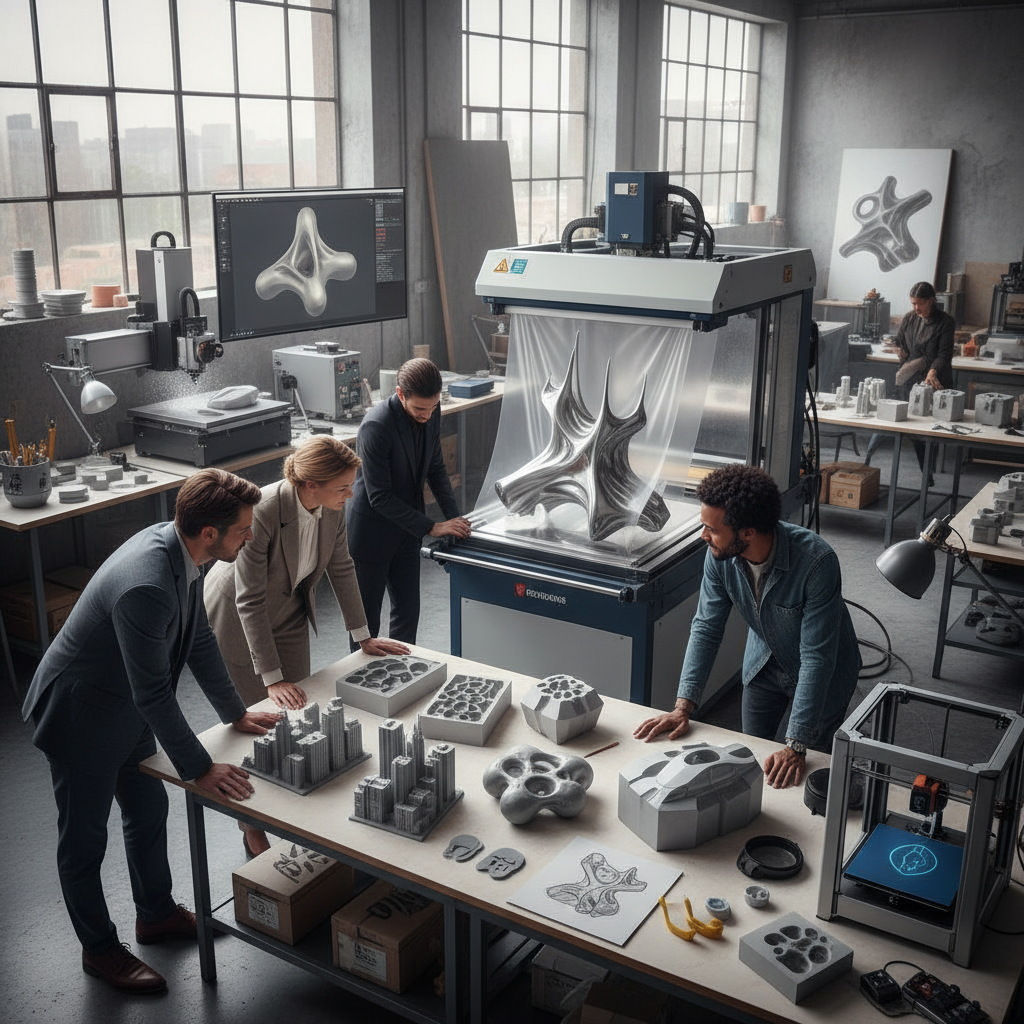
Custom mold design plays a crucial role in maximizing creativity in vacuum forming projects.
By carefully crafting molds tailored to specific project requirements, designers can explore unique shapes
and intricate details that enhance the overall aesthetics and functionality of their creations.
Advanced techniques such as 3D printing and CNC machining enable the rapid production of precise molds,
allowing artists and engineers to experiment with complex geometries that were once difficult or impossible to achieve.
This freedom fosters innovation, as creators can push boundaries and develop products that stand out in a competitive market.
Moreover, utilizing various materials for mold making further expands creative possibilities. From traditional wood and metal
to modern composites, the choice of material affects both the quality of the vacuum-formed products and the detail that
can be achieved. Incorporating textures, patterns, and even movable parts into molds encourages dynamic designs that engage
users and create a memorable experience.
As designers harness these custom mold techniques, they not only enhance the visual impact of their projects
but also elevate the functionality, providing a platform for continuous innovation in vacuum forming applications.