The Best Water Storage Tanks for Your Home and Garden Needs
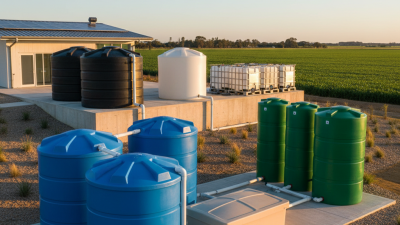
Water storage tanks play a crucial role in maintaining a sustainable and efficient water supply for both home and garden needs. As the demand for water conservation increases, homeowners are seeking reliable solutions to capture and store water effectively. According to Dr. Emily Hart, an expert in water management and conservation, "Investing in quality water storage tanks not only enhances your water supply security but also promotes responsible resource management." Her insights emphasize the growing importance of water storage systems in our daily lives.
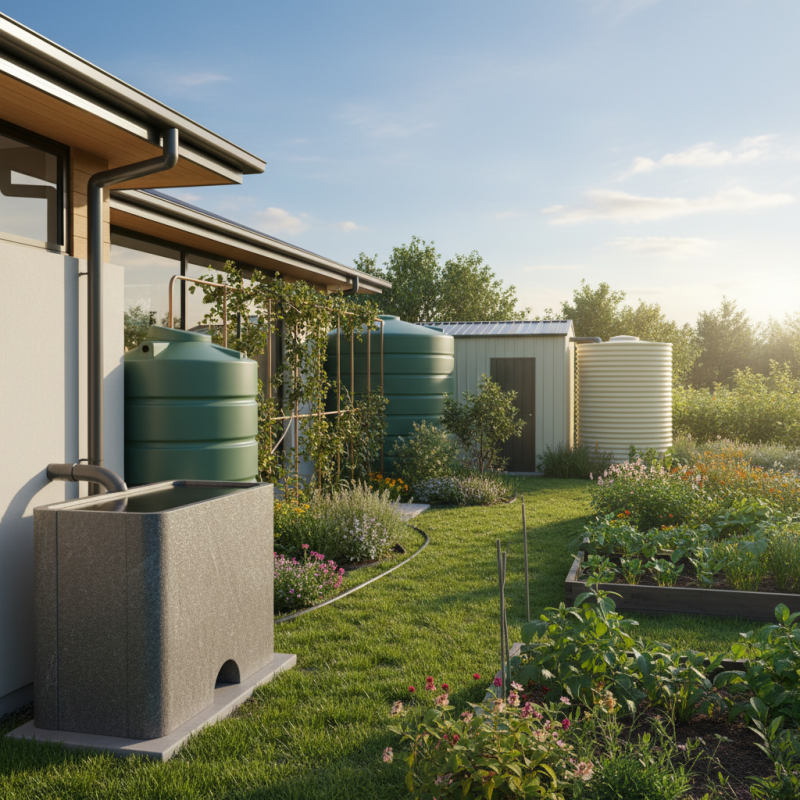
In recent years, various designs and materials have emerged in the water storage tanks market, each catering to specific requirements and preferences. Whether you aim to collect rainwater, store water for irrigation, or ensure a backup supply for household needs, choosing the right tank is essential. The options range from traditional models to innovative solutions that blend functionality with aesthetics, allowing homeowners to integrate their tanks seamlessly into their outdoor environments.
As you explore the best water storage tanks for your needs, understanding the features, benefits, and installation considerations is vital. By making an informed choice, you can contribute to water conservation efforts while ensuring your home and garden thrive.
Key Factors to Consider When Selecting Water Storage Tanks
When it comes to selecting the best water storage tanks for your home and garden needs, several key factors must be considered to ensure optimal functionality and efficiency. First and foremost, assess the storage capacity you require. This will depend on your daily water usage and the specific purposes for which you'll be using the water, such as irrigation, domestic consumption, or emergency supply. It's essential to strike a balance between having enough storage to meet your needs without overwhelming your space or budget.
Another important factor is the material of the tank. Common options include plastic, metal, and concrete, each offering different advantages. For instance, plastic tanks are lightweight and corrosion-resistant, making them ideal for residential use. On the other hand, metal tanks, while more durable, can be susceptible to rust if not properly treated. Always consider the environmental conditions in your area, as these can significantly impact the longevity and performance of the tank.
Tips: When choosing a tank, think about the installation process—some tanks require more extensive groundwork than others. Additionally, look for tanks with built-in features like easy access points for maintenance or sediment removal. Lastly, don’t forget to check local regulations regarding water storage to ensure compliance and peace of mind.
Types of Water Storage Tanks: Pros and Cons for Homeowners
When selecting warm water storage tanks for home and garden use, understanding the different types and their respective advantages and disadvantages is crucial for homeowners. Generally, there are three main types of water storage tanks:
plastic,
fiberglass, and
metal.
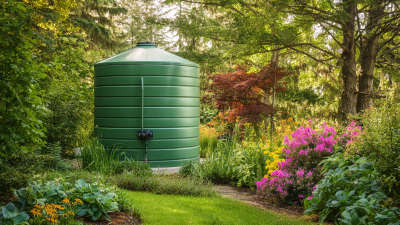
Plastic tanks are lightweight, cost-effective, and resistant to corrosion, making them an attractive choice for many homeowners. However, they may have limitations in terms of durability against extreme temperatures or UV rays.
On the other hand, fiberglass tanks offer greater strength and longevity, resisting corrosion and extreme weather conditions. They provide good insulation, which can be beneficial for maintaining water temperature. However, these tanks can be more expensive and may require professional installation.
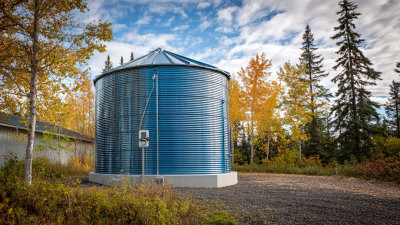
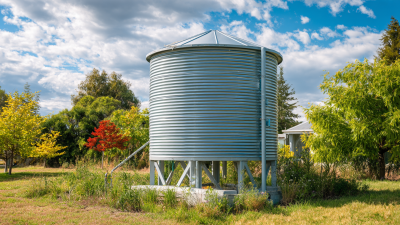
Metal tanks, typically made from steel, boast exceptional durability and can hold large volumes of water, making them ideal for agricultural use. However, they are prone to rust and require regular maintenance.
Tips: When choosing a tank, homeowners should consider local regulations, as some areas have restrictions on tank types or sizes. It's also important to assess your water requirements; for gardens, a smaller tank may suffice, while larger households may need more capacity.
Moreover, investing in a quality filtration system can enhance water quality, particularly if the water will be used for irrigation or consumption, according to data from the American Water Works Association indicating that quality storage significantly impacts overall system efficiency.
Installation Tips for Efficient Water Storage Tank Usage
When it comes to optimizing your water storage tank usage, proper installation plays a pivotal role in ensuring efficiency and longevity. First, selecting the right location for your tank is crucial. It should be placed on level ground away from potential flooding areas and sunlight to minimize evaporation and contamination. Additionally, considering proximity to your garden or home plumbing can simplify the connections and make maintenance easier.
Next, ensure the tank is properly secured. This includes anchoring it if necessary, especially in areas prone to severe weather. It’s crucial to follow all manufacturer guidelines during installation to maintain warranty validity and ensure safety. Installing a reliable filtration system can further enhance water quality, making it suitable for both irrigation and household use. Incorporating a first-flush system can help divert the initial dirty runoff away from your tank, ensuring that the stored water remains clean and usable. By taking these steps, you can maximize the effectiveness of your water storage tank and contribute to sustainable water management in your home and garden.
Maintenance and Care for Longevity of Water Storage Systems
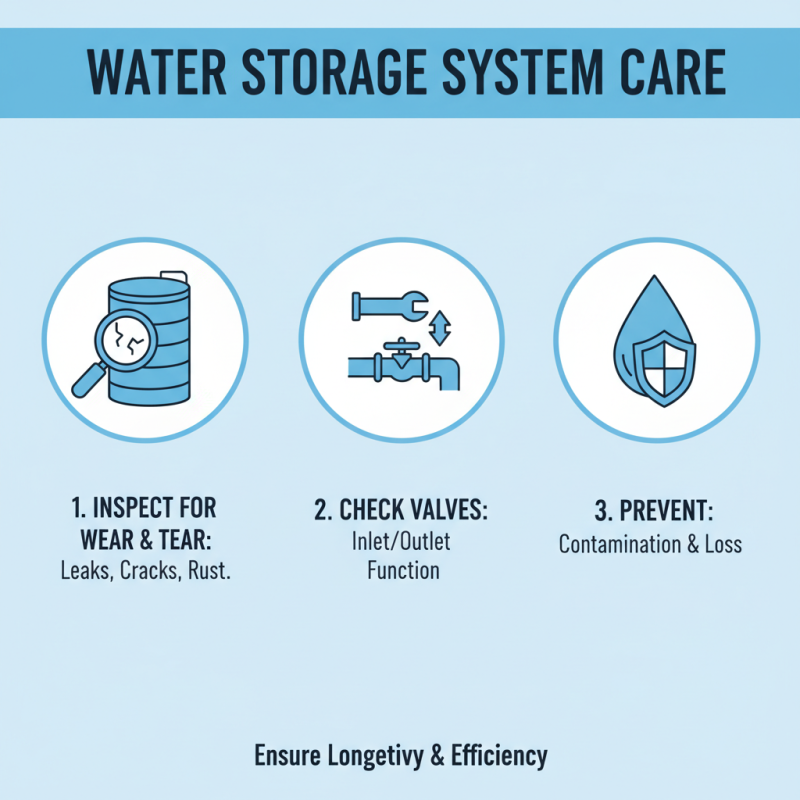
To ensure the longevity and efficiency of your water storage system, regular maintenance and care are essential. Start by inspecting your tank and its fittings for any signs of wear and tear. This includes checking for leaks, cracks, or rust, which can compromise the structural integrity of the tank. Additionally, ensure that the inlet and outlet valves are functioning correctly to prevent any water contamination or loss.
Cleaning your water storage tank is another critical aspect of maintenance. Removing sediment buildup not only improves the quality of the stored water but also prolongs the life of the tank. Depending on the materials used in your tank, you should follow specific cleaning protocols, using non-toxic solutions that will not harm the water quality. Conducting regular water quality tests can also help you monitor for impurities and ensure that the water remains safe for use in your home and garden. By taking these steps, you can maximize the performance and lifespan of your water storage system.
Best Brands and Models for Home and Garden Water Storage Solutions
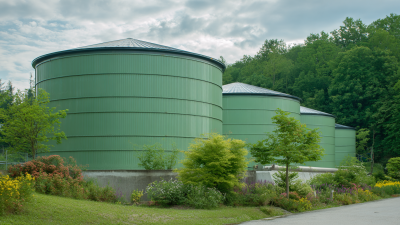
When selecting the best water storage tanks for your home and garden, it’s important to consider various factors such as capacity, material, and design. According to a report by IBISWorld, the demand for water storage tanks is projected to grow significantly, driven by increasing concerns over water conservation and the need for sustainable practices in agricultural and residential settings. High-quality tanks can store thousands of gallons, catering to both household needs and irrigation for gardens, ensuring that water is available during critical dry periods.
In the quest for efficient water storage solutions, several models have emerged as favorites among homeowners and gardeners. For example, polyethylene tanks have surged in popularity due to their durability, lightweight nature, and resistance to UV rays, making them suitable for outdoor conditions. Furthermore, a study by the Water Environment Federation indicates that using rainwater harvesting systems, which often incorporate these tanks, can reduce municipal water demand by up to 50%, showcasing their effectiveness in promoting sustainable water usage. With various brands offering innovative designs that facilitate easy installation and maintenance, it becomes essential for consumers to evaluate their specific needs and select tanks that best align with their water storage goals.