What is a Plastic Water Storage Tank and How to Choose the Right One
In the realm of water management, the importance of plastic water storage tanks cannot be overstated. With an increasing demand for efficient water storage solutions across various sectors, including agriculture, construction, and residential uses, the global market for these tanks is anticipated to reach $2.5 billion by 2025, according to a recent industry report by Market Research Future. The versatility, durability, and affordability of plastic tanks make them a preferred choice for many, yet choosing the right one can be a daunting task for many consumers.
Expert in water storage solutions, Dr. John Henderson states, “The choice of a plastic water storage tank should depend not only on capacity but also on the specific requirements of the intended application.” Understanding the specific characteristics of plastic water storage tanks, such as material types, installation needs, and maintenance requirements, is crucial for making an informed decision. As various options flood the market, consumers are urged to assess their needs carefully to ensure optimal performance and longevity of their water storage systems. This article aims to guide you through the essential considerations and tips for selecting the right plastic water storage tank for your needs.
Understanding the Basics of Plastic Water Storage Tanks
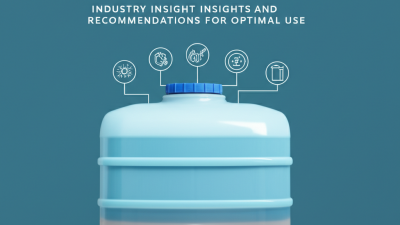
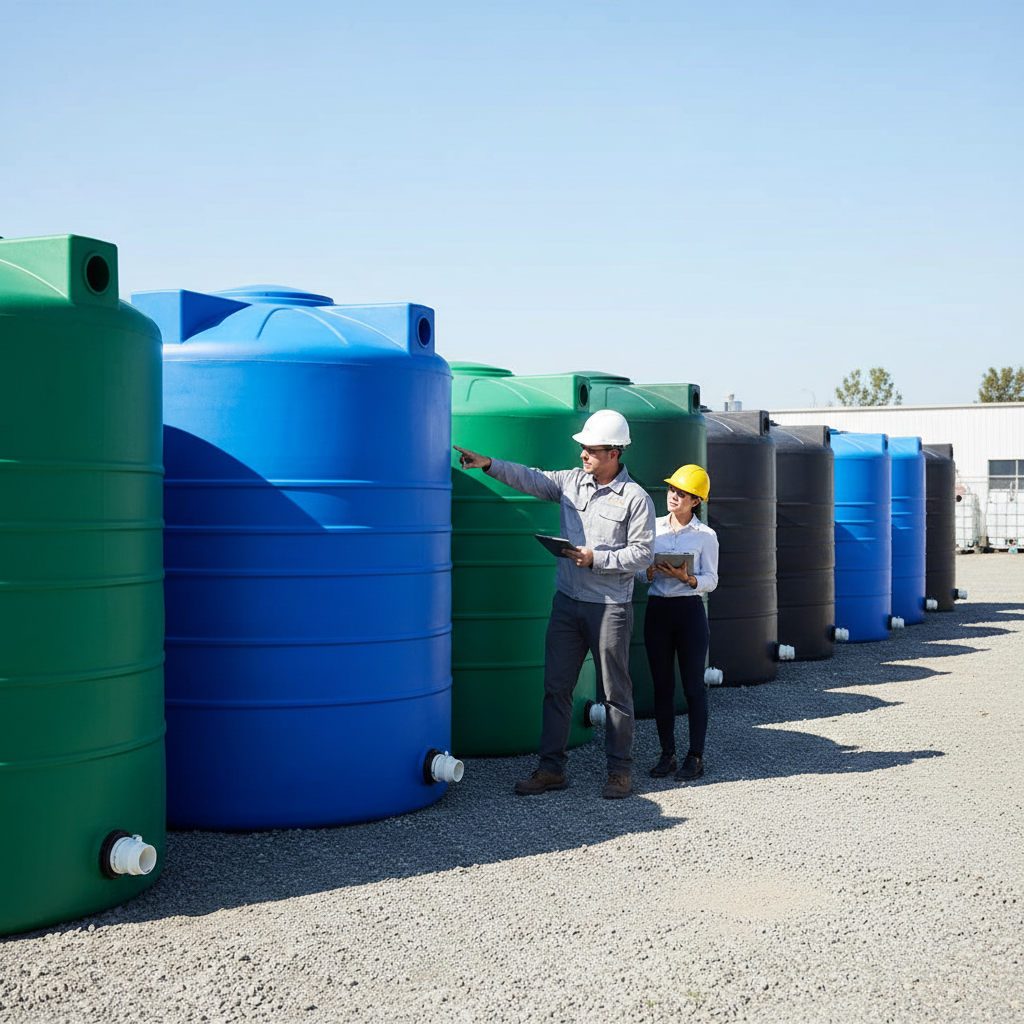
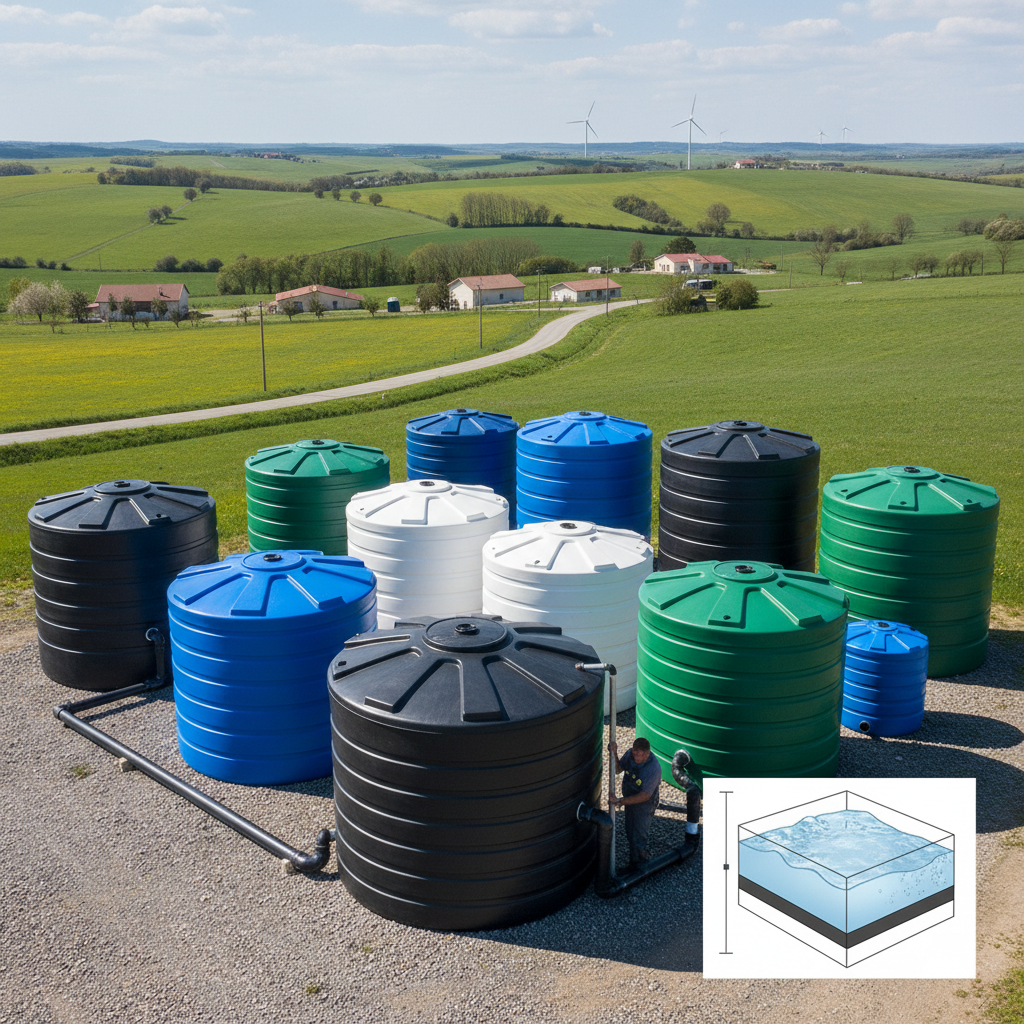
Plastic water storage tanks are essential components for both residential and commercial water management systems. These tanks are made from durable polyethylene or other types of plastic, which provide them with various advantages, including resistance to corrosion, lightweight properties, and ease of installation. They come in various sizes and shapes, making them versatile for storing potable water, rainwater harvesting, or agricultural needs. Understanding the basics of these tanks is crucial for making informed decisions about water storage solutions.
When choosing the right plastic water storage tank, several factors must be considered. First, assess the purpose of the tank, as different applications may require specific features, such as UV protection for outdoor tanks or food-grade materials for drinking water. Additionally, consider the tank’s capacity based on your water demand and the available space for installation. The tank's location also plays a crucial role; for example, underground tanks require special pre-treatment to prevent contamination. Overall, selecting the right plastic water storage tank involves balancing capacity, material quality, and specific requirements tailored to your needs.
Key Factors to Consider When Choosing a Plastic Water Tank
When selecting a plastic water storage tank, there are several key factors to consider to ensure you choose the right one for your needs.
First, evaluate the capacity required based on your usage. Tanks come in various sizes, so understanding the volume of water you need to store is essential.
This can range from small tanks suitable for residential use to large tanks for industrial applications.
Another important aspect is the material quality. Look for tanks made from high-density polyethylene (HDPE) as they offer excellent resistance to UV radiation and are less likely to degrade over time.
This is particularly crucial if the tank will be placed outdoors where it is exposed to sunlight.
Also, consider the tank's design features, such as whether it has built-in overflow protection or a closed lid to prevent contamination.
Tips: Always check for certifications or standards compliance to ensure safety and quality.
Regular maintenance and cleaning of your tank will prolong its lifespan and ensure the water remains potable.
Lastly, consider the tank's location and accessibility for both installation and maintenance purposes.
Comparing Different Types of Plastic Water Storage Tanks
When considering plastic water storage tanks, it's essential to examine the different types available in the market. Common varieties include polyethylene, polypropylene, and PVC tanks, each offering unique advantages suited for specific applications. According to a report by Transparency Market Research, the global plastic water storage tank market is projected to grow at a CAGR of 5.6% between 2021 and 2028, driven by increasing consumer demand for affordable and durable storage solutions.
Polyethylene tanks are the most popular due to their lightweight nature and resistance to UV rays, making them ideal for outdoor storage. Meanwhile, polypropylene tanks offer higher temperature resistance, making them suitable for a variety of industrial applications. PVC tanks, while not as common, provide excellent chemical resistance; thus, they are often used in agricultural settings. Selecting the right type depends on factors such as the intended use, environmental conditions, and regulatory requirements, ensuring that users gain maximum value from their investment in water storage solutions.
Comparison of Different Types of Plastic Water Storage Tanks
This chart compares various types of plastic water storage tanks based on their capacity (in liters) and durability rating (on a scale of 1 to 10).
Maintenance Tips for Longevity of Your Plastic Water Tank
Plastic water storage tanks are a popular choice due to their lightweight nature and resistance to corrosion. However, to maximize their lifespan and maintain optimal performance, regular maintenance is essential. According to the Plastics Industry Association, proper care can extend the life of these tanks by up to 50%, making maintenance a crucial aspect for users.
One vital maintenance tip involves regular inspections for signs of wear, such as cracks or deformities, which can compromise the tank's integrity. It's recommended to clean the tank at least once every six months, using a mixture of water and a mild detergent to remove any sediment or algae buildup. The National Association of State Departments of Agriculture (NASDA) suggests that maintaining water quality is equally important; users should monitor the water's pH levels and ensure they remain between 6.5 and 8.5 to prevent bacteria growth and tank deterioration.
Another key aspect of maintaining plastic water tanks is proper installation and location. Ensuring that tanks are placed on a level surface and protected from direct sunlight can significantly reduce degradation from UV exposure, which can lead to brittleness. The American Water Works Association states that tanks exposed to prolonged sunlight can lose structural integrity significantly faster than those that are shaded. By implementing these maintenance practices, users can ensure longevity and efficiency in their water storage solutions.
Common Mistakes to Avoid When Selecting a Water Storage Solution
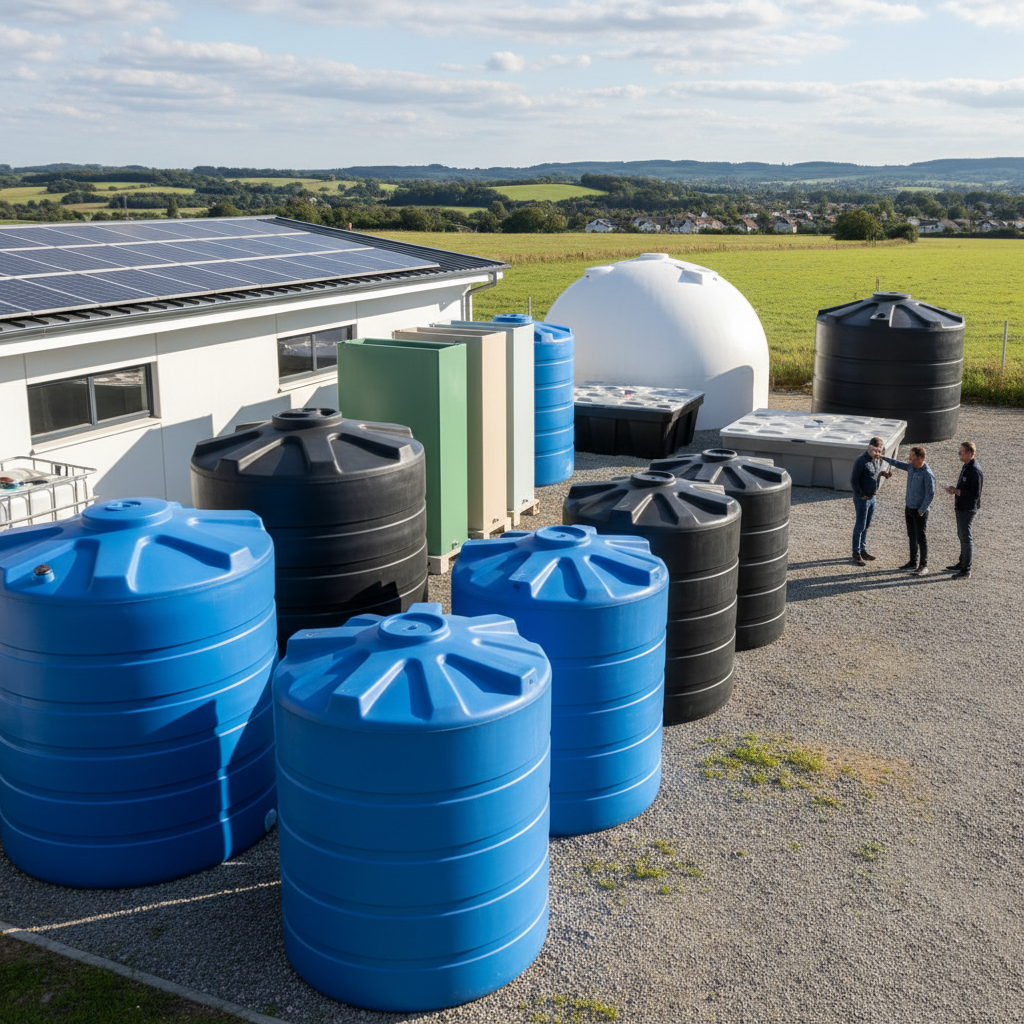
When selecting a plastic water storage tank, it's essential to avoid common mistakes that can compromise your water quality and efficiency. One major pitfall is overlooking the tank material and its compatibility with the stored water type. Certain plastics can leach chemicals into the water, especially when exposed to high temperatures, which can be problematic for drinking water storage. Always opt for tanks made from food-grade materials if the water is intended for consumption.
Another mistake is misjudging the size and capacity needed for your water storage solution. A tank that's too small can lead to frequent refills, while an oversized tank may take up unnecessary space and resources. It's crucial to assess your water needs based on usage patterns and environmental conditions, especially if you live in an area prone to droughts. Additionally, ensure that the tank features, such as filtration and accessibility options, align with your specific requirements to maximize its efficiency and longevity.