2025's Top 10 Large Plastic Water Tanks for Efficient Water Storage
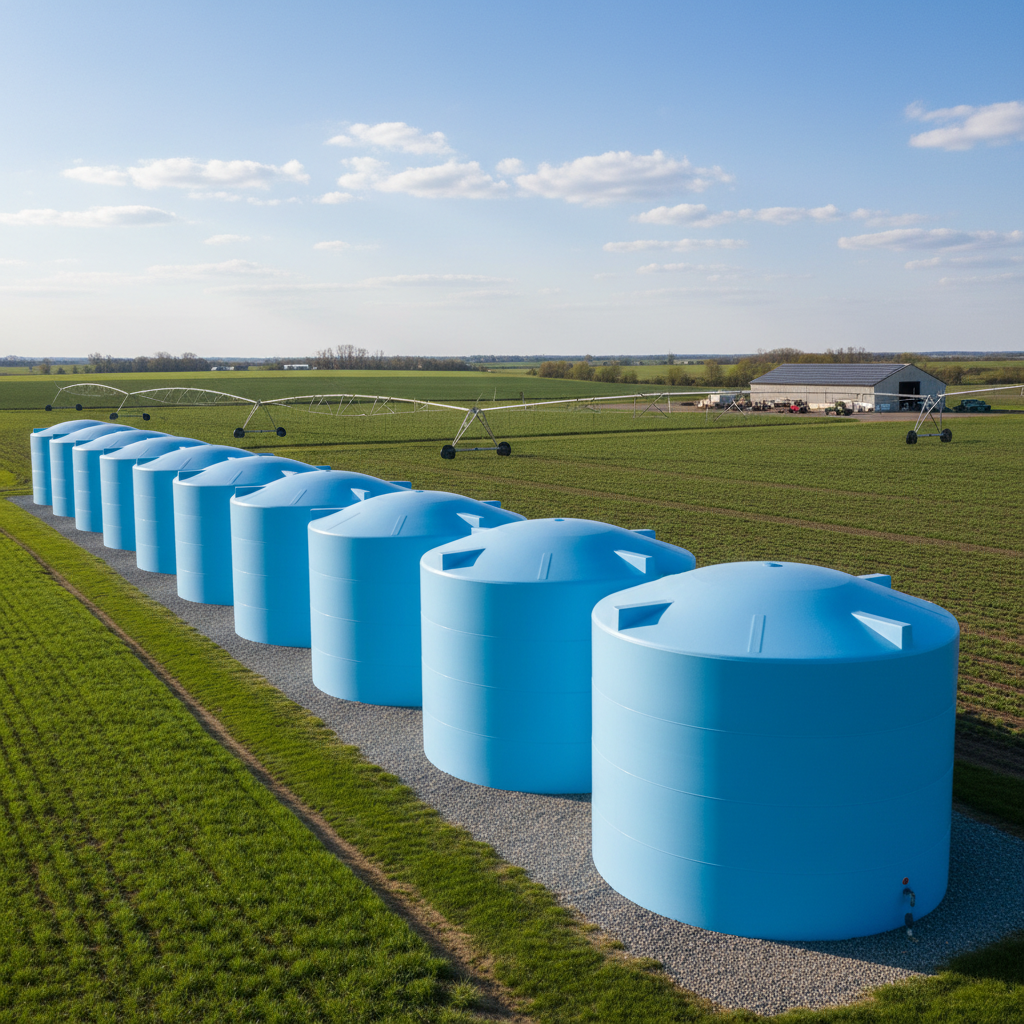
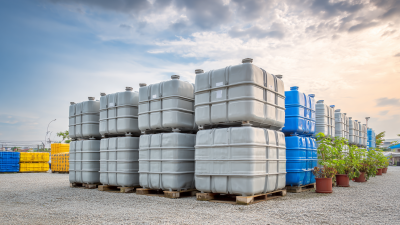
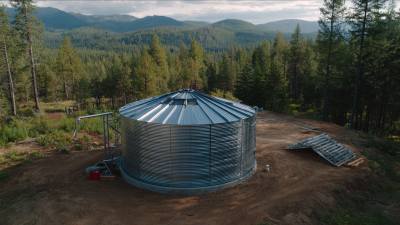
In an era where sustainable water management is increasingly vital, selecting the right storage solution can make all the difference. Large plastic water tanks have emerged as a popular choice for both residential and commercial applications due to their durability, cost-effectiveness, and versatility. As we look ahead to 2025, the market is packed with options, making it essential for consumers to identify the most efficient large plastic water tanks that meet their needs.
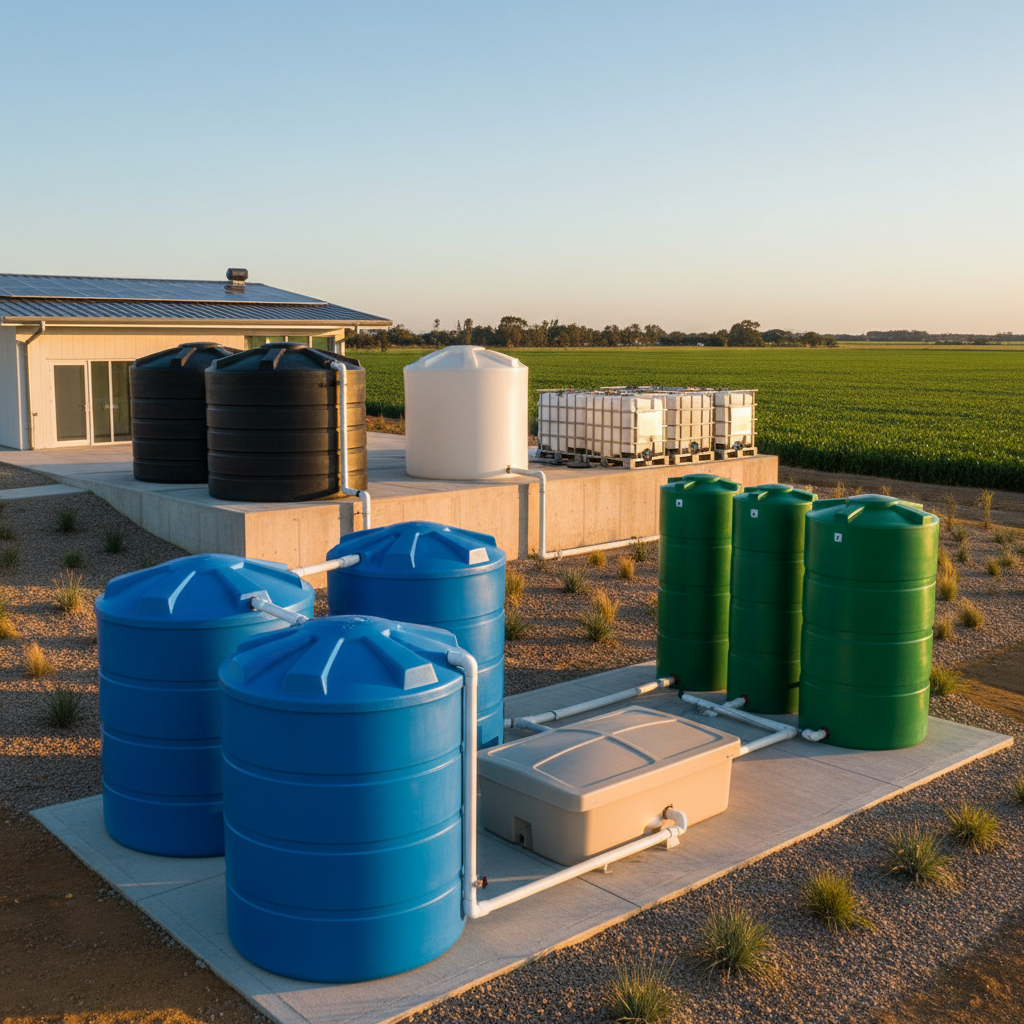
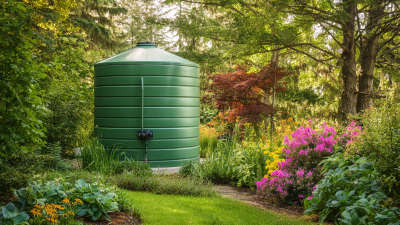
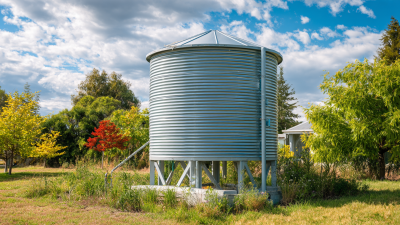
This article will present the top 10 large plastic water tanks for 2025, highlighting their key features, benefits, and ideal applications. From rainwater harvesting to agricultural usage, these tanks are designed to optimize water storage solutions while ensuring longevity and reliability. Whether you're considering a tank for a small garden or a large-scale operation, our curated list will help you make an informed choice in your quest for efficient and effective water storage. Join us as we explore the best options available in the market, setting you on the path to sustainable water management for years to come.
Top Features to Look for in Large Plastic Water Tanks for 2025
When searching for the best large plastic water tanks in 2025, it’s essential to focus on key features that enhance efficiency and longevity. One of the primary considerations is the material quality; high-density polyethylene (HDPE) is widely recommended for its durability and resistance to UV rays and extreme temperatures. According to the National Association of State Departments of Agriculture, using HDPE can extend the life of the tank significantly, often exceeding 30 years with proper maintenance.
Another critical feature to assess is the tank's capacity and design flexibility. As per market analysis from IBISWorld, the demand for water storage solutions is projected to grow by 5.3% annually, highlighting the necessity for tanks that can accommodate varying needs. Look for options that offer modular designs, allowing for adaptability in different settings, whether for agricultural use or urban water management. Additionally, features such as built-in overflow prevention systems and easy access for cleaning can significantly enhance functionality, ensuring that your investment serves its purpose effectively for years to come.
Comparative Analysis of the Best Large Plastic Water Tanks for Storage
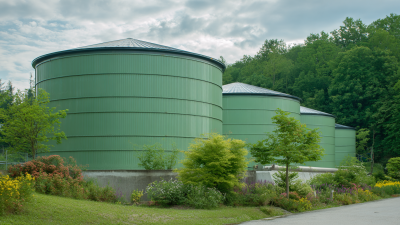
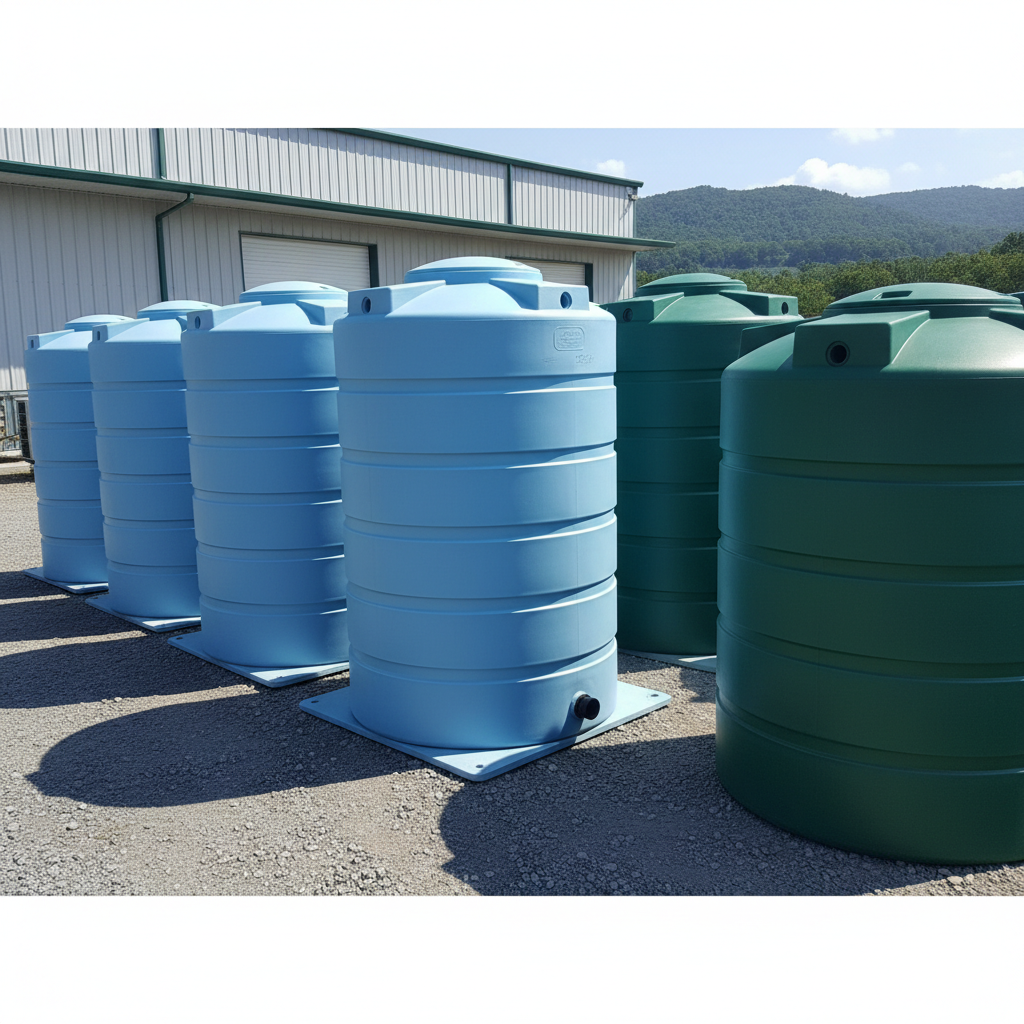
When it comes to efficient water storage, large plastic water tanks are essential for both residential and commercial use. A comparative analysis reveals that the best options prioritize durability, UV resistance, and ease of installation. Some of the top contenders for 2025 include models that feature reinforced walls to withstand environmental stressors and those designed with innovative dome tops to prevent water contamination.
Tips for selecting the ideal water tank include considering the material's quality and certifications. Look for tanks made from food-grade polyethylene to ensure safe drinking water storage. Furthermore, evaluate the tank's capacity against your projected water needs, particularly during dry seasons or emergencies. Another critical factor is the tank's location; placing it in a shaded area can extend its lifespan by reducing UV exposure.
Additionally, maintenance plays a significant role in the longevity of these tanks. Regular checks for leaks and sediment build-up can save you from costly repairs. Investing in a filtration system might also be beneficial to keep the stored water clean and safe for use.
Eco-Friendly Options: Sustainable Large Plastic Water Tanks for 2025
As water scarcity continues to be a pressing global issue, the demand for sustainable water storage solutions has surged. In 2025, eco-friendly large plastic water tanks will play a pivotal role in addressing this challenge. According to a recent report by the Water Research Foundation, the shift towards sustainable materials in water storage systems is expected to grow by 30% over the next five years. This is primarily driven by the increasing need to minimize environmental footprints and reduce reliance on non-renewable resources.
These eco-friendly tanks are often made from recycled plastics or bio-based materials, which not only conserve energy during production but also ensure the longevity of the tanks themselves. Studies indicate that tanks manufactured with sustainable practices can reduce carbon emissions by up to 40% compared to traditional plastic tanks. Furthermore, innovations in technology have led to the development of water tanks that offer superior resistance to UV degradation and bacterial growth, enhancing water quality and safety. As consumers and industries alike embrace these green alternatives, the market for sustainable large plastic water tanks will undoubtedly expand, offering both ecological benefits and efficient water storage solutions in 2025 and beyond.
Durability and Maintenance Considerations for Plastic Water Tanks
When selecting a large plastic water tank for efficient water storage, durability and maintenance are paramount considerations. According to a report by the Water Tank Association, a well-manufactured plastic tank can have a lifespan of over 30 years, making it a sustainable choice for long-term water storage solutions. Factors such as UV resistance, material thickness, and the quality of the resin play critical roles in determining a tank’s endurance against environmental stresses. Tanks made with high-density polyethylene (HDPE) are known for their superior strength and resistance to weathering, which is essential for outdoor installations.
Maintenance of plastic water tanks is relatively straightforward, yet important for optimal performance. Regular inspections for cracks, discoloration, and algae build-up can extend a tank's life significantly. A study published in the Journal of Water Management noted that implementing a proactive maintenance routine could enhance water quality and reduce the need for replacements by up to 25%. Keeping the tanks clean and ensuring proper drainage can prevent common issues and maintain the integrity of the tank over time. Therefore, selecting tanks designed for easy access and cleaning can make maintenance less cumbersome, ensuring that your water storage system remains efficient and reliable.
2025's Top 10 Large Plastic Water Tanks for Efficient Water Storage
This chart displays the estimated durability ratings and maintenance considerations for the top 10 large plastic water tanks available in 2025. The data reflects the average lifespan in years and maintenance frequency required annually.
Cost-Effectiveness: Evaluating Price versus Capacity for Large Water Tanks
When considering large plastic water tanks for efficient water storage, cost-effectiveness plays a pivotal role in decision-making. An analysis by the Water Tank Association reveals that the price of tanks varies significantly based on storage capacity, materials, and features. For instance, tanks with a capacity of over 5,000 liters can range from $500 to $1,500, yet those with enhanced UV protection and durability may command a premium price. It is crucial for consumers to evaluate whether the extra cost aligns with their specific needs, such as localization of water sources or expected rainfall patterns.
Capacity versus price is further illustrated in a recent market study, which indicates that tanks larger than 10,000 liters offer the best value per liter stored, with costs as low as $0.05 per liter compared to smaller units that can cost upwards of $0.10 per liter. This pricing strategy often reflects manufacturing efficiencies and the economies of scale in larger purchases. Ultimately, understanding these dynamics enables consumers to make informed choices, maximizing their investment while ensuring reliable water storage solutions tailored to their demands.
2025's Top 10 Large Plastic Water Tanks for Efficient Water Storage
| Tank Capacity (Gallons) |
Price ($) |
Price per Gallon ($) |
Material Quality |
Warranty (Years) |
| 500 |
300 |
0.60 |
High |
5 |
| 1000 |
500 |
0.50 |
Medium |
7 |
| 1500 |
700 |
0.47 |
High |
6 |
| 2000 |
850 |
0.43 |
Medium |
5 |
| 2500 |
1000 |
0.40 |
High |
8 |
| 3000 |
1200 |
0.40 |
Medium |
6 |
| 3500 |
1500 |
0.43 |
High |
7 |
| 4000 |
1700 |
0.43 |
Medium |
5 |
| 4500 |
2000 |
0.44 |
High |
8 |
| 5000 |
2200 |
0.44 |
Medium |
6 |