Top 10 Water Storage Tanks You Need to Know About for Optimal Usage
Water storage tanks play a crucial role in managing water resources effectively, particularly in the face of increasing global water demands and uncertainties due to climate change. According to the United Nations, over 2 billion people currently live in water-stressed countries, highlighting the urgent need for efficient water storage solutions. The design and capacity of water storage tanks can significantly influence water availability for agricultural, industrial, and domestic use, leading to better resource management and sustainability.
As the demand for water continues to rise, the importance of selecting the right type of water storage tank cannot be overstated. Industry reports indicate that the global water storage market is anticipated to grow significantly, driven by urbanization, population growth, and infrastructure development. Factors such as tank material, size, and maintenance will determine the efficiency of water storage tanks. Understanding the various types, applications, and benefits of these tanks is essential for optimizing usage and ensuring a reliable supply of water in both developed and developing regions. This article outlines the top 10 water storage tanks that are crucial for effective water management and conservation.
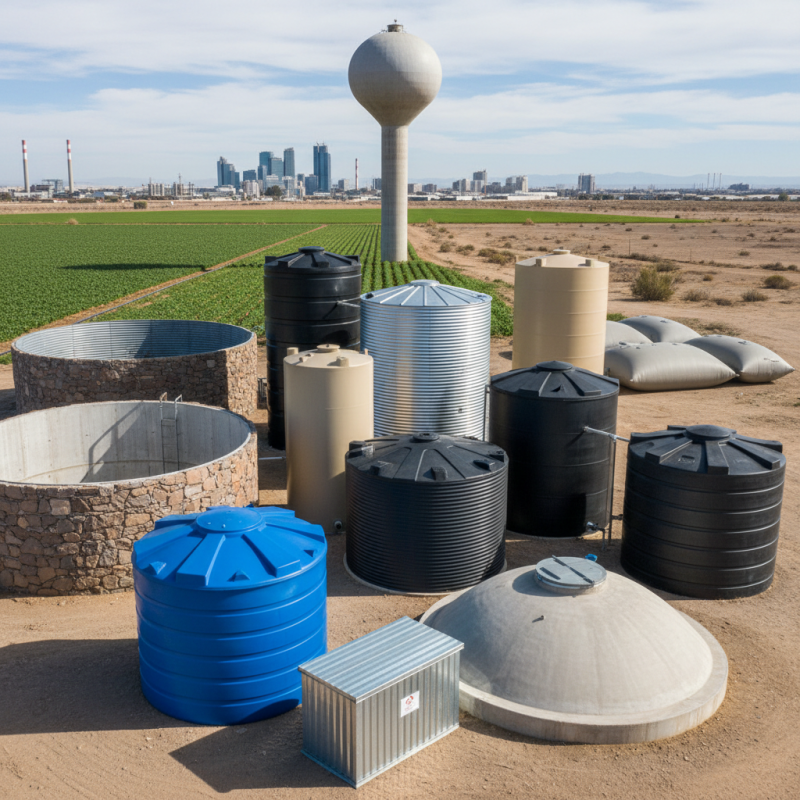
Top 10 Water Storage Tanks Overview and Importance
Water storage tanks play a crucial role in both residential and commercial settings, ensuring that water is readily available for various uses. Their importance goes beyond just holding water; they are essential for managing water supply during dry spells and emergencies. A well-designed tank can significantly improve efficiency, ensuring proper distribution and reducing waste. Additionally, they can be integrated into renewable water systems, such as rainwater harvesting, contributing to sustainable practices.
Understanding the various types of water storage tanks is vital for optimal usage. From polyethylene tanks to stainless steel options, each type offers unique benefits tailored to specific needs. Factors such as capacity, material, and installation location must be carefully considered to maximize performance. Moreover, regular maintenance and monitoring can prolong the life of the tank and ensure the quality of stored water. By investing time in selecting the right tank and understanding its functionalities, users can significantly enhance their water management strategies.
Key Features to Consider When Choosing Water Storage Tanks
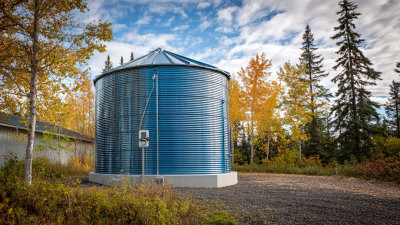
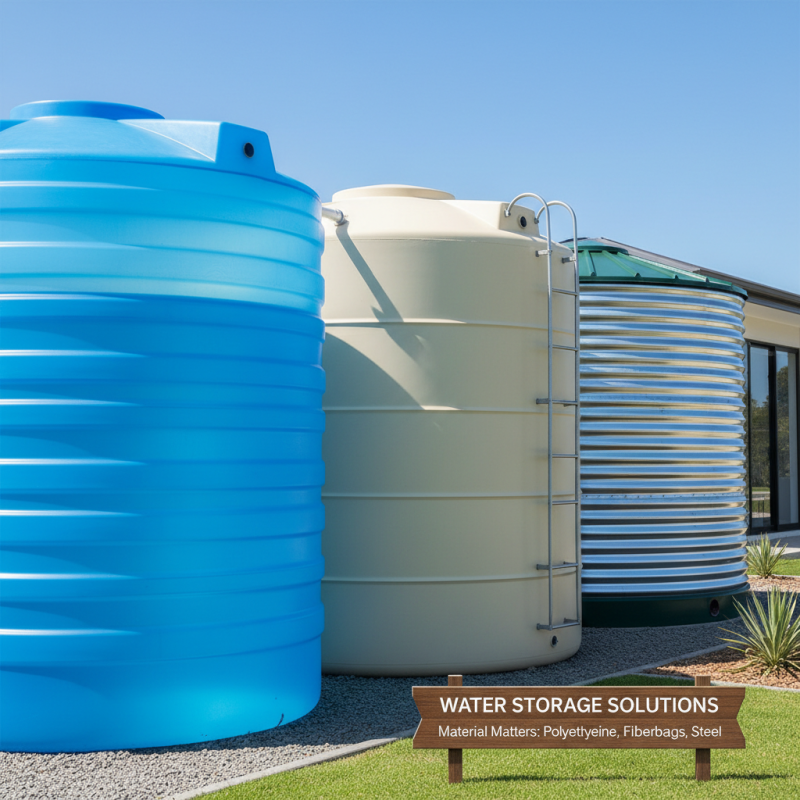
When selecting a water storage tank, several key features should be taken into account to ensure optimal usage. First and foremost, the material of the tank is crucial; options such as polyethylene, fiberglass, and steel each offer different benefits in terms of durability, maintenance, and resistance to various environmental conditions. For instance, polyethylene tanks are lightweight and resistant to corrosion, making them ideal for outdoor installations.
Another important factor is tank capacity and size. The right size will depend on your specific water needs, whether for residential, agricultural, or industrial use. Proper sizing ensures efficient water management and minimizes the frequency of refills. Additionally, consider the tank’s design and configuration; vertical tanks may save space, while horizontal tanks can be easier to transport and install. Finally, look for features such as built-in overflow protections and access ports, which can greatly enhance functionality and maintenance ease.
Detailed Review of the Top 10 Water Storage Tanks Available
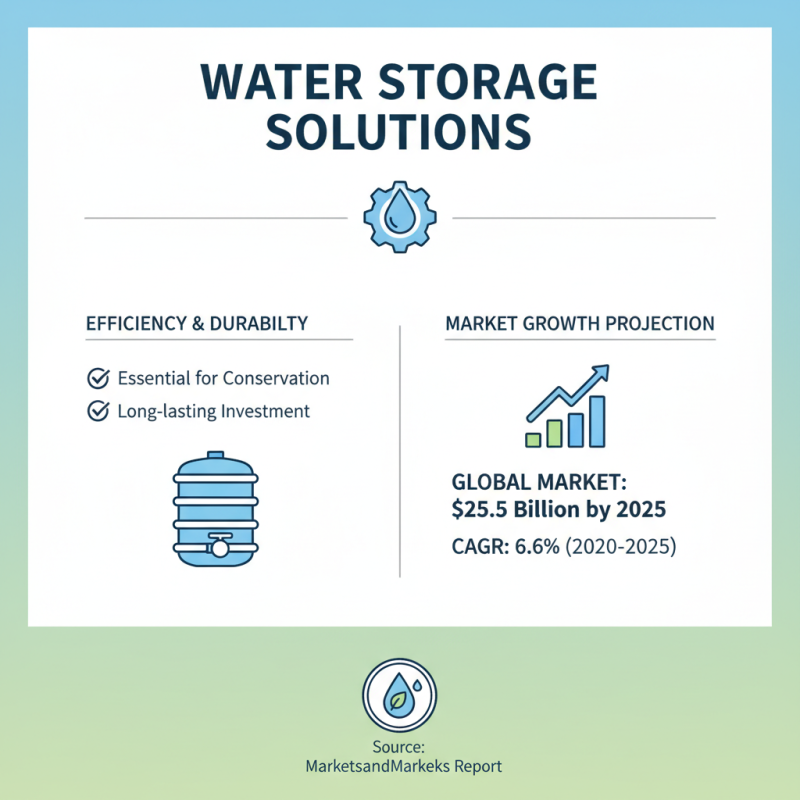
When considering water storage solutions, it is essential to select tanks that meet both efficiency and durability standards. According to a report by MarketsandMarkets, the global water storage systems market is projected to reach $25.5 billion by 2025, growing at a CAGR of 6.6%. This growth indicates an increasing awareness of water conservation and efficient usage, which underscores the importance of investing in high-quality water storage tanks.
Among the top choices for water storage, polyethylene tanks have gained significant popularity due to their lightweight nature and resistance to rust and corrosion. A study by the Water Research Foundation highlights that these tanks can effectively retain water for extended periods, making them ideal for agricultural purposes and emergency water supplies. Furthermore, fiberglass tanks are noted for their strength and long lifespan, often exceeding 30 years with proper maintenance. Their ability to withstand extreme weather conditions makes them a robust option in regions prone to harsh climates.
Additionally, the adoption of smart technology, such as sensors and monitoring systems, is revolutionizing water management practices. A report from Research and Markets shows that integrating IoT in water storage systems can lead to a 20% decrease in water loss through leaks and inefficient usage. As we delve into the detailed review of the top 10 water storage tanks, these factors—material, durability, and innovative technology—will be crucial in guiding your choice for optimal water storage solutions.
Comparative Analysis of Material Types for Water Storage Tanks
Water storage tanks play a critical role in both residential and industrial settings, and understanding the comparative advantages of different material types is essential for optimal usage. Common materials for water storage tanks include polyethylene, fiberglass, and stainless steel, each offering unique benefits. According to a report by the Water Quality Association, polyethylene tanks are particularly popular for their cost-effectiveness and resistance to corrosion and UV damage, making them ideal for outdoor installations. They are lightweight and easy to transport, with a lifespan of around 15 to 30 years depending on environmental conditions.
In contrast, fiberglass tanks provide greater durability and strength, being less susceptible to cracking or impact damage. The American Water Works Association indicates that fiberglass tanks can last upwards of 50 years when properly maintained. They are also highly resistant to temperature fluctuations, which is critical in regions with extreme weather. Finally, stainless steel tanks are favored for their premium quality and resistance to bacteria, ensuring higher water safety standards. However, they typically come with a higher upfront cost and require more complex installation processes. Understanding these material characteristics can significantly influence the selection of the right water storage tank for specific needs.
Top 10 Water Storage Tanks You Need to Know About for Optimal Usage
| Tank Type |
Material |
Capacity (Liters) |
Durability |
Cost (USD) |
UV Resistance |
| Vertical Tank |
Polyethylene |
1000 |
15 years |
200 |
High |
| Horizontal Tank |
Fiberglass |
1500 |
20 years |
350 |
Medium |
| Dome Tank |
Steel |
2000 |
30 years |
800 |
Low |
| Underground Tank |
Concrete |
5000 |
50 years |
2000 |
N/A |
| Bladder Tank |
Rubber |
800 |
10 years |
150 |
High |
| Elevated Tank |
Galvanized Steel |
3000 |
30 years |
900 |
Medium |
| Rectangular Tank |
Polypropylene |
1200 |
15 years |
250 |
High |
| Water Bladder |
PVC |
500 |
5 years |
100 |
Medium |
| Pressure Tank |
Carbon Steel |
1500 |
20 years |
600 |
Low |
| Compost Tank |
Cement |
2000 |
25 years |
500 |
N/A |
Maintenance Tips for Prolonging the Life of Water Storage Tanks
When it comes to maintaining water storage tanks, regular upkeep is essential to ensure longevity and optimal performance. According to the Water Quality Association, proper maintenance can extend the lifespan of water storage systems significantly—by as much as 50%. One fundamental practice is to inspect tanks periodically for leaks or corrosion. Keeping the tanks clean and free from sediment can prevent potential issues, especially in environments where temperatures fluctuate or during seasonal changes.
Tips for maintenance include regularly checking the tank's integrity—inspect seams and joints for wear. It's recommended to flush the tank at least once a year to remove accumulated sediment, which can adversely affect water quality. For any stagnant water or areas with potential algae growth, using a solution of vinegar and water for cleaning can be effective. Furthermore, ensure that the water is treated correctly with disinfectants to mitigate harmful bacteria, especially if the tanks are used for drinking purposes.
Additionally, monitoring environmental factors is crucial. Tanks situated outdoors may be susceptible to sediment accumulation from weather conditions. Therefore, installing a filtration system could also help maintain water quality. By following these maintenance tips, property owners can enhance the performance and lifespan of their water storage tanks, ensuring they serve their intended purpose effectively.