2026 Best Water Storage Tanks for Global Buyers Guide?
Water storage tanks are essential for various applications worldwide. They provide reliable solutions for agriculture, residential, and industrial needs. According to a recent market research report, the global water storage tank market is expected to grow significantly, with an estimated compound annual growth rate (CAGR) of 5.2% from 2021 to 2026. This trend highlights the increasing demand for efficient water management systems.
Choosing the right water storage tanks involves navigating several factors. Material type, size, and installation location are critical decisions. Steel and plastic are common materials used, each offering distinct advantages. However, potential buyers often overlook factors such as tank maintenance and environmental impact. These oversights can lead to inefficiencies and increased costs over time.
In a world facing water scarcity and climate change, the importance of selecting appropriate water storage tanks cannot be understated. Proper systems ensure sustainability and support water conservation efforts. Understanding the nuances of each tank option can lead to informed choices. This guide aims to provide insights and expert recommendations to help global buyers make effective decisions.
Top Features to Consider When Choosing Water Storage Tanks
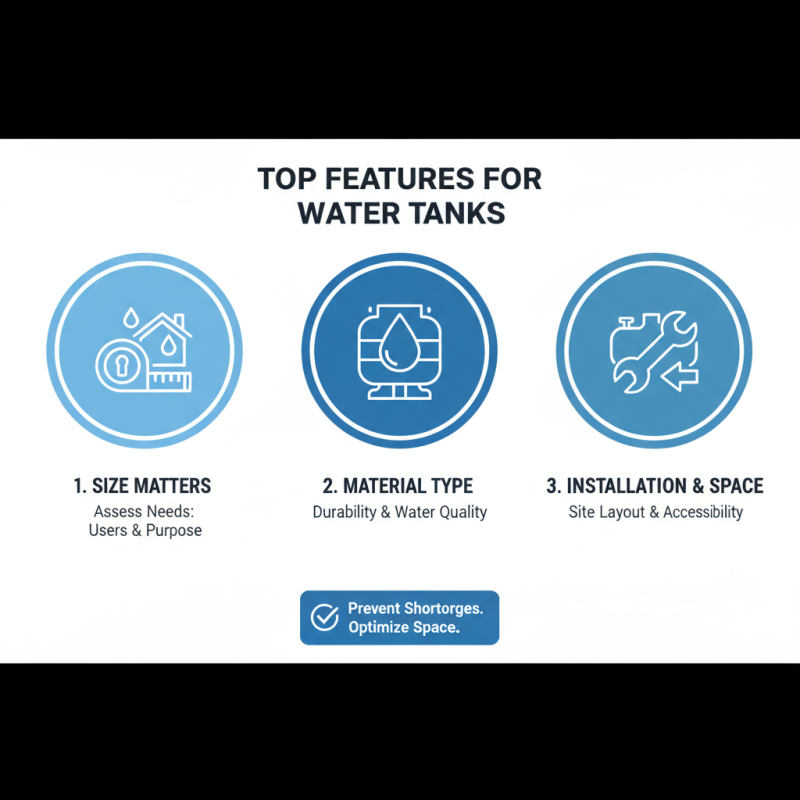
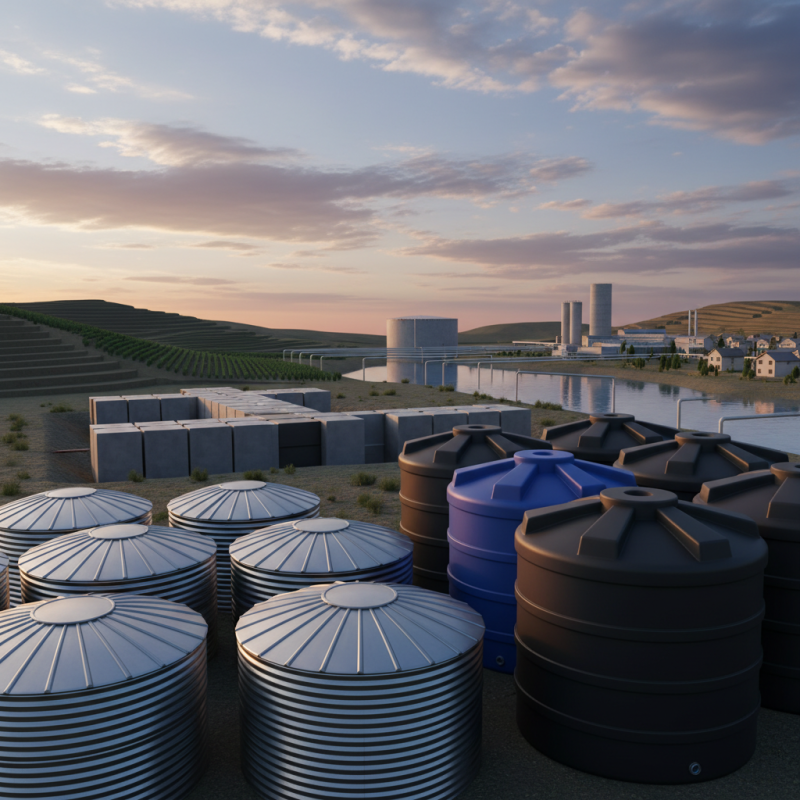
When selecting a water storage tank, several vital features must be considered. Size is one of the most critical factors. Determine your water needs based on the number of users and purpose. A tank that is too small may lead to frequent shortages. A larger tank requires more space and may impact your site’s layout.
Material choice is equally important. Tanks made from polyethylene, fiberglass, or steel offer different benefits. Polyethylene is lightweight and resistant to corrosion. Steel provides durability but may need protective coatings. Each material has its pros and cons. Think about the climate and location when making this decision.
Evaluate the tank’s accessibility for maintenance. Regular cleaning and repairs are necessary to ensure water safety. Tank design can affect access. Always consider installation requirements, including local regulations. Some tanks need specific foundations or permits. The more you understand these factors, the better your selection will be.
Types of Water Storage Tanks Available in the Market
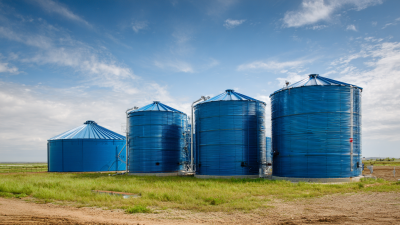
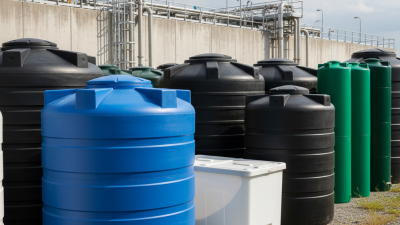
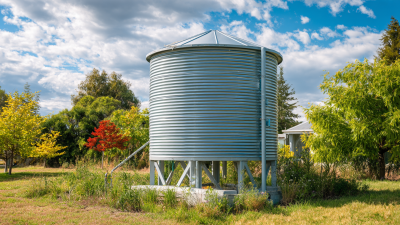
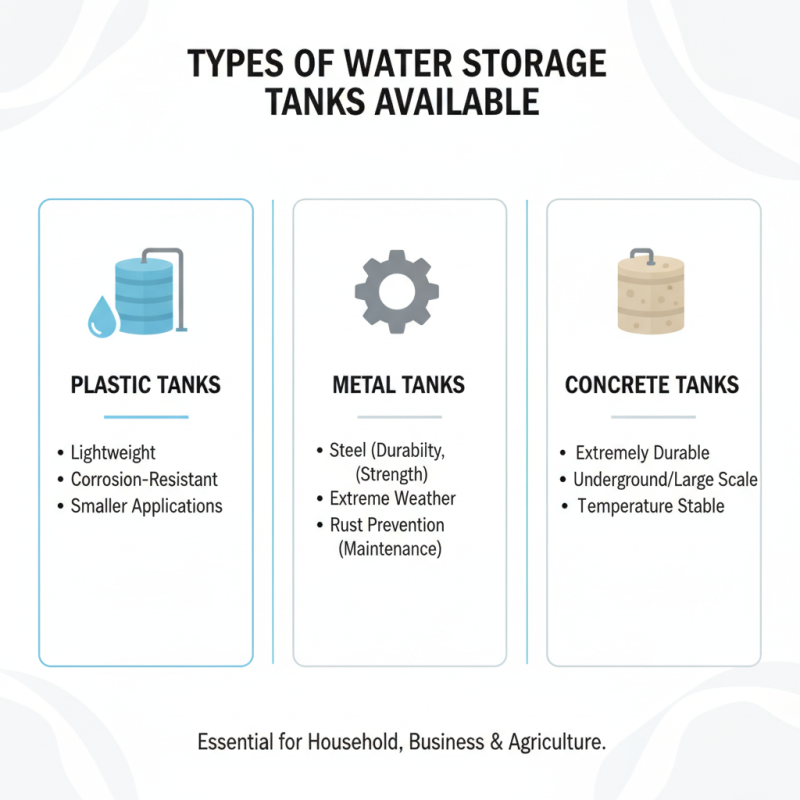
Water storage tanks come in various types, each suited for specific needs. These tanks are essential for households, businesses, and agricultural purposes. The most common types include plastic, metal, and concrete tanks. Plastic tanks are lightweight and resistant to corrosion, making them ideal for smaller applications. On the other hand, metal tanks, often made from steel, provide durability and strength. They can withstand extreme weather conditions but may require regular maintenance to prevent rust.
Concrete tanks are robust and designed for long-term use. They are perfect for larger installations, especially in agricultural settings. These tanks can endure heavy loads but involve higher installation costs. Each type has its advantages and disadvantages, like potential environmental impacts from production processes. Buyers should reflect on their actual needs and local conditions before making choices. This careful evaluation helps ensure the right fit for sustainability and safety.
Material Comparison: Best Choices for Durability and Safety
When selecting water storage tanks, materials play a crucial role in durability and safety. Plastic tanks are lightweight and resistant to corrosion. They are often a cost-effective choice for smaller applications. However, they may not withstand extreme temperatures. Over time, UV exposure can weaken plastic, leading to potential leaks.
Steel tanks provide increased strength and longevity. They can handle higher pressure and last longer than many plastic versions. Corrosion-resistant coatings are vital for these tanks. Without proper maintenance, rust can develop, affecting water quality. It's essential to regularly inspect and maintain steel tanks.
Fiberglass tanks offer excellent insulation and resistance to various chemicals. They are often a preferred choice for harsh environments. While they are more durable than plastic, initial costs can be higher. Users must consider the impact of repair needs. A crack or damage can be hard to fix, leading to costly replacements. Balancing cost with long-term reliability is vital for making the right choice.
2026 Best Water Storage Tanks for Global Buyers Guide
| Material |
Durability (Years) |
Safety Rating |
Cost (Per Gallon) |
Application |
| Polyethylene |
10-15 |
Food Safe |
$0.02 |
Residential |
| Fiberglass |
20-25 |
Non-toxic |
$0.05 |
Commercial |
| Concrete |
30-50 |
Non-toxic |
$0.03 |
Agricultural |
| Steel |
15-20 |
Food Safe |
$0.07 |
Industrial |
| Stainless Steel |
25-50 |
Food Safe |
$0.10 |
Residential & Industrial |
Installation Guidelines for Effective Water Storage Solutions
When setting up a water storage solution, proper installation is key. Start by selecting the right location for the tank. Choose a flat, stable area, away from potential contaminants. Ensure easy access for maintenance and filling. This will prevent future hassle.
Tips: Always check local regulations regarding water storage. They may impact your setup. Use a proper base, ideally a concrete slab. This will support the tank and prolong its life.
Sealing the tank properly is crucial. Use appropriate gaskets and fittings to avoid leaks. Regularly inspect for signs of wear. A neglected tank can lead to contamination. Reflection on maintenance practices can enhance your system's reliability.
When installing, consider the tank’s height. Ensure that you can fill and empty it effortlessly. This can help maintain water quality over time. Also, be mindful of airflow to avoid stagnation. Following these guidelines helps ensure effective water storage solutions.
2026 Best Water Storage Tanks Comparison
This chart compares the estimated capacity, durability, and cost-effectiveness of various water storage tank types. The data highlighted shows how different tanks perform in key areas essential for making informed purchasing decisions.
Maintenance Tips for Longevity of Water Storage Tanks
Maintaining water storage tanks is crucial for longevity. Regular inspections can prevent major issues. Research shows that nearly 30% of water tanks fail due to neglect. Keeping the tank clean helps avoid algae growth. Algae can significantly compromise water quality.
Corrosion is another major concern. Using protective coatings can extend the tank's life. Industry reports indicate that corrosion can reduce tank lifespan by up to 50%. Inspecting and replacing anodes regularly is vital. Anodes attract corrosive materials, protecting the tank structure.
Regular maintenance keeps costs down. Neglected tanks may incur expensive repairs. Data suggests that routine checks can save up to 40% in future repair costs. Always document maintenance schedules. Consistent records help identify patterns and potential problems. Understanding the tank's specific needs is key. Water quality and environmental conditions impact maintenance frequency.