Top Benefits of Modular Belt Conveyor Plastic for Global Buyers?
In the realm of modern manufacturing and logistics, the adoption of modular belt conveyor plastic stands out as a game changer. This innovative conveyor system offers numerous advantages that appeal to global buyers. Its design flexibility sets it apart, allowing businesses to tailor the system to specific operational needs. Unlike traditional conveyors, the modular approach enables easy modifications and expansions.
Moreover, the durability of modular belt conveyor plastic ensures it withstands heavy usage and harsh conditions. This material is not only resistant to wear but also to various chemicals. Buyers can rely on its longevity, saving costs in the long run.
Yet, transitioning to this technology isn't without challenges. Some companies may find the initial investment daunting or struggle with integration into existing systems. It’s essential for buyers to weigh these factors carefully. Overall, the benefits of modular belt conveyor plastic might outweigh the obstacles, reshaping how industries think about efficiency and productivity.
Understanding Modular Belt Conveyor Plastics
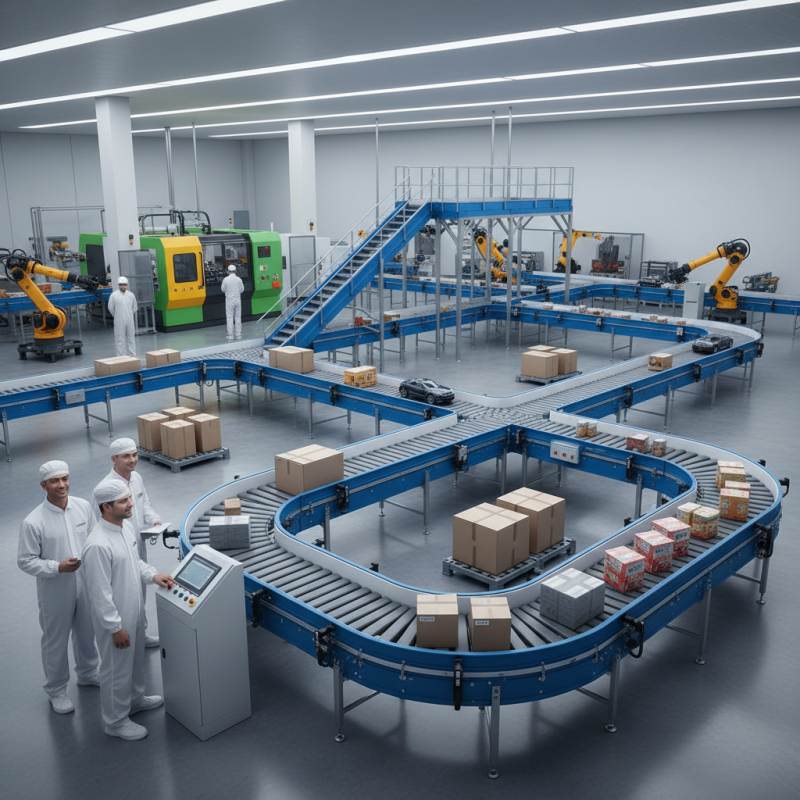
Modular belt conveyor plastics are transforming the materials handling industry. These systems offer versatility and adaptability in various environments. Their design allows for easy installation and maintenance. In today's fast-paced market, this is crucial for efficiency.
According to recent industry reports, the global modular conveyor belts market is projected to grow at a CAGR of over 5% from 2022 to 2030. This growth signals increasing reliance on modular systems. The ability to customize belts for specific applications is a key factor in this trend. Modular belts use interlocking plastic modules, making them easy to replace. This reduces downtime and enhances productivity.
However, there are challenges to consider. The initial investment in modular technology can be high. Some buyers may also worry about compatibility with existing systems. Despite these concerns, the long-term benefits often outweigh the costs. Understanding these materials' unique properties can lead to better decision-making.
Key Advantages of Using Modular Belt Conveyors
Modular belt conveyors offer significant advantages for businesses across various industries. One key benefit is their flexibility. These conveyors can be easily adjusted to accommodate different production layouts. This adaptability helps optimize workflow and improve efficiency. For manufacturers, using modular belt conveyors means reduced downtime during reconfigurations.
Another important advantage is the ease of maintenance. Modular designs allow for quick and straightforward repair or replacement of individual sections. This minimizes disruptions in operations. Furthermore, many materials used in these conveyors are resistant to wear and tear. This durability extends the lifespan of the equipment and decreases the overall costs for owners.
However, not all modular solutions fit every business need. Some companies might find the initial investment higher than expected. Additionally, while the design is versatile, customization can require specific expertise. Evaluating these factors is essential for making informed decisions. Optimizing conveyor systems is a journey, and understanding both strengths and weaknesses is vital for long-term success.
Durability and Longevity of Modular Belt Materials
Modular belt conveyors made from plastic materials are gaining attention for their durability and longevity. These belts withstand harsh conditions, including extreme temperatures and heavy loads. Their construction often includes high-quality polymers that resist wear and tear effectively. As a result, businesses find they can rely on these belts for extended periods without frequent replacements.
The durability of modular belts impacts maintenance costs significantly. Fewer breakdowns mean less downtime, leading to improved productivity. However, not all plastic materials perform equally; selecting the right type is crucial. Companies sometimes choose belts without adequate research, risking operational efficiency. They should consult experts to determine the best options for their specific applications.
Longevity in modular belts also ties into their design flexibility. These belts can adapt to varied terrains and shapes, enhancing their usability across industries. A drawback arises when users fail to consider installation and compatibility. Often, improper fitting can lead to premature wear and unexpected failures. It's essential to prioritize thorough assessments before deployment.
Top Benefits of Modular Belt Conveyor Plastic for Global Buyers
Cost-Effectiveness for Global Buyers
Modular belt conveyors made of plastic have gained popularity among global buyers, primarily due to their cost-effectiveness. According to market research, the global conveyor systems market is projected to reach $8 billion by 2025, with modular conveyors accounting for a significant portion. This rise is largely attributed to their versatility and lower maintenance costs. In fact, studies indicate that businesses can reduce operational expenses by up to 30% when using modular belt systems compared to traditional conveyor systems.
One major cost-saving factor is their easy assembly and disassembly. This feature allows companies to reconfigure systems as needed without significant downtime. Additionally, plastic materials used in these conveyors are often more affordable than metal options. They also offer enhanced durability, leading to fewer replacements and repairs. Reports suggest that facilities using modular plastic conveyors have experienced up to a 20% decrease in wear-and-tear costs. However, some users have noted that initial investment can still be high, prompting a need for careful cost-benefit analysis.
Moreover, while modular belts are efficient, they require consistent inspections to maintain performance. Buyers should understand that neglecting maintenance can lead to higher long-term costs. A recent survey highlighted that 15% of users encountered problems due to inadequate upkeep. This fact emphasizes the need for reliable practices to sustain the advantages modular plastic conveyors offer, ensuring they remain a worthwhile investment for any operation.
Top Benefits of Modular Belt Conveyor Plastic for Global Buyers
| Benefit | Description | Cost-Effectiveness | Sustainability |
| Durability | Modular belt conveyors are made from high-quality plastic that resists wear and tear. | Reduced maintenance and replacement costs due to longevity. | Plastic belts can be recycled at the end of their lifecycle. |
| Versatility | Suitable for a wide range of applications across various industries. | Reduced need for multiple conveyor systems saves investment costs. | Compatible with eco-friendly practices in material handling. |
| Ease of Maintenance | Simple to clean and maintain, promoting operational efficiency. | Lower downtime leads to increased productivity and cost savings. | Less frequent replacement reduces waste and environmental impact. |
| Customizability | Can be tailored to meet specific operational needs and layouts. | Enhanced efficiency leads to optimized resource use and cost savings. | Supports the development of more sustainable production processes. |
| Lightweight | Easier to install and reposition compared to traditional conveyors. | Lower shipping and handling costs due to reduced weight. | Encourages the use of less energy during transportation. |
Versatility and Customization in Conveyor Design
Modular belt conveyors made from plastic offer incredible versatility. They can be tailored to fit various industries, from food processing to packaging. Manufacturers can easily adjust the size, shape, and configuration of these conveyors. This adaptability ensures that they meet specific operational needs.
Customization stands out as a significant benefit. Buyers can select different belt materials, colors, and designs. For instance, some may need a slip-resistant surface. Others might require belts that can withstand high temperatures. Such options allow businesses to optimize their production processes effectively.
However, creating a perfect design can be challenging. It may take time to identify the right specifications. Some companies might rush this process, leading to less effective solutions. Finding the balance between customization and efficiency requires reflection. Continuous feedback from users can lead to improved designs. Investing time in thoughtful customization pays off in the long run.