Top 10 Benefits of Plastic Injection Molding Techniques?
Plastic injection molding has become a vital manufacturing process in today's economy. According to the Plastics Industry Association, the market for plastic products is projected to reach $750 billion by 2025. This growth is driven by the efficiency and versatility of plastic injection molding techniques. Many industries rely on these methods for high-quality production.
John Smith, a noted expert in plastic manufacturing, states, "Plastic injection molding empowers companies to innovate and produce at an unprecedented scale." This statement highlights the transformational impact of this technique on manufacturing. It allows for complex designs and precise dimensions, which are essential in sectors such as automotive, consumer goods, and healthcare.
However, challenges remain. Companies must navigate material costs and waste management. Innovations are needed to reduce environmental impacts. Despite these hurdles, the benefits of plastic injection molding, including speed and low labor costs, position it as a leader in modern manufacturing. The industry continues to evolve, encouraging a closer look at these ten benefits and their implications for the future.
Key Advantages of Plastic Injection Molding in Manufacturing
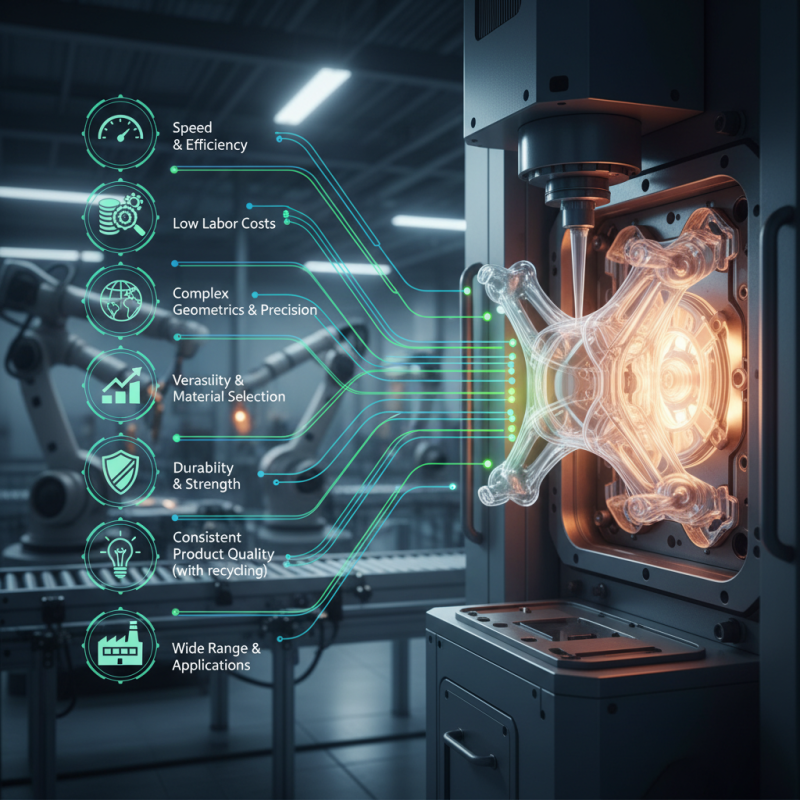
Plastic injection molding is a game-changer in manufacturing. This technique allows for the rapid production of complex shapes with high precision. According to a study by Grand View Research, the global plastic injection molding market is expected to reach $370.45 billion by 2027. The efficiency of this method can lead to reduced labor costs and shorter lead times.
One key advantage is material versatility. Manufacturers can choose from a wide array of plastics, each suited for different applications. Data from Research and Markets reveals that the automotive sector alone accounted for over 30% of the market share in 2022. However, the industry faces challenges like environmental impacts and recycling issues. Some plastics are difficult to recycle, leading to waste concerns.
Moreover, the process allows for mass production with minimal waste. The precision of molding means less excess material and fewer defects. Yet, the initial setup costs can be high. This reality may deter some manufacturers. Balancing quality and cost remains a significant consideration. As technology advances, we might see solutions to these challenges, helping improve sustainability in the sector.
Enhanced Design Flexibility with Injection Molding Techniques
Plastic injection molding offers remarkable design flexibility. Designers can create intricate shapes and structures that were previously challenging. The process allows for various textures and finishes to be applied, enhancing the visual appeal of products. With multiple materials available, the creative possibilities are virtually limitless.
This technique enables rapid prototyping. It is easy to tweak designs based on functionality. However, the challenge lies in balancing complexity and manufacturability. Sometimes, a design that looks great on paper can be difficult to produce. It’s essential to work closely with engineers to find the right solutions.
Moreover, injection molding can support small to large production runs. This adaptability is a huge plus for businesses. Yet, unforeseen issues may arise during scaling up production. Constant attention to detail is crucial. Monitoring the process ensures that the final product meets quality standards. Embracing this flexibility can lead to innovative designs, but it's important to keep refining the process.
Cost Efficiency of Mass Production Using Injection Molding
Plastic injection molding stands out for its cost efficiency in mass production. According to industry reports, companies can reduce production costs by 30% to 50% compared to traditional manufacturing methods. This effective process allows for high-volume production with low per-unit costs. The key lies in the quick cycle times. Many molds can create hundreds of parts in a single hour, significantly boosting output.
However, the initial investment in machinery and molds can be substantial. High-quality molds may cost thousands of dollars. For smaller projects, this upfront expense may seem daunting. Yet, the long-term savings often justify the costs when production ramps up. It’s crucial for businesses to assess their production needs carefully before diving in. Without a clear strategy, costs could spiral.
Additionally, while plastic injection molding minimizes waste during production, not all designs facilitate this efficiency. Poorly designed parts may require additional materials or complex setups, leading to increased expenses. Engineers need to prioritize design optimization. Balancing production goals with design challenges is key to achieving maximum efficiency in mass production.
Top 10 Benefits of Plastic Injection Molding Techniques
Improved Material Utilization and Waste Reduction
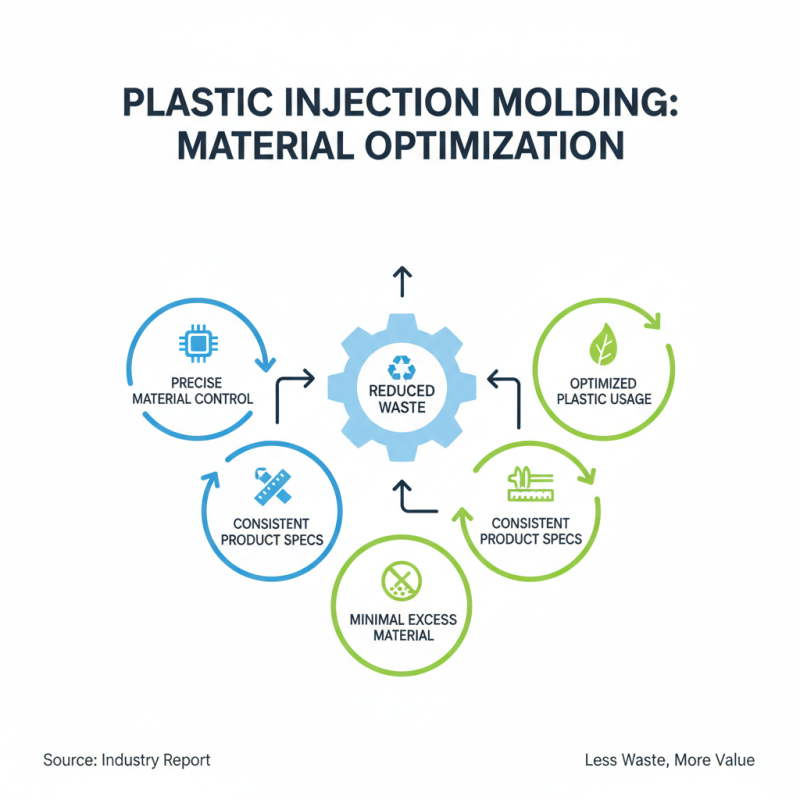
Plastic injection molding techniques offer significant advantages, particularly in material utilization. This method allows for precise control over the material flow. Manufacturers can reduce waste by optimizing the amount of plastic used. Each cycle produces items that closely match desired specifications. Thus, excess material is minimized.
Another notable aspect is the efficiency of mass production. High-speed cycles enable more units to be created in less time. However, it's crucial to monitor the process to avoid over-processing. Some manufacturers find themselves using more material than necessary. Recycling and reusing scraps can further enhance sustainability efforts.
Yet, challenges exist. Not all designs are ideal for injection molding. Some intricate shapes may lead to higher waste. It's essential to weigh the costs of design alterations against potential material savings. Continued reflection on these processes helps improve overall efficiency. In the end, thoughtful application of these techniques can lead to remarkable waste reduction.
High Precision and Consistency in Production Processes
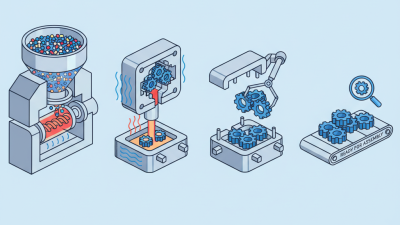
Plastic injection molding is a game-changer in manufacturing. It ensures high precision and consistency. The process involves shaping molten plastic into specific forms using molds. This technique significantly reduces errors in production. Components often fit together seamlessly, which enhances product quality.
In many cases, the molds can be reused for thousands of cycles. This not only cuts down on waste but also ensures uniformity in parts. However, designing the molds can be complex and costly. Manufacturing teams must focus on the details to avoid problems. Small variations might lead to major issues down the line.
Consistency is key in production processes. It allows companies to maintain quality across multiple runs. Yet, achieving perfect consistency is challenging. Variables like temperature and time can affect outcomes. Continuous monitoring is critical to address these fluctuations. Even a minor mistake can result in defective products, which requires careful reassessment of techniques.
Top 10 Benefits of Plastic Injection Molding Techniques
| Benefit |
Description |
| High Precision |
Injection molding allows for tight tolerances and high precision in producing complex parts. |
| Consistency |
Each part produced is nearly identical, ensuring uniformity across production runs. |
| Cost Efficiency |
Once the molds are created, the cost per part decreases significantly for large volumes. |
| Material Versatility |
Injection molding can process a variety of plastic materials, including thermoplastics and thermosetting plastics. |
| Speed of Production |
The injection molding process is fast, allowing for high production rates. |
| Low Waste |
This process minimizes scrap material as excess plastic can often be recycled and reused. |
| Complex Geometries |
Molding can create intricate shapes and designs not achievable with other manufacturing methods. |
| Reduced Labor Costs |
The automation of the injection molding process reduces the need for manual intervention. |
| Scalability |
The process is easily scalable to accommodate both small and large production volumes. |
| Enhanced Mechanical Properties |
Parts produced are generally strong and durable, suitable for a wide range of applications. |