Top Benefits of Plastic Water Tanks for Your Home?
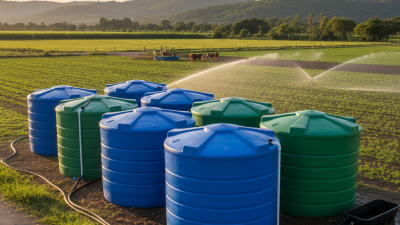
Plastic water tanks offer a range of benefits for homeowners. These tanks are not only durable but are also lightweight and easy to install. Many people overlook the importance of having a reliable water storage solution at home. In times of drought or emergency, plastic water tanks can be a lifesaver.
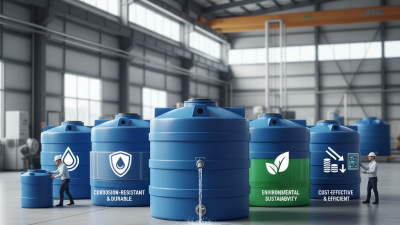
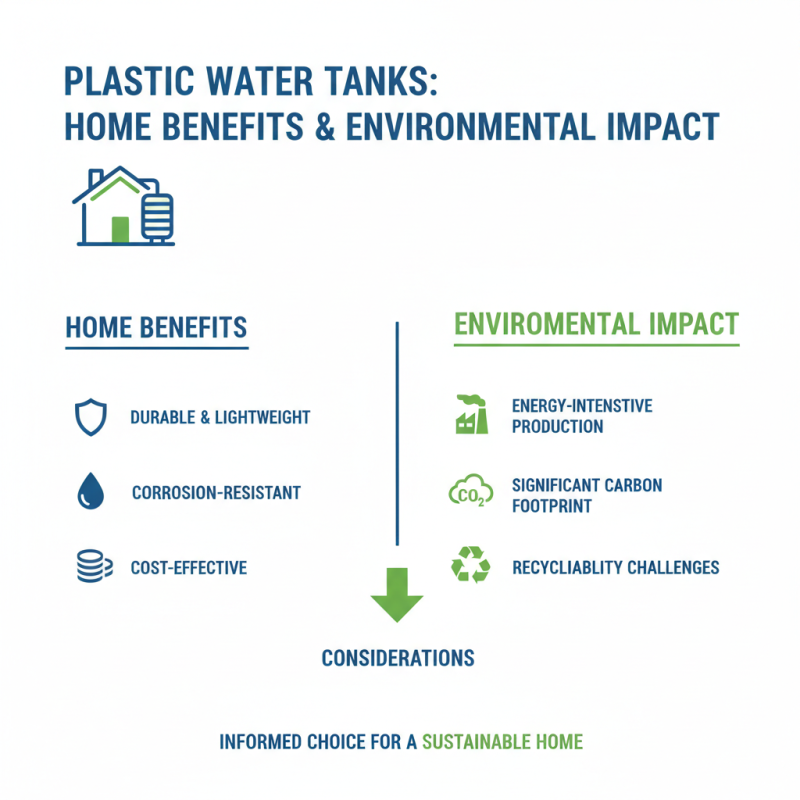
These tanks are resistant to corrosion and are less likely to crack compared to metal options. Their affordability makes them an attractive choice for many families. Despite their advantages, some still hesitate to use plastic water tanks. Concerns about safety and environmental impact arise. It’s crucial to consider these factors when making a decision.
In conclusion, plastic water tanks can significantly enhance your home's water management system. They provide a practical solution for both everyday use and emergencies. With proper care and maintenance, they can serve you well for many years. However, awareness of potential drawbacks is essential for informed choices.
Advantages of Plastic Water Tanks for Residential Use
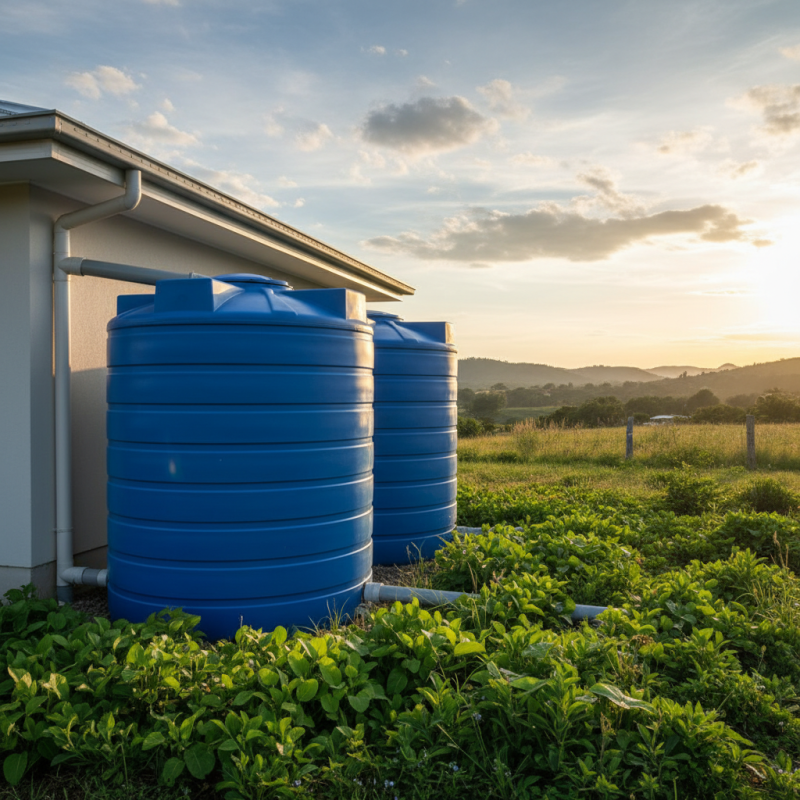
Plastic water tanks offer numerous advantages for residential use. They are lightweight and easy to install. This makes them manageable for home improvement projects. Unlike traditional tanks, plastic models resist corrosion and rust. This durability extends their lifespan, providing a long-term water storage solution.
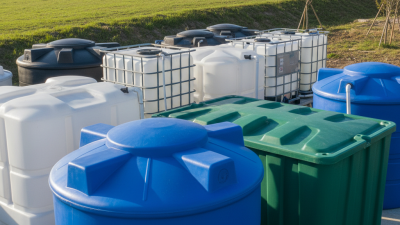
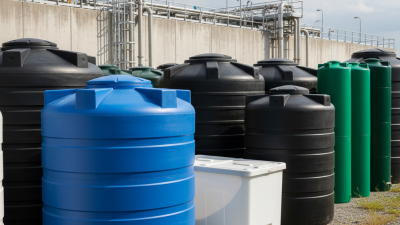
Their flexibility is noteworthy. Plastic tanks can be shaped into various sizes, fitting snugly into limited spaces. However, it’s essential to choose a model that meets local regulations. Some homeowners overlook this aspect, which can create issues later. Additionally, plastic tanks often come in a range of colors, which can blend seamlessly with your yard.
Despite their benefits, there are downsides. The potential for UV degradation exists if exposed to sunlight for long periods. Homeowners need to be aware of effective installation methods to mitigate this risk. Regular maintenance checks can help ensure their functionality over time. Reflecting on these factors can help you make a better choice for your home.
Durability and Longevity of Plastic Water Tanks
Plastic water tanks have gained popularity in residential use, primarily due to their durability and longevity. Research indicates that they can last over 30 years when properly maintained. Unlike metal tanks, they resist corrosion, which significantly enhances their lifespan. They stand up well in various weather conditions. In some cases, plastic tanks can withstand extreme temperatures without cracking or degrading.
Maintenance is crucial for extending a tank's life. Regular cleaning prevents algae growth and sediment buildup. While plastic tanks generally require less upkeep than metal ones, they are not entirely maintenance-free. Additionally, improper installation can lead to issues like leaks. Therefore, choosing the right location and making sure the foundation is stable are key steps in ensuring longevity.
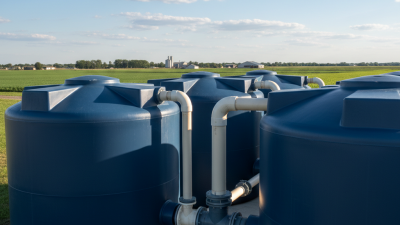
Interestingly, plastic tanks are often lighter than their metal counterparts. This makes installation easier, but it also raises concerns about proper securing. Wind or heavy rain can destabilize improperly anchored tanks. Users need to weigh these factors against the benefits of flexibility that plastic offers. Ultimately, while they provide significant advantages, attention to detail is essential for the best results.
Cost-Effectiveness of Installing Plastic Water Tanks
Plastic water tanks are gaining popularity in residential settings. One of the biggest advantages is their cost-effectiveness. These tanks are often cheaper to purchase and install compared to traditional materials. A homeowner can easily find a tank that fits their budget. Installation is generally straightforward, requiring fewer tools and less labor.
Maintenance costs can also be lower. Unlike metal tanks, plastic tanks resist rust and corrosion. This durability means fewer repairs over time. However, they can be prone to UV damage. Proper placement away from direct sunlight may be necessary. This is a small adjustment but worth considering.
Overall, the long-term savings from using plastic water tanks can be significant. They are easy to clean and maintain, ensuring that water quality remains high. Investing in a plastic water tank not only saves money but also contributes to sustainable living. Just make sure to weigh the pros and cons before purchasing.
Maintenance and Cleaning Considerations for Plastic Tanks
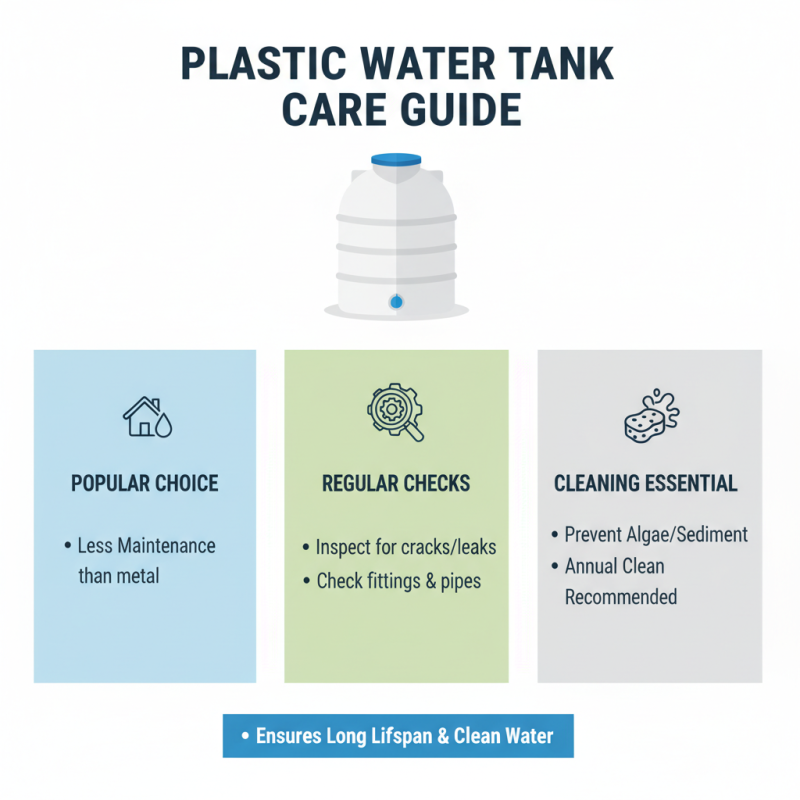
Plastic water tanks are a popular choice for many homeowners. They require less maintenance compared to metal tanks. However, they still need regular checks to ensure they remain in good condition. Cleaning is essential to avoid any buildup of algae or sediment.
To maintain your tank, start by inspecting it regularly. Look for signs of wear or damage. It's easy to forget about this step, but it's crucial. A cracked tank can lead to leaks and larger issues. When it comes to cleaning, use a simple solution of vinegar and water. This mix can help combat any odors or slime buildup.
Tip: Always drain the tank before cleaning. This allows you to reach every corner. Scrubbing the interior walls is key. Don’t rush this process. When re-filling, let the water sit for a bit. This helps ensure that any residue is broken down. Regular maintenance ensures your plastic tank lasts longer and remains efficient.