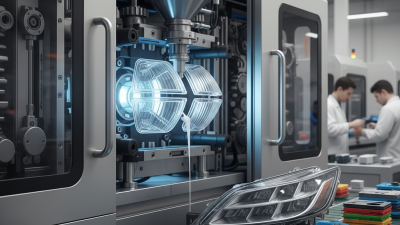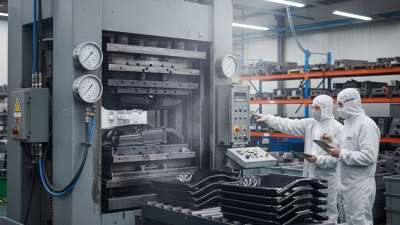
Choosing injection molding materials in 2026 is less about finding one “best” resin and more about matching a material to its job. A clear food-container lid, a tough automotive bracket, and a heat-resistant electrical housing need different properties. Small details matter.
The market’s scale makes these choices consequential. Grand View Research’s Injection Molded Plastics Market report estimated global revenue at about US$331 billion in 2023, with continued growth forecast through 2030. This is a market estimate, not a measure of resin performance, and report boundaries can differ. PlasticsEurope’s Plastics – the Fast Facts 2024 reported 413.8 million tonnes of plastics production worldwide in 2023. That broader figure includes many processes, not injection molding alone. Still, it shows why material efficiency and end-of-life planning deserve attention.
This guide compares common injection molding materials, including polypropylene, ABS, polycarbonate, nylon, and engineering-grade options. It considers strength, impact resistance, temperature tolerance, chemical exposure, surface finish, cost, and processability. Nylon may handle heat and wear, yet absorb moisture and change dimensions. Polycarbonate can resist impact, but it can scratch easily. There is no universal winner. Supplier grades, wall thickness, tooling, and service conditions can change the result. Start with the part’s real operating environment, then check current datasheets and relevant test standards. Some decisions still involve compromise. That is worth stating plainly.
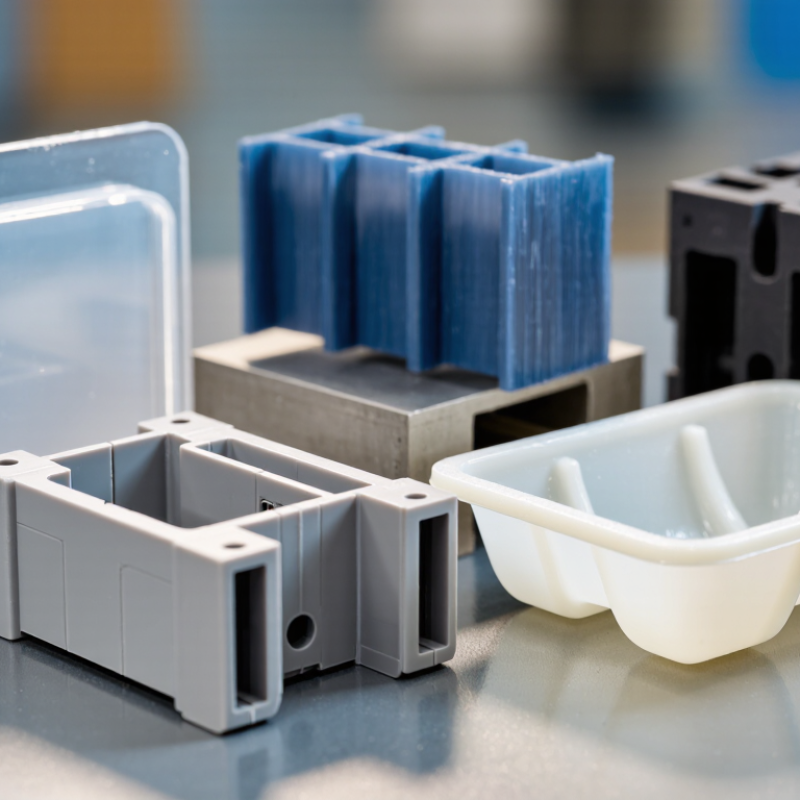
Injection molding materials are commonly classified by how they respond to heat. Thermoplastics soften when heated and harden again as they cool. This makes them widely used for repeatable production. Polypropylene, ABS, and polycarbonate are familiar examples, each with different strength, flexibility, and temperature limits.
Thermosets behave differently. Heat triggers a chemical change that permanently sets the material, so reheating will not simply soften it again. Some molding processes handle thermosetting compounds, but they require distinct tooling and process controls. Elastomers form another useful group. They can stretch and recover, which suits seals, grips, and flexible components. That matters.
Materials are also grouped by performance level, such as commodity, engineering, and high-performance polymers. These labels give a quick guide, not a complete specification. Within thermoplastics, structure matters too: amorphous grades often offer consistent appearance, while semi-crystalline grades can provide useful chemical resistance and wear properties. The trade-offs are real. A material that looks ideal on a data sheet may warp around a thin rib or show a rough mark near a gate. Classification narrows the choices; part geometry, operating conditions, and trial molding help confirm them. This taxonomy is useful, but never perfect.
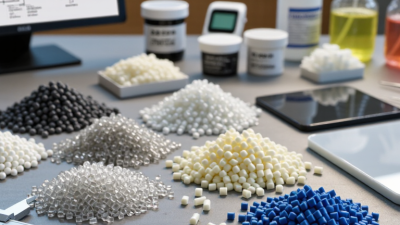
Choosing an injection-molding material starts with the part’s working conditions, not a resin popularity list. Check heat, load, impact, chemicals, moisture, and sunlight exposure. Then compare those demands with tensile strength, stiffness, impact resistance, heat-deflection temperature, and shrinkage data. A stiff sample can still fail at a sharp corner. Details matter.
Moisture deserves special attention. Polyamide absorbs water, which can change dimensions and stiffness; compare dry and conditioned values rather than relying on one datasheet number. ASTM D570 provides a standard method for measuring water absorption. For hot parts, compare heat-deflection temperature under the stated test load, not just melting point. Those are different measures. Published grade data also show why “stronger” is not always better: typical unfilled polypropylene tensile modulus is roughly 1.2–1.7 GPa, while unfilled polycarbonate is often around 2.0–2.4 GPa. These representative ranges vary by grade and test method, so verify supplier data before tooling.
Production realities belong in the choice, too. Melt flow affects how material fills thin ribs and long channels; shrinkage influences fit, warpage, and mold dimensions. PlasticsEurope’s 2024 Fast Facts report estimates global plastics production at 413.8 million tonnes in 2023, underscoring the wide material landscape—not proving any one resin is best. I would test a molded prototype under real temperature and load. It may expose a trade-off the spreadsheet missed.
The best injection molding material in 2026 depends on the part’s job, not a yearly trend. Polypropylene suits lightweight, moisture-resistant components such as clips and containers. ABS offers a useful balance of toughness and surface finish for everyday housings. For parts exposed to heat or impact, polycarbonate may be a better fit, though it can cost more and show scratches.
For moving components, nylon and acetal can provide strength and wear resistance. Nylon absorbs moisture, however, so dimensions may shift between dry storage and humid use. That detail is easy to overlook. Material choice should also account for wall thickness, expected load, operating temperature, and the mold’s design. Recycled or bio-based resins may reduce reliance on virgin feedstock, but their flow and consistency need testing in the intended process.
Tips: Compare supplier data sheets, then mold sample parts under realistic conditions. Check fit, finish, shrinkage, and performance after exposure to heat or moisture. A small trial can reveal problems that a material chart cannot. If tolerances are tight, measure parts after conditioning, not just straight from the mold.
| Material | Typical Melt Temperature | Typical Density | Typical Tensile Strength | Key Advantages | Limitations | Common Applications | Best Fit |
|---|---|---|---|---|---|---|---|
| Polypropylene (PP) | 200–280°C | 0.90–0.91 g/cm³ | 25–40 MPa | Lightweight, good chemical resistance, fatigue resistance, and generally low material cost. | Can shrink or warp; limited stiffness and performance at elevated temperatures. | Living hinges, caps, containers, household components, and automotive trim. | Cost-conscious, lightweight parts that need chemical resistance or repeated flexing. |
| Acrylonitrile Butadiene Styrene (ABS) | 220–260°C | 1.03–1.07 g/cm³ | 35–50 MPa | Good balance of impact resistance, stiffness, surface finish, and dimensional stability. | Limited resistance to some solvents and ultraviolet exposure; not suited to high heat. | Enclosures, appliance housings, consumer products, and interior components. | General-purpose parts requiring a good finish and a balance of toughness and rigidity. |
| Polycarbonate (PC) | 280–320°C | 1.19–1.22 g/cm³ | 55–75 MPa | High impact strength, transparency, and better heat resistance than many commodity plastics. | Moisture-sensitive during processing; can scratch and may be affected by certain chemicals. | Transparent covers, protective equipment, lighting components, and durable housings. | Clear or impact-resistant parts that need greater toughness and heat performance. |
| Polyamide 6 (PA6, Nylon 6) | 230–290°C | 1.12–1.14 g/cm³ | 60–85 MPa when dry | Good strength, wear resistance, and toughness; suitable for many mechanically loaded parts. | Absorbs moisture, which can change dimensions and reduce stiffness; drying is important before molding. | Gears, clips, fasteners, housings, and mechanical components. | Durable, load-bearing parts where wear resistance matters. |
| Polyamide 66 (PA66, Nylon 66) | 260–300°C | 1.13–1.15 g/cm³ | 70–90 MPa when dry | High strength and stiffness, with good wear and heat performance in suitable grades. | Moisture absorption affects dimensions and properties; typically needs higher processing temperatures than PA6. | Electrical connectors, under-hood components, fasteners, and structural parts. | Strength- and heat-demanding engineering parts, subject to moisture considerations. |
| Acetal (POM) | 190–220°C | 1.39–1.43 g/cm³ | 60–75 MPa | Low friction, good dimensional stability, fatigue resistance, and wear performance. | Limited resistance to strong acids and oxidizing agents; requires careful processing controls. | Gears, bearings, pump parts, latches, and precision mechanisms. | Moving parts that need low friction, wear resistance, and consistent dimensions. |
| Polybutylene Terephthalate (PBT) | 240–270°C | 1.30–1.32 g/cm³ | 50–70 MPa | Good electrical properties, dimensional stability, and chemical resistance. | Unreinforced grades can be less impact-resistant; moisture and processing conditions affect performance. | Electrical connectors, switches, sensor housings, and appliance components. | Electrical and precision parts needing stable dimensions and chemical resistance. |
| High-Density Polyethylene (HDPE) | 180–260°C | 0.94–0.97 g/cm³ | 20–35 MPa | Low density, strong chemical resistance, and good impact performance in many grades. | Lower stiffness and heat resistance; shrinkage can complicate dimensional control. | Containers, closures, utility components, and chemical-resistant parts. | Lightweight parts exposed to moisture or many common chemicals. |
| Thermoplastic Polyurethane (TPU) | 190–230°C | 1.10–1.25 g/cm³ | 20–50 MPa, depending on hardness | Flexible, abrasion-resistant, and available in a wide range of hardness grades. | Properties vary substantially by grade; moisture control and mold design are important. | Seals, grips, wheels, protective covers, and flexible housings. | Parts needing rubber-like flexibility, cushioning, or abrasion resistance. |
Values are representative ranges for unfilled, general-purpose grades and are not guaranteed specifications. Actual properties and recommended processing conditions vary by grade, additives, moisture content, part geometry, and test method. Confirm selections with the material supplier and validate them under the intended operating conditions.
Polypropylene suits living hinges, storage containers, and parts exposed to moisture. It is light, chemically resistant, and usually economical, but it can feel less rigid than ABS. A thin hinge may flex thousands of times; a poorly designed one may whiten or crack. Details matter.
ABS is common in appliance housings and control panels, where impact resistance and a smooth finish are useful. Polycarbonate handles clearer, tougher components, such as protective covers, but scratches more easily and needs careful processing. For gears and sliding parts, acetal offers low friction and dimensional stability. Nylon is strong for clips and load-bearing components, though it can absorb moisture and change size. That surprise can complicate tight fits.
Material choice depends on the real environment, not just a datasheet. A nylon bracket near a warm, humid motor may behave differently from one tested dry at room temperature. High-performance polymers such as PEEK can tolerate demanding heat and chemicals, but their cost and processing requirements rarely make sense for ordinary housings. There is no universal winner. Designers should check load, temperature, moisture, finish, and expected production volume, then validate the part with testing. A neat comparison table helps, but it cannot replace a molded sample.
Choose an injection-molding material by translating the part’s job into measurable requirements. What loads will it carry, and for how long? A snap-fit clip may need fatigue resistance, while a gear may need wear resistance and dimensional stability. Thin ribs and long flow paths also favor materials that fill reliably. Start with the part, not the resin.
Temperature and surroundings narrow the options. Polypropylene is lightweight and chemically resistant, but it can creep under sustained load. ABS offers impact strength and a good surface finish, yet heat exposure may rule it out. Nylon suits many wear-loaded parts, though moisture absorption can change dimensions. Polycarbonate handles impact and heat well, but may cost more and be sensitive to certain chemicals. These are starting points, not guarantees.
Check the actual grade’s data sheet, not just the generic material name. A resin that performs well in a thick test bar may warp in a thin, uneven housing. Specify operating temperature, peak load, chemical contact, appearance, and target life. Then review shrinkage, drying needs, and cycle time with the molder. If failure is costly, test a small pilot batch under realistic conditions. Test it. Colorants and recycled content can also shift performance, so verify the specification before finalizing the design. No resin is perfect; the first choice may need another round.