Best Plastic Tanks for Every Use in 2026 What to Choose?
Choosing the right plastic tanks can significantly impact your efficiency and functionality in various applications. In 2026, the market is brimming with options. With so many products available, it can be overwhelming to decide what best fits your needs. Plastic tanks come in various shapes and sizes, catering to diverse uses.
From water storage to chemical containment, these tanks provide durable solutions. Each tank has its unique features, such as UV resistance and temperature tolerance. However, finding the optimal tank isn’t always straightforward. Some tanks may crack under pressure or degrade under sunlight. It’s essential to assess these aspects.
In this guide, we will explore multiple types of plastic tanks, highlighting their merits and drawbacks. As you read, consider how your needs align with these choices. The right tank may enhance your operations, but the wrong selection may lead to issues. Stay informed and choose wisely!
Top Considerations When Choosing Plastic Tanks for Different Applications
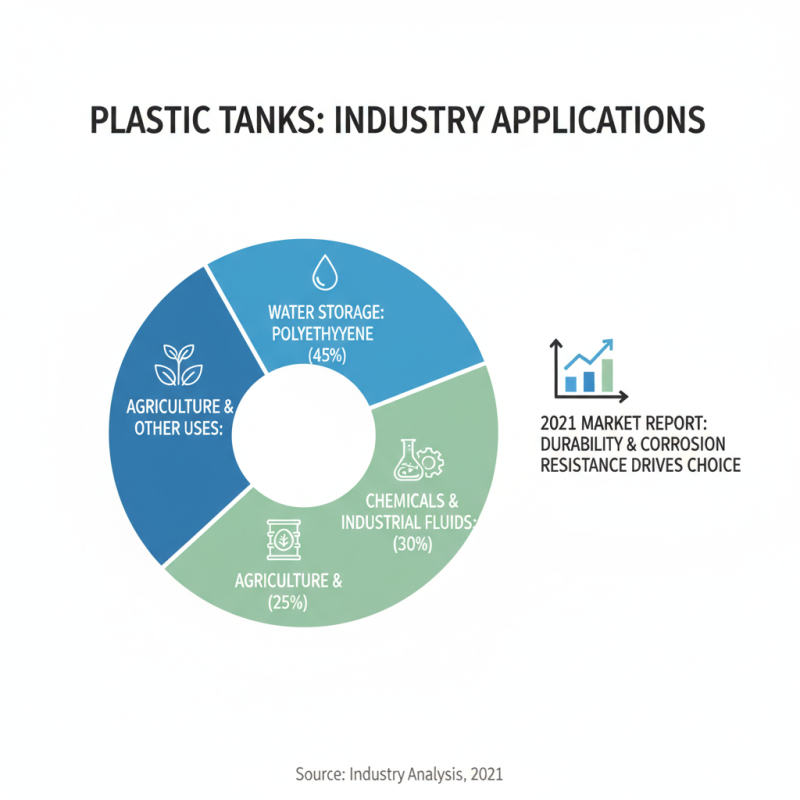
When selecting plastic tanks, consider the specific application. Various industries utilize these tanks in unique ways. For water storage, polyethylene tanks are a common choice. According to a 2021 market report, polyethylene tanks account for 45% of the sector due to their durability and resistance to corrosion.
Another vital consideration is tank size. Smaller tanks may suffice for residential use. However, larger capacities are essential for industrial operations. A 2022 study indicated that companies prefer tanks with a minimum capacity of 500 gallons for efficient operations. These larger tanks can accommodate higher liquid volumes while minimizing the number of refills needed.
Compatibility with stored materials is crucial. Tanks must resist the chemical properties of their contents. A survey highlighted that 67% of operational failures arise from material incompatibility. Regular inspections can help identify potential issues. Even the most robust tank can fail if not properly maintained. Selecting the right plastic tank requires thoughtful assessment of these pivotal factors.
Types of Plastic Tanks: Overview of Options Available in 2026
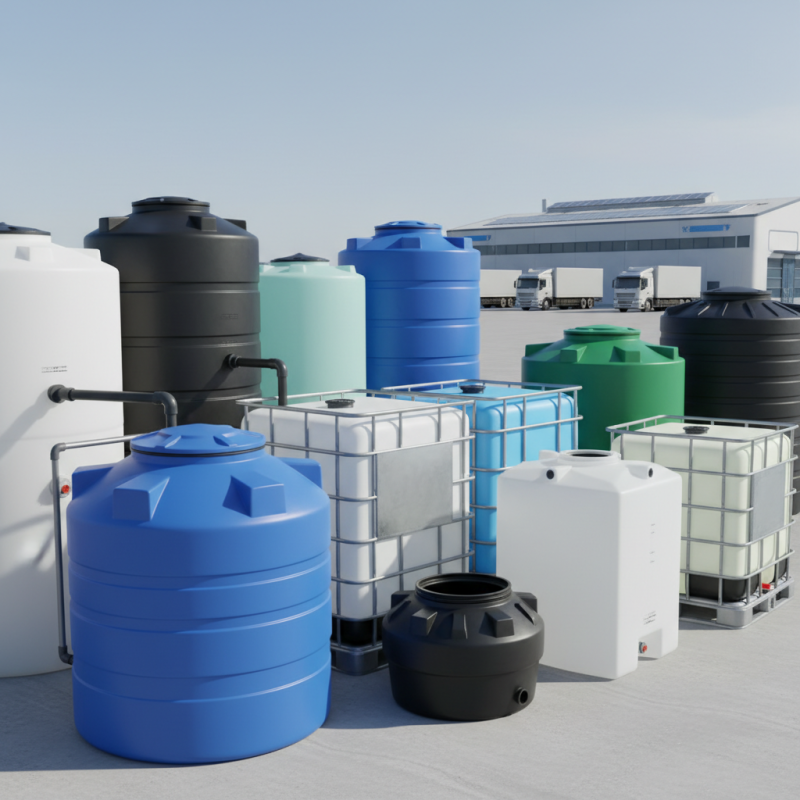
In 2026, the variety of plastic tanks available caters to diverse needs. Users can find tanks designed for water storage, chemicals, and even waste. According to industry reports, the demand for high-density polyethylene (HDPE) tanks has surged by 15% over the past year. This growth highlights their popularity due to durability and chemical resistance.
There are multiple types of plastic tanks to consider. For agricultural use, vertical tanks are a common choice. These tanks efficiently store liquids and occupy minimal space. Horizontal tanks, however, are often preferred for larger volumes. They can be used for both residential and industrial purposes. Some reports indicate that rotationally molded tanks offer superior strength and design flexibility.
Despite the advantages, these tanks can face challenges. Environmental concerns about plastic longevity and potential chemical leaching remain significant. A recent study noted that approximately 30% of users experienced degradation over time. There is a growing need for ongoing analysis and improvement in tank materials. Users must evaluate their needs carefully, ensuring they choose the right type for their specific requirements. Selecting a tank may seem straightforward, but small details can make a big difference in performance and safety.
Best Plastic Tanks for Every Use in 2026
This bar chart represents the popularity of different types of plastic tanks based on their usage in 2026. The data reflects consumer preferences in various industries.
Key Features to Look for in High-Quality Plastic Tanks
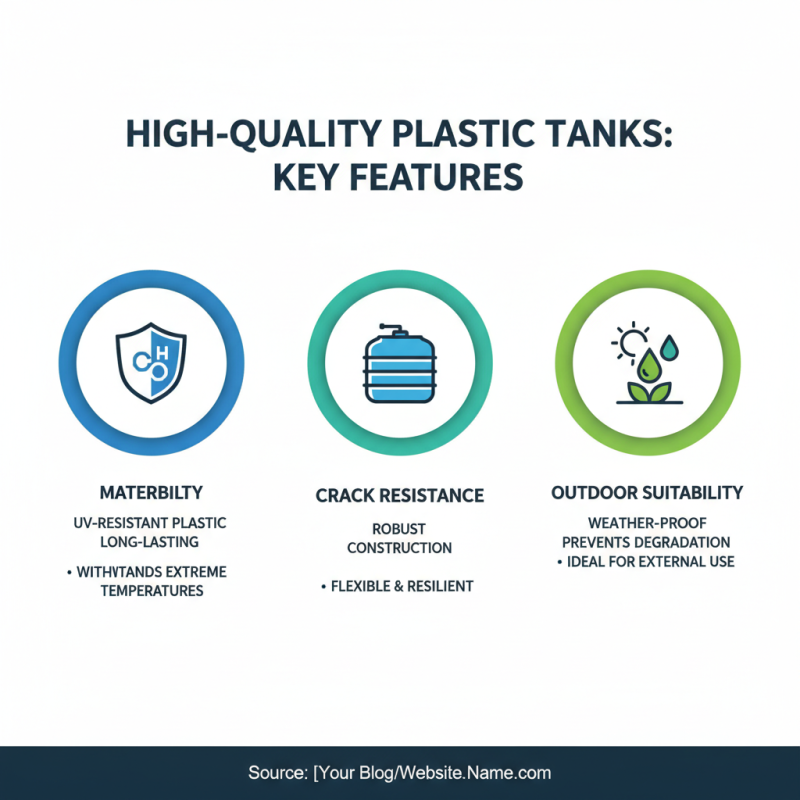
When selecting high-quality plastic tanks, key features are essential. Start with the material used. Look for tanks made from durable, UV-resistant plastic. This ensures longevity, especially if the tank will be outside. A good tank should withstand extreme temperatures without cracking.
Consider the tank's capacity and shape. Different projects require various sizes. A compact tank is often easier to transport, while larger options are better for storage. Inspect the lid and fittings, too. Secure closures prevent contamination and leaks. Smooth edges help during handling, which minimizes accidents.
Lastly, ease of cleaning is crucial. Tanks that can be disassembled or have wide openings are preferable. Some tanks may have intricate designs that complicate this process. Always consider how you will maintain them. Reflect on your specific needs to choose the right tank. It might take time to find the perfect fit, but those details matter significantly.
Best Brands for Plastic Tanks: A Comparison of Reputable Manufacturers
When choosing plastic tanks, the reputation of the manufacturer plays a significant role. Quality plastic tanks are crucial for various applications, from agricultural storage to industrial uses. According to recent industry reports, nearly 70% of buyers prioritize brand reliability. This is essential for reducing risks related to tank failure or leaks. It's important to consider factors like durability and material grade.
Different manufacturers specialize in unique tank applications. Some focus on food-grade tanks, while others excel in chemical storage. Research indicates that tanks made from HDPE are well-suited for corrosive liquids, boasting a lifespan of up to 30 years. However, not all brands pass the quality tests. Some sell lower-grade products that might crack under pressure.
Tips: Always check for quality certifications before purchasing. A reputable manufacturer will provide test results. Additionally, consider the warranty length as a reflection of the manufacturer's confidence in their product. Don't compromise on quality. Poor choices could lead to costly repairs or replacements down the line.
Best Plastic Tanks for Every Use in 2026 - Overview
| Tank Type |
Capacity (Gallons) |
Material |
Applications |
Price Range ($) |
| Above Ground Water Tank |
1000 |
Polyethylene |
Residential, Irrigation |
300 - 600 |
| Chemical Storage Tank |
500 |
Polypropylene |
Industrial, Chemical Processing |
400 - 800 |
| Rainwater Harvesting Tank |
750 |
High-Density Polyethylene |
Eco-Friendly, Water Conservation |
250 - 500 |
| Septic Tank |
1500 |
Polyethylene |
Waste Management |
600 - 1200 |
| Fuel Storage Tank |
2000 |
Cross-Linked Polyethylene |
Agricultural, Automotive |
800 - 1500 |
Maintenance and Care Tips for Longevity of Plastic Tanks
Maintaining plastic tanks is crucial for their longevity and optimal performance. Regular cleaning is essential.
Use mild soap and water for routine maintenance. Avoid harsh chemicals, as they can damage the plastic.
Inspect the tank periodically for signs of wear or discoloration. Look for cracks or leaks, which can worsen over time.
Proper storage is also key. If the tank is not in use, store it in a cool, dry place. Exposure to direct sunlight can weaken the material.
If possible, cover the tank with a protective tarp. This will shield it from environmental damage. Regularly check the fittings and seals.
Tighten them if they feel loose.
Ultimately, every tank type requires specific care. Different uses may demand unique maintenance strategies.
Reflect on your usage patterns. Are you overloading the tank? Consider the weight limit.
Taking these steps will ensure your plastic tank serves you well for years.