Why Choose Microfiber Gloves for Your Cleaning Needs?
Cleaning can often feel like a daunting task. The choice of tools you use can significantly affect your results. One tool that has gained popularity is microfiber gloves. These gloves offer various benefits that can make cleaning more efficient and enjoyable.
microfiber gloves are designed for superior performance. They trap dirt, dust, and allergens effectively. This feature makes them ideal for various surfaces, from delicate items to tough floors. Users have noted that they can clean without the need for harsh chemicals. This is both environmentally friendly and beneficial for those with allergies.
However, not everyone realizes their potential. Some may overlook them for conventional tools. Yet, microfiber gloves are worth considering. They provide a unique blend of softness and cleaning power. They are lightweight and easy to use. Adopting these gloves can transform your cleaning routine, but it requires a willingness to try something new.
What Are Microfiber Gloves and How Do They Work?
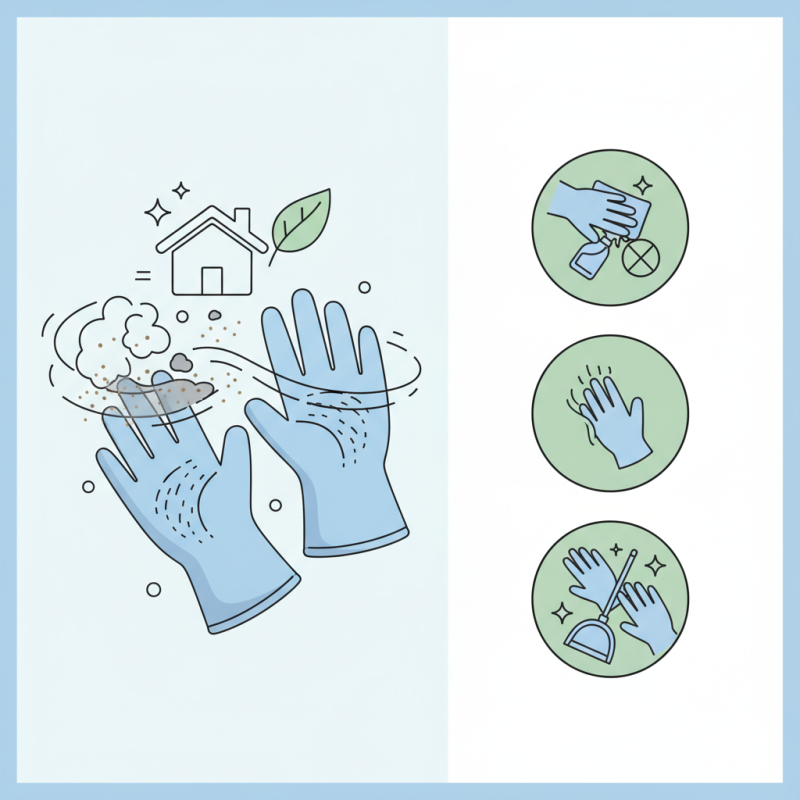
Microfiber gloves are a cutting-edge tool in cleaning. These gloves are crafted from millions of tiny fibers, which create a large surface area. This unique structure allows them to pick up dirt, dust, and bacteria efficiently. According to studies, microfiber cleaning products can remove up to 99% of bacteria from surfaces with proper usage. Traditional materials often fail to achieve such high standards of cleanliness.
The way microfiber gloves work is intriguing. The fibers are finer than a human hair, allowing them to penetrate crevices that other materials can't reach. When you put on a microfiber glove, each fiber acts like a tiny magnet for dirt and grime. The design also means that less cleaning solution is needed, making them environmentally friendly. Reports suggest that using microfiber can reduce chemical usage by up to 80%. However, not all microfiber is created equal. Some products may not meet the necessary standards for effectiveness.
Many users appreciate the convenience of microfiber gloves. They can be used dry or damp, adapting to different cleaning tasks. However, some find that they require proper washing to maintain their effectiveness. Improper care can lead to reduced cleaning power. It's essential to follow guidelines for cleansing them. Failing to do so might lead to disappointment in performance over time. Understanding the workings of microfiber gloves can enhance your cleaning experience and effectiveness.
Why Choose Microfiber Gloves for Your Cleaning Needs?
This chart displays the cleaning efficiency of various materials compared to microfiber gloves. The data reflects the dust and dirt pickup capability based on independent cleaning tests.
Advantages of Using Microfiber Gloves for Cleaning Tasks
Microfiber gloves offer unique advantages for cleaning tasks. They are designed to trap dirt and dust effectively. This allows you to clean surfaces without harsh chemicals. The tiny fibers create a large surface area, making them ideal for picking up particles. This efficiency saves time during cleaning.
Using microfiber gloves reduces the risk of scratching delicate surfaces. You can safely use them on glass and polished finishes. Many users find them comfortable, as they fit snugly on the hand. The lightweight nature makes them perfect for extended use. However, some may find them less durable than traditional gloves.
Regular washing is essential to maintain their effectiveness.
In terms of sustainability, microfiber gloves are a better choice. They can replace disposable cleaning products and reduce waste. Yet, improper disposal of microfiber can lead to pollution. Awareness of proper care and disposal is necessary. Overall, microfiber gloves offer a blend of efficiency and eco-friendly cleaning. They can enhance your cleaning routine significantly.
Comparing Microfiber Gloves to Traditional Cleaning Tools
When it comes to cleaning, microfiber gloves are a game changer. They outperform traditional tools like sponges and rags. A study from the Institute of Cleaning and Restoration Certification shows that microfiber can capture up to 99% of bacteria on surfaces. This is a staggering difference compared to conventional cloths, which only pick up about 30%.
Microfiber's unique structure increases its effectiveness. Each tiny fiber is split into many strands. This allows it to pick up dust and dirt more effectively than a cotton rag. Traditional cleaning tools often push dirt around rather than capturing it. Microfiber gloves can be used on various surfaces without scratching, making them versatile.
However, there are aspects to consider. Microfiber gloves require careful washing to maintain their effectiveness. If not washed properly, they can lose their cleaning power. Additionally, while they are superior in many ways, they may not replace all traditional methods. Some tasks might still need a different approach. Keeping a balance between options is still crucial for effective cleaning.
Tips for Proper Care and Maintenance of Microfiber Gloves
Microfiber gloves are becoming increasingly popular for cleaning. They are effective at trapping dirt, dust, and allergens. However, proper care is essential for maintaining their effectiveness. According to a report from the International Association of Professional Cleaners, microfiber products can lose up to 30% of their cleaning ability if not maintained correctly. This data underscores the importance of understanding how to care for microfiber gloves.
To ensure microfiber gloves remain in optimal condition, washing them correctly is crucial. Use warm water and a mild detergent. Avoid using fabric softeners as they can coat the fibers, reducing their ability to attract dirt. Air drying is preferable, as high heat can damage the gloves. A study by the Cleaning Industry Research Institute found that proper laundering can extend the lifespan of microfiber gloves significantly.
Storing microfiber gloves properly also contributes to their longevity. Keep them in a clean, dry place away from direct sunlight. This prevents degradation of fibers. Despite their durability, it's worth noting that even with proper care, these gloves should be replaced periodically. Many professionals recommend changing them every three to six months, depending on usage. This ensures they continue to provide effective cleaning performance.
Environmental Impact of Using Microfiber Gloves in Cleaning
Microfiber gloves have gained popularity for their cleaning efficiency and environmental benefits. Unlike traditional cleaning materials, microfiber is made from synthetic fibers that capture dirt and dust effectively. This is crucial, as studies show that about 70% of indoor cleaning relies on the right tools for effective results.
The environmental impact of using microfiber is significant. Research indicates that for every microfiber cleaning cloth, the lifespan can be up to 500 washes, reducing the need for disposable options. A report from the Ellen MacArthur Foundation highlights that reducing single-use items can decrease global plastic waste by 30%. Microfiber's longevity means less trash ends up in landfills, minimizing ecological harm.
Tips: Always wash microfiber gloves with a gentle detergent. This maintains their effectiveness for longer and limits fiber shedding. Consider air drying your gloves rather than using a dryer, as this preserves their structure. It's essential to reflect on how we clean and choose tools that align with sustainability goals. Every small change contributes to a healthier planet.