How to Choose the Best Water Storage Tanks for Your Needs?
When looking for the best water storage tanks, one must consider various factors. The right tank is vital for your needs. It impacts water safety and accessibility.
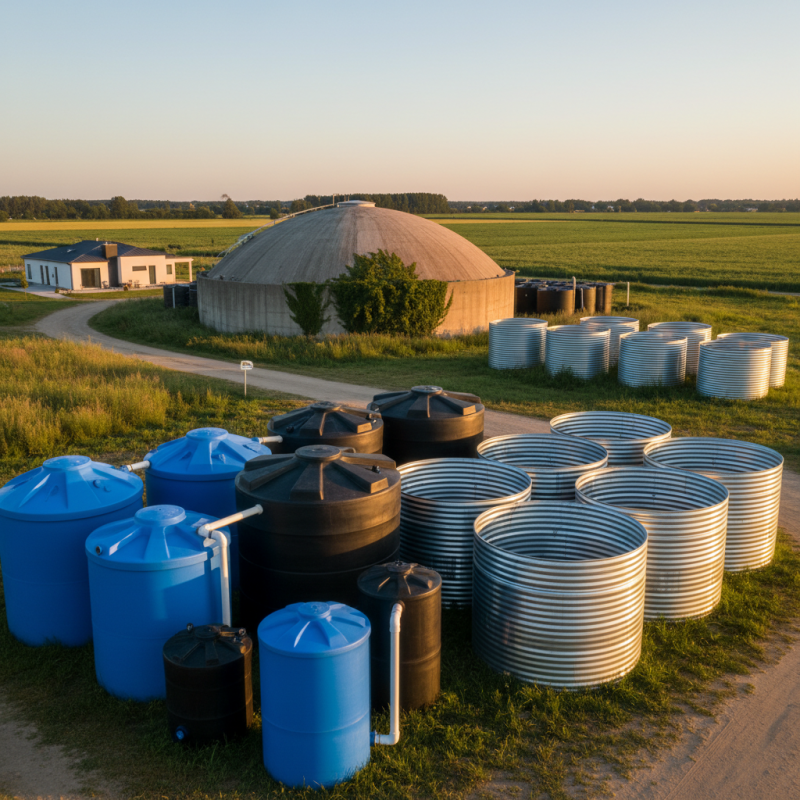
Water storage tanks come in different shapes and sizes. You can find options made from plastic, metal, or concrete. Each material has unique benefits and drawbacks. For example, plastic tanks are lightweight, while concrete tanks offer durability.
Thinking about capacity is crucial. How much water do you need to store? A small household may require less than larger farms or industrial uses. Reflecting on your specific requirements can avoid future issues with supply shortages. Always assess your choices and plan accordingly.
Understanding Different Types of Water Storage Tanks
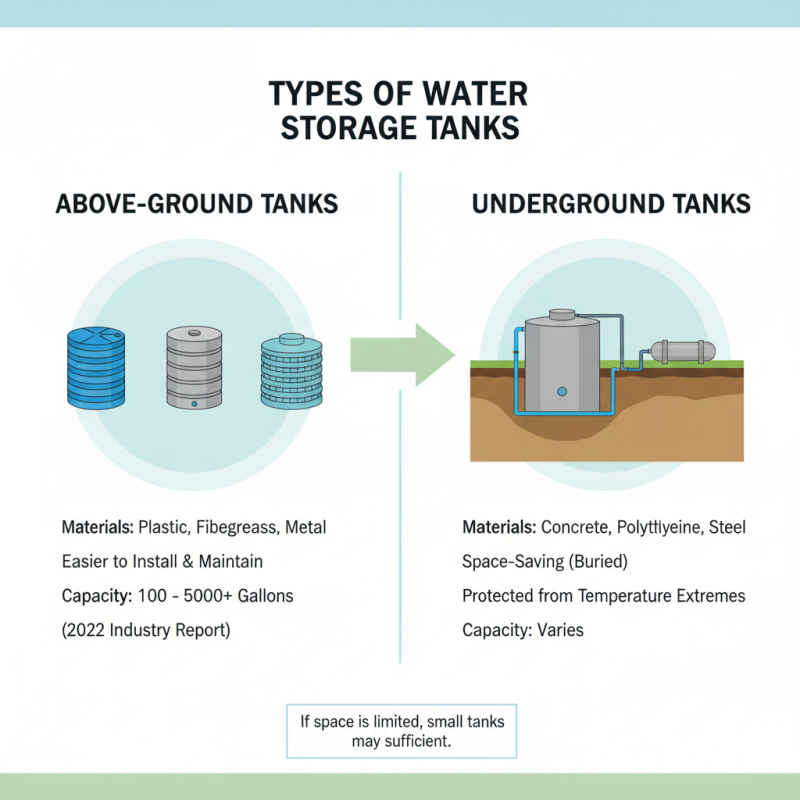
When selecting a water storage tank, understanding the types available is crucial. There are generally two categories: above-ground and underground tanks. Above-ground tanks are often made from plastic, fiberglass, or metal. They are easier to install and maintain. According to a 2022 industry report, they can range from 100 to over 5000 gallons. If space is limited, small tanks may be sufficient.
Underground tanks, on the other hand, offer advantages like protection from extreme temperatures and space-saving solutions. Their complex installation process can be costly. A significant consideration is the material. Steel tanks generally last longer but are more costly than plastic. Reports indicate that maintenance can fluctuate greatly. A poorly maintained tank could lead to contamination.
Regional climate can also influence your choice. For example, areas prone to freezing temperatures may require insulated tanks. Many users overlook local regulations, which can impact your options. Ultimately, research and careful thought about your specific requirements will guide you in making the best choice.
Factors to Consider When Choosing Water Storage Tanks
Choosing the best water storage tank involves various factors tailored to your specific needs. One critical aspect is the tank material. Common materials include polyethylene, fiberglass, and steel. Each material presents unique advantages. For instance, polyethylene tanks are lightweight and resistant to corrosion. However, they may degrade over time if exposed to UV rays. Steel tanks are durable but require maintenance to prevent rust.
When assessing tank capacity, consider your daily water usage. The Water Quality and Health Council states an average person requires 80-100 gallons of water daily for drinking, cooking, and sanitation. If you have a family, multiply accordingly. A common mistake is underestimating this requirement, leading to insufficient storage during emergencies.
Tip: Estimate future water needs too. Growth in family size or lifestyle changes can demand more capacity. Another factor to evaluate is the tank's installation location. Tanks should be easily accessible for maintenance. Placement in shaded areas can reduce UV exposure, extending the tank's lifespan.
Tip: Regular inspection of your tank helps detect issues early. Keep an eye on leaks and structural integrity. Remember, the right choice hinges not only on immediate needs but also on future considerations and potential pitfalls.
Assessing Your Capacity Needs for Water Storage
Assessing your capacity needs for water storage is crucial. Start by evaluating your daily water consumption. Consider how many people live in your home. Think about your lifestyle. Do you garden or have pets? These factors can greatly affect your requirements.
Tips: Keep track of your water usage for a week. This can provide valuable insights. You might be surprised at how much you actually use.
Next, consider the space you have available. Water tanks come in various sizes and shapes. Sometimes, the ideal tank may not fit in your designated area. Measure your space carefully. You don’t want a tank that’s too large or too small.
Tips: Visualize the tank's placement before buying. Use a measuring tape to ensure proper fit. This can save you from costly mistakes later. Remember, it's better to think ahead than to face regrets.
Water Storage Tank Capacity Needs Assessment
This chart illustrates the approximate water storage capacity required for different types of residences and businesses. From small houses to industrial needs, the gallons required increase significantly, emphasizing the importance of selecting the right water storage tank to meet specific capacity requirements.
Material Options for Water Storage Tanks and Their Benefits
When selecting water storage tanks, material options play a critical role in performance and longevity. There are several choices available, each with distinct benefits. For instance, polyethylene tanks are popular due to their lightweight and corrosion-resistant nature. According to a report by the American Water Works Association, nearly 30% of water facilities prefer these for their affordability and ease of installation.
Steel tanks, on the other hand, offer durability and structural strength. They are often used in industrial settings where heavy-duty storage is essential. A study from the Steel Tank Institute noted that galvanized steel tanks can last up to 25 years with proper maintenance. However, they are susceptible to rust and require protective coatings to extend their lifespan. This adds complexity to their upkeep.
Concrete tanks are another option, known for their robustness. They are ideal for underground installations and can maintain consistent water temperatures. However, they can be costly and challenging to install. Engineers recommend assessing soil type and environmental factors before opting for concrete. Each material has its trade-offs, and careful consideration is essential to ensure the chosen tank meets specific needs.
How to Choose the Best Water Storage Tanks for Your Needs?
| Material Type |
Durability |
Cost |
Maintenance |
Weight |
| Polyethylene |
High |
Low |
Low |
Lightweight |
| Fiberglass |
Very High |
Medium |
Medium |
Medium |
| Steel |
Very High |
High |
High |
Heavy |
| Concrete |
Very High |
High |
Medium |
Very Heavy |
Maintenance and Longevity of Water Storage Tanks
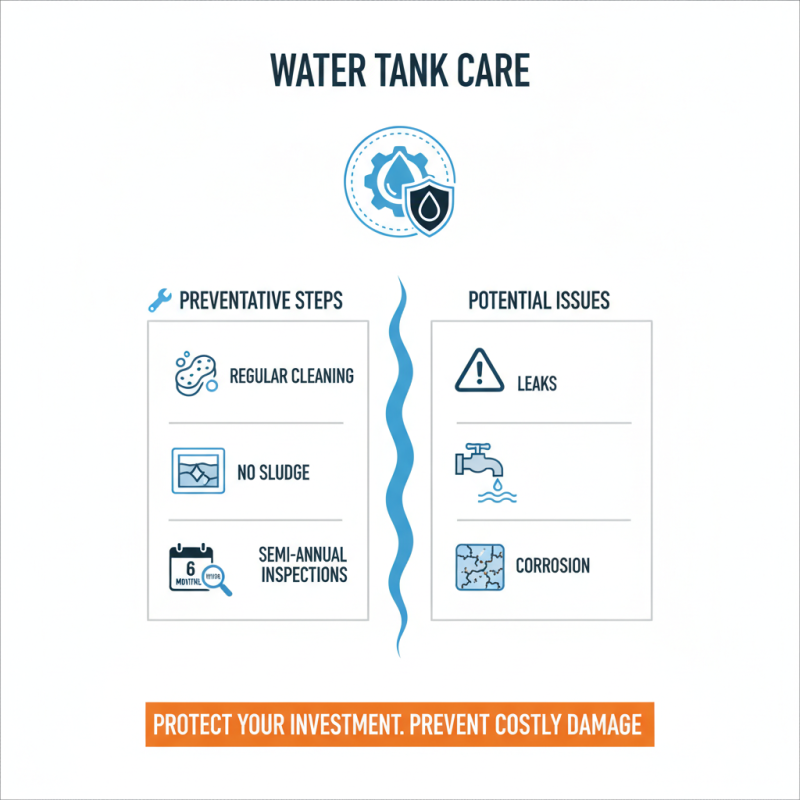
Water storage tanks require careful maintenance for longevity. Regular cleaning can prevent sludge buildup. According to industry reports, tanks should be inspected every six months. Pay attention to leaks or corrosion signs. These issues can escalate quickly if ignored.
Temperature control is vital. Extreme temperatures can weaken tank materials. For example, tanks in freezing climates may crack without proper insulation. A study shows that insulating tanks can extend their life by 25%. Detailing the tank’s environment helps in making the right choices.
Material choice is another key factor. Steel tanks offer durability but can corrode over time. Plastic tanks are lightweight, yet they can become brittle under UV exposure. And if installations are not done according to guidelines, it can lead to unexpected failures. Remember, no tank is perfect. Regular checks and maintenance habits are essential for maximizing lifespan.