Why Choose Plastic Injection Molding for Your Manufacturing Needs?
Plastic injection molding is a popular manufacturing process. Many industries rely on it for efficient production. This method allows for the creation of complex parts with high precision.
With plastic injection molding, manufacturers can produce a large number of parts quickly. The process uses molten plastic, injected into molds. This results in consistent, high-quality products and minimizes waste. However, the initial setup cost can be high.
Choosing plastic injection molding means investing in speed and efficiency. Yet, it’s essential to consider the design of the mold carefully. Mistakes in design can lead to costly errors. Manufacturers should strive for continuous improvement in their processes.
Understanding Plastic Injection Molding: An Overview of the Process
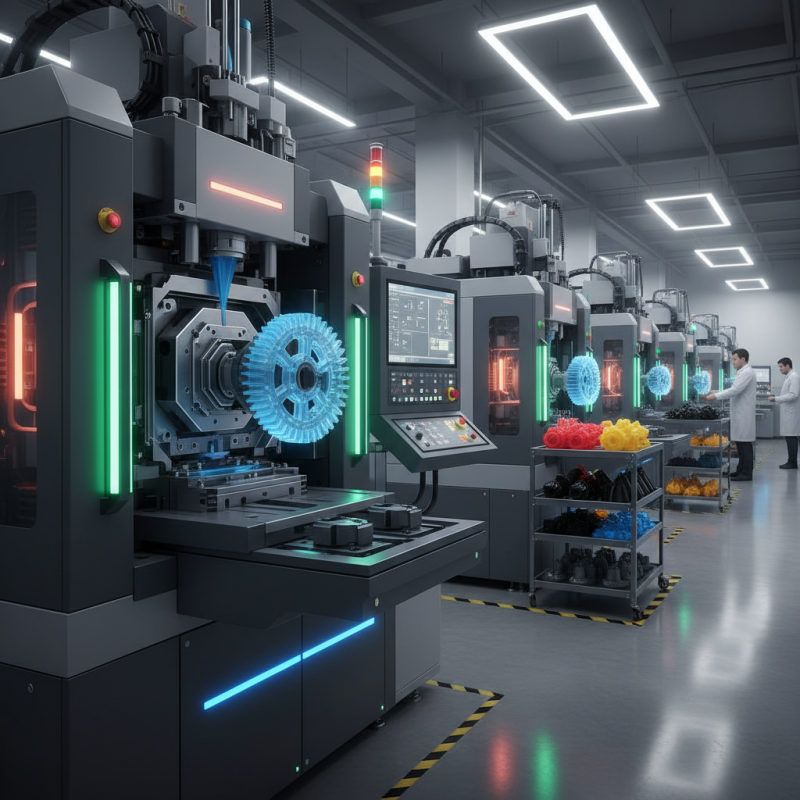
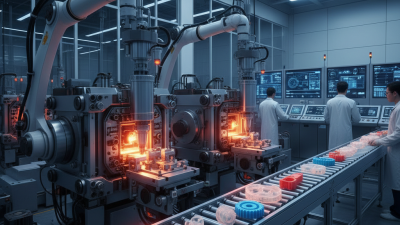
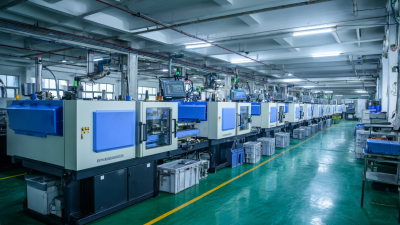
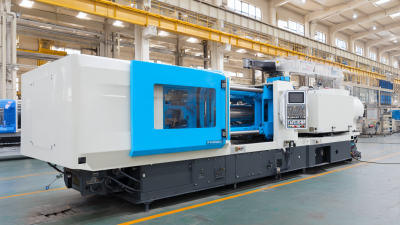
Plastic injection molding is a widely used manufacturing process. It involves injecting molten plastic into a mold. This creates diverse and precise shapes. The process starts with heating plastic pellets until they melt. Then, the liquid plastic is forced into a mold cavity. Cooling solidifies the plastic, forming the final product.
Using injection molding allows for mass production. It is efficient and can produce thousands of identical parts. However, the initial cost of creating molds can be high. This may lead businesses to hesitate at first. Another challenge is the need for skilled operators. Poorly trained staff can lead to defects in the final products.
The versatility of plastic injection molding is notable. It can accommodate various materials and colors. This opens up possibilities for innovative designs. However, designers must carefully consider the material choices. Some plastics may not perform well under certain conditions. It’s important to test prototypes to ensure functionality before large-scale production.
Advantages of Plastic Injection Molding in Manufacturing Efficiency
Plastic injection molding has become an essential choice for many manufacturers today. It offers impressive
efficiency in the production process. With this method, high volumes of identical parts can be created rapidly. The ability to produce diverse shapes and sizes is a significant benefit.
However, initial setup costs can be high, and not all designs are perfect for this method.
One key advantage is the reduction of waste. Once the molds are made, the material is used effectively. This method can also enhance
product consistency. Each piece produced is nearly identical, which is crucial for quality control. Despite these benefits, the complexity of mold design can lead to longer lead times.
Manufacturers must carefully evaluate their designs before committing to production.
The versatility of plastic injection molding cannot be overlooked. It can use various types of plastics,
allowing for creative possibilities. However, some designs may require constant adjustments, which can affect efficiency. Manufacturers must be prepared for potential revisions and fine-tuning.
Balancing efficiency with design flexibility is critical in this process.
Cost-Effectiveness of Plastic Injection Molding for Mass Production
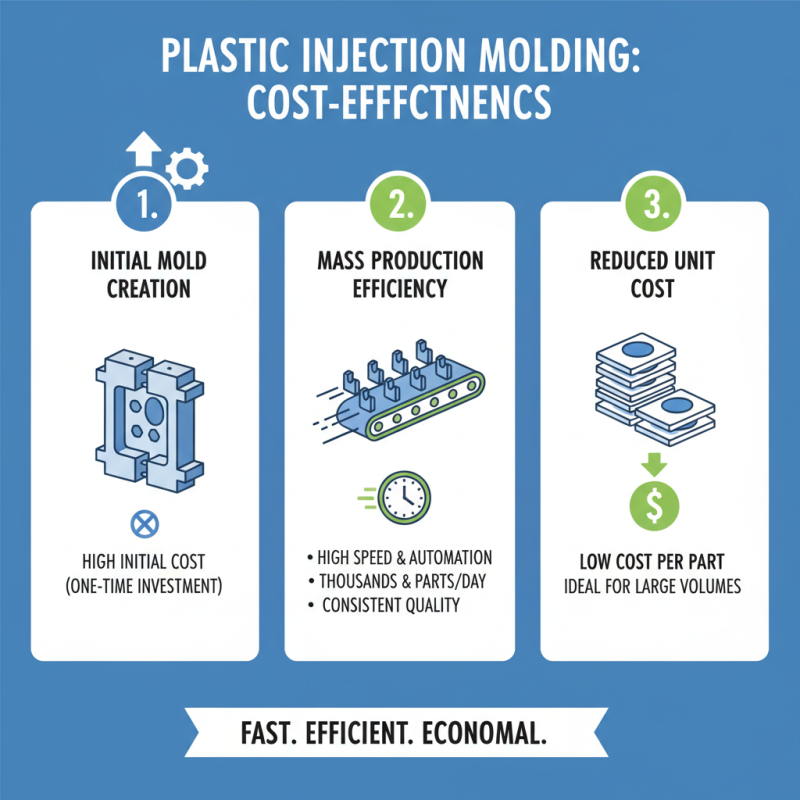
Plastic injection molding is often chosen for its cost-effectiveness, especially in mass production. The process allows for high efficiency and speed. Once the mold is created, it can produce thousands of identical parts quickly. This reduces the cost per unit significantly.
However, creating the molds can be expensive. The initial investment in design and materials is critical. Companies must weigh long-term benefits against upfront costs. While this method shines in producing parts at scale, smaller runs may not justify the expense. Sometimes, companies find themselves with excess inventory of products that do not meet market needs.
Quality control is another aspect to consider. Though the process is efficient, minor defects can lead to considerable waste. Investing in proper testing is essential. Moreover, updates to design or changes in demand can render existing molds obsolete. Therefore, staying adaptable in production planning is vital. Balancing cost with flexibility often requires ongoing reflection and adjustment.
Versatility of Materials in Plastic Injection Molding Applications
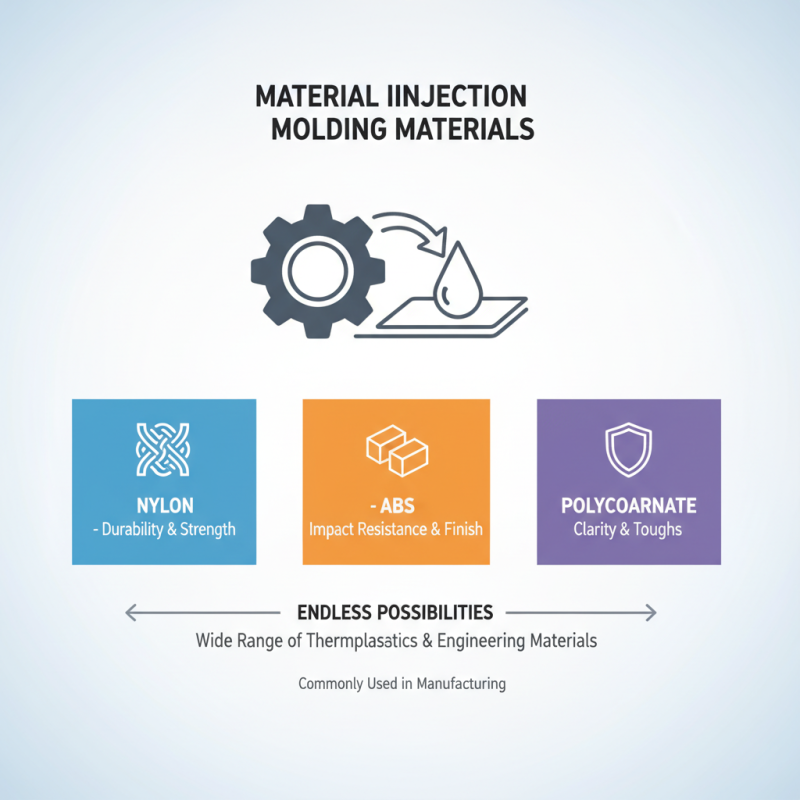
Plastic injection molding is a popular choice for many manufacturing applications. Its versatility shines through in the wide range of materials that can be used. From basic thermoplastics to advanced engineering materials, the possibilities are almost endless. For instance, nylon, ABS, and polycarbonate are commonly used, each offering unique properties suited for different needs.
In 2021, the global plastic injection molding market was valued at approximately $274 billion and is projected to grow even further. This growth highlights the industry's demand for adaptable materials. Many manufacturers find that using composites can enhance product strength while reducing weight. This adaptation can lead to cost savings and improved performance. However, the extensive choice of materials can sometimes be overwhelming. Making the wrong choice might result in product failures.
Additionally, the environmental impact of plastics is a growing concern. Some materials can be recycled, but not all. Manufacturers must weigh the benefits against potential drawbacks. Using biodegradable plastics could mitigate some issues, but these alternatives are not always as durable. The complexity of material selection requires careful consideration and a willingness to experiment and learn from mistakes.
Environmental Considerations and Sustainability in Injection Molding
Plastic injection molding stands out for its efficiency and cost-effectiveness. However, the environmental implications are often overlooked. According to a report from the American Chemistry Council, over 80% of all plastic products are made using this method. It’s essential to consider how this process affects sustainability.
Recycling is one key area where injection molding can improve. Many plastic products produced through this method are recyclable. However, study data shows that only about 9% of plastic waste is truly recycled. This indicates a need for better systems and consumer awareness. Emphasizing recyclable materials could close the loop significantly.
Moreover, the energy consumption of injection molding plants raises questions. A survey by the International Energy Agency noted that plastics production accounts for around 4% of global energy use. By adopting renewable energy sources, manufacturers could reduce their carbon footprint. Initiatives like reducing cycle times and optimizing temperature control can lead to savings in both energy and costs.