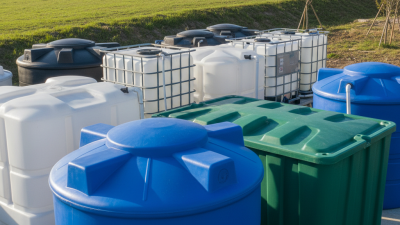
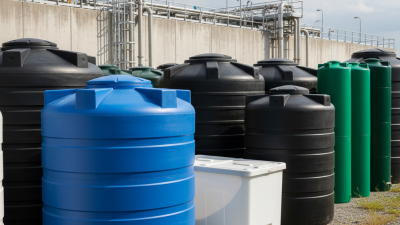
How to Choose the Right Poly Storage Tanks for Your Needs?
Selecting the right poly storage tanks is crucial for various applications. These tanks come in different shapes, sizes, and materials, catering to unique needs. Understanding the specific requirements of your project is essential for making a knowledgeable choice.
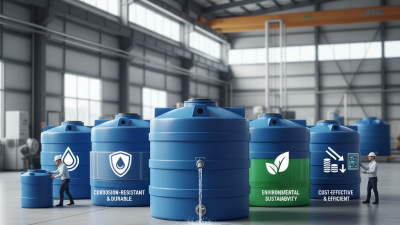
When exploring poly storage tanks, consider how they will be used. Will they hold water, chemicals, or other materials? Each use requires a different tank type. Think about durability and weather resistance, particularly if the tank will be outdoors. The right tank can prevent leaks and spills, protecting the environment.
Don't overlook dimensions and installation space. A tank that fits perfectly can optimize storage and function. Inadequate space could lead to inefficiency and increased costs. Often, users realize too late that they chose the wrong capacity or design. Reflection on current and future needs is vital. Choose wisely, and avoid unnecessary complications later.
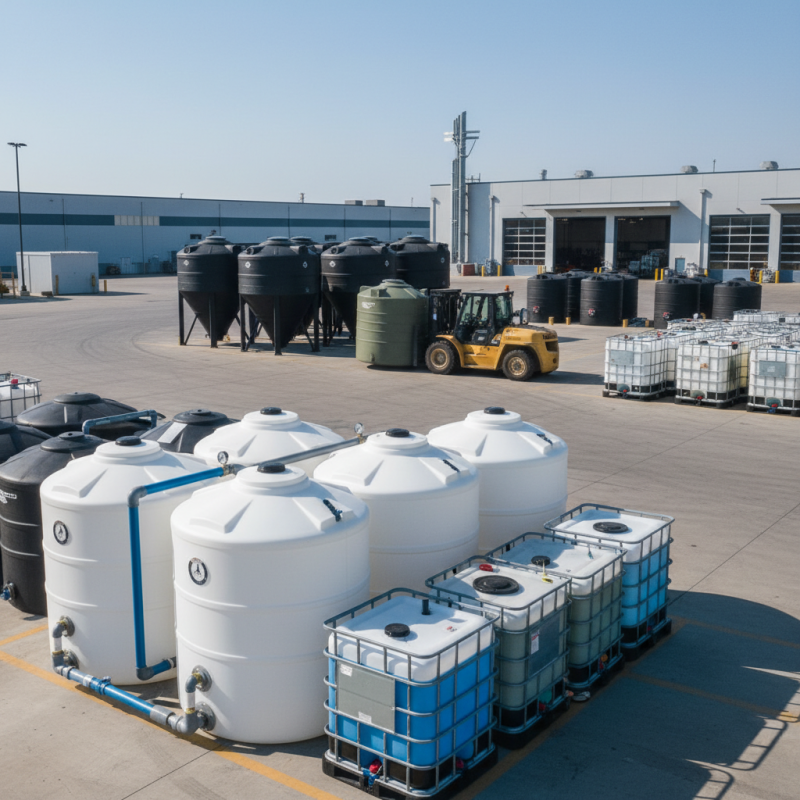
Understanding Poly Storage Tanks and Their Applications
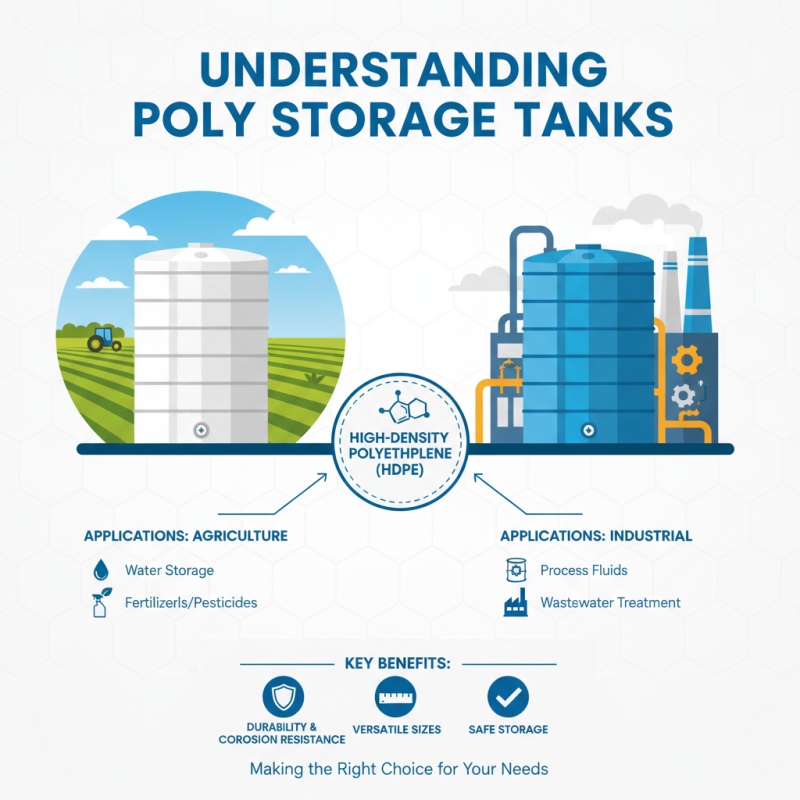
Poly storage tanks are engineered for various applications, from agricultural use to industrial processes. Understanding their capabilities helps in making the right choice. These tanks are typically made from high-density polyethylene (HDPE), known for its durability and resistance to corrosion. This material ensures that the tanks can safely store liquids like water, fertilizers, and chemicals. The versatility in sizes means they can fit in different spaces, whether large fields or tight industrial settings.
In addition to material, consider the tank design. Some tanks come with specific features for easier handling. For instance, tanks may have built-in fittings for easy coupling with pumps. When selecting a tank, think about its intended use. Tanks meant for drinking water often have stricter standards. Conversely, tanks for waste products might need added layers for containment. Understanding these nuances helps avoid costly mistakes later on. Reflecting on these details can guide you in choosing the right tank tailored to your needs.
Factors to Consider When Choosing Poly Storage Tanks
Choosing the right poly storage tanks requires careful consideration. Factors such as tank size, material, and intended use play a critical role. According to industry reports, poly tanks account for over 70% of the liquid storage market in agriculture and water management due to their durability and cost-effectiveness.
One important factor is UV resistance. Tanks must withstand exposure to sunlight without degrading. Additionally, consider the chemical compatibility of the tank material. A tank unsuitable for specific chemicals can lead to leaks and contamination. Industry standards suggest performing compatibility tests before selection.
Tip: Always check the manufacturer’s specifications. This ensures the tank meets safety and operational standards.
Another aspect is the tank size. Oversized tanks can lead to inefficiencies and increased costs. Conversely, a tank that is too small may require frequent refills, disrupting operations. According to a recent analysis, nearly 15% of storage issues arise from improper sizing.
Tip: Assess your needs regularly. Review your storage requirements at least annually to avoid potential issues.
While poly storage tanks are widely used, their selection is not always straightforward. Reflect on your actual usage and consult with experts in the field to make the best choice.
Different Types of Poly Storage Tanks Available
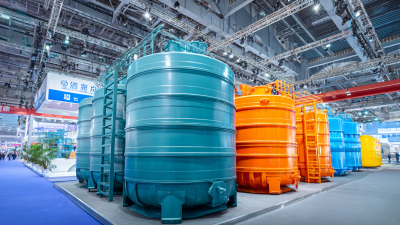
When selecting poly storage tanks, it’s essential to understand the various types available to ensure they meet your needs. High-density polyethylene (HDPE) tanks are popular for their resistance to UV rays and chemicals. They are lightweight, making them easy to install and move. For larger volumes, you might consider vertical or horizontal tanks. Vertical tanks save space, while horizontal tanks can be easier to fill and empty.
Another option is cross-linked polyethylene (XLPE) tanks. These offer enhanced durability and can withstand extreme temperatures. They are ideal for industries requiring robust storage solutions. Additionally, specialized tanks are available for specific applications, such as water, chemicals, or food-grade liquids. Using the correct tank ensures safety and compliance with industry standards.
Choosing the right tank isn’t always straightforward. Factors like size, location, and intended use play a significant role. It can be challenging to predict future needs. Regular inspections and maintenance are vital, as neglect can lead to leaks or structural failures. Always assess your unique requirements before making a decision.
Evaluating Tank Sizes and Capacities for Your Needs
When selecting poly storage tanks, size and capacity are critical factors. Understanding your specific needs is essential. For instance, the average chemical storage tank ranges from 300 to 15,000 gallons. If you underestimate your needs, you could face frequent refills. Overestimating can result in excess costs and inefficiencies. A comprehensive analysis of consumption levels can guide you towards a suitable capacity.
The right tank size should accommodate future growth. In the agricultural sector, for example, farms often scale operations. Recent industry reports highlight that 58% of farms expect increased water usage in the coming years. Choosing a tank that meets these growth projections is important. Capacity also influences structural integrity; larger tanks may require additional support.
It is also crucial to consider optional features like level monitoring. This adds value by preventing overflow or depletion. Many installations overlook these features, leading to operational issues. Investing time in capacity evaluation now can prevent headaches later. Tailoring your selection to both current and future needs is the key to effective storage solutions.
Maintenance and Safety Tips for Poly Storage Tanks
When it comes to poly storage tanks, maintenance and safety are crucial.
Regular inspections help identify wear and tear that can lead to leaks.
Check the tank for cracks or discoloration.
This can indicate exposure to UV light or chemical degradation.
Early detection prevents catastrophic failures and ensures safe operation.
Cleaning your tank is essential to keep it in good shape.
Use a gentle detergent and water solution.
Rinse thoroughly to avoid contamination.
It’s also wise to establish a cleaning schedule based on usage.
This might seem tedious, but neglecting it could lead to bigger problems down the line.
Safety protocols must always be followed.
Ensure tanks are installed on stable, flat surfaces.
Secure them properly to prevent tipping.
Keep emergency equipment nearby. This includes spill kits and personal protective gear.
Reflecting on your safety measures regularly is key to maintaining a secure environment.
Regular training for staff can enhance awareness and compliance.
It’s these small steps that create a safer workspace.