Choosing the right blow molding machine begins with the container, not the sales brochure. PlasticsEurope’s Plastics—The Fast Facts 2024 reports that packaging represented 39.3% of European plastics demand in 2022. That figure signals intense pressure on manufacturers to reduce weight, waste, energy use, and downtime.
Michael Thielen, editor of Blow Molding magazine, offers a practical principle: “The machine must serve the container, not the other way around.” The advice sounds simple. It is often ignored. Buyers should compare output targets, resin behavior, mold dimensions, neck accuracy, wall-thickness control, and energy consumption. A machine producing 2,000 bottles per hour may appear attractive. However, unstable parison control can create flash, thin walls, and expensive rejects. The factory floor tells the truth.
Smithers’ packaging market research continues to identify lightweighting, recyclability, and production efficiency as major industry priorities. Therefore, the best blow molding machine is not automatically the largest or fastest model. It should match the material, product geometry, mold set, and realistic production schedule. Consider high-density polyethylene, PET, PP, or recycled blends separately. They do not behave identically.
A short trial run can reveal more than a polished specification sheet. Check cycle consistency, scrap rates, compressed-air demand, operator access, and maintenance response. I would also question optimistic supplier forecasts. They may assume ideal resin, perfect molds, and uninterrupted operation. Real plants rarely cooperate so neatly. Reliable selection requires documented testing, transparent assumptions, and a clear five-year operating-cost model.
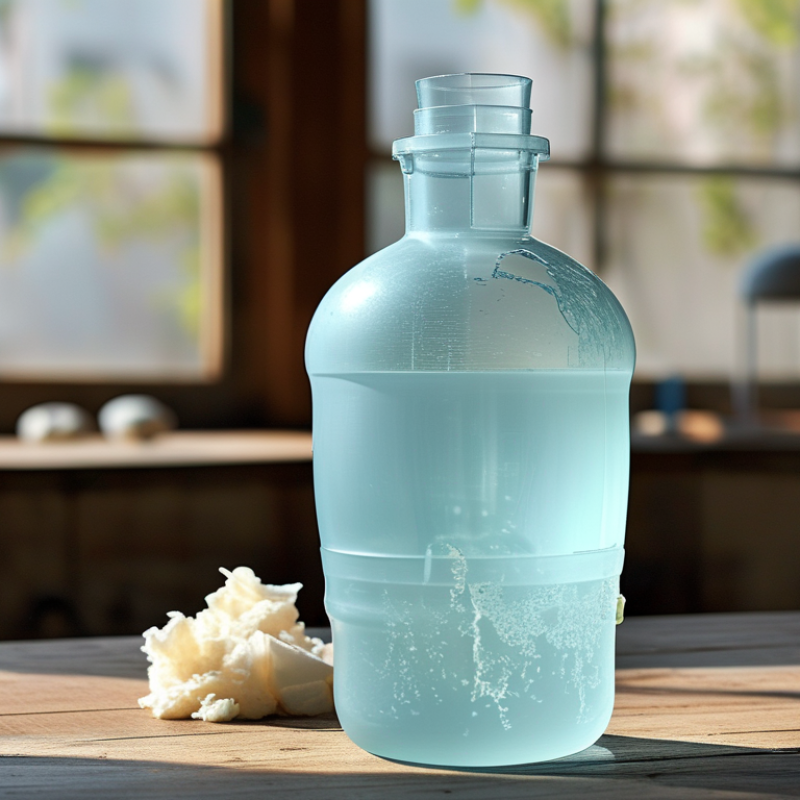
A suitable blow molding machine begins with a precise product definition. Record the container’s volume, height, diameter, neck finish, wall thickness, and expected weight. A 500-milliliter bottle needs different control than a wide industrial drum. Small details matter.
Identify the material, color, and intended filling conditions. Some products require strong impact resistance, while others need clarity or controlled flexibility. Note the production target, cavity count, cycle time, and acceptable scrap rate. If the container holds warm liquid, measure its temperature during filling. Guesswork here can create expensive tooling problems later.
Tips: Prepare a sample drawing with tolerances, not only nominal dimensions. Include photographs of defects, if available. Ask the machine supplier to review your material data, mold design, and testing method before making a recommendation.
During machine selection, connect each requirement to a measurable capability. Check extrusion output, clamping force, mold dimensions, parison control, and cooling performance. Request trial production with your actual resin and mold when possible. Inspect thickness distribution at several points, especially corners and the base. Production teams often focus on speed and overlook stability. That mistake is understandable, but it can increase waste, maintenance, and inconsistent filling performance. Keep a record of trial settings, test results, and operator feedback.
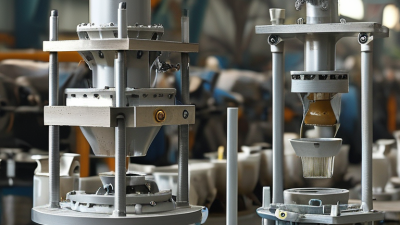
Choosing a blow molding machine starts with the container, not the machine brochure. Extrusion blow molding suits hollow products with handles, thick walls, or irregular shapes. It can use HDPE, PP, and recycled blends. Injection blow molding delivers cleaner neck finishes and tighter dimensions. It works well for smaller bottles and high-volume medical or personal-care packaging. Stretch blow molding adds biaxial stretching, improving PET bottle strength and clarity. It also demands precise preform heating and cooling. Small temperature errors can create thin panels.
According to PlasticsEurope’s Plastics—The Fast Facts 2023, global plastics production reached 400.3 million tonnes in 2022. That scale makes resin waste and energy use important purchasing factors. Grand View Research forecasts the global blow molding machine market to grow at about 4.6% annually from 2024 to 2030. However, growth figures do not guarantee a good fit for your factory. A high-speed system may lose value if changeovers are slow or scrap rises. In plant trials, I would inspect wall thickness, cycle stability, leakage, and operator access.
How to Choose the Right Blow Molding Machine?
Machine capacity should match the container, mold count, and planned output. Start with daily demand, not the largest machine available. A useful calculation is: hourly output equals cavity count multiplied by cycles per hour. Then allow space for changeovers, maintenance, and rejected parts. According to PlasticsEurope’s Plastics—The Fast Facts 2023, global plastics production reached 400.3 million tonnes in 2022. That scale makes efficient equipment selection increasingly important. Oversizing a machine can raise energy use and leave valuable capacity idle.
Material choice changes the machine specification. HDPE, PET, PP, and recycled-content blends require different heating, drying, screw, and cooling conditions. PET needs careful moisture control before processing. Recycled resin may also vary in viscosity and color. The OECD Global Plastics Outlook reports that only 9% of plastic waste was recycled globally in 2019. Therefore, trial runs should test both virgin and recycled feedstock when applicable. Do not trust a supplier’s ideal cycle time alone.
Speed can mislead. A shorter cycle may create thin walls, uneven cooling, or unstable neck dimensions. Review output at the target bottle weight, not an empty mold demonstration. Track cycle time, scrap rate, pressure, and power consumption during a realistic production trial. I would leave a modest capacity margin, perhaps 10–20%, for seasonal demand and process drift. That assumption can be wrong. Actual performance depends on mold design, operator skill, resin quality, and factory temperature. A documented trial remains more reliable than a sales estimate.
| Machine Type | Typical Product Capacity | Common Materials | Typical Production Speed | Suitable Product Range | Main Advantages | Key Limitations | Best Selection Criteria |
|---|---|---|---|---|---|---|---|
| Extrusion Blow Molding | Approximately 50 mL–60 L per container | HDPE, LDPE, PP, PVC, PETG, EVA, and selected engineering polymers | About 200–2,000 containers/hour | Bottles, jerry cans, drums, automotive ducts, technical parts, and hollow industrial products | Flexible for irregular shapes, wide openings, handles, multiple layers, and large containers | Produces a visible pinch-off line; flash trimming may be required; dimensional precision is generally lower than injection-based processes | Choose when product shape flexibility, container size, or multilayer construction is more important than maximum output |
| Injection Blow Molding | Approximately 5 mL–2 L per container | PET, PP, PE, and other thermoplastics with suitable melt-flow properties | About 1,000–10,000 containers/hour | Small pharmaceutical bottles, cosmetic containers, sample bottles, and narrow-neck packaging | Excellent neck accuracy, consistent wall thickness, clean appearance, and little or no flash | Higher tooling cost; less suitable for very large containers, large handles, or highly irregular shapes | Choose when tight neck tolerances, attractive appearance, and repeatable small-container quality are priorities |
| Injection Stretch Blow Molding | Approximately 100 mL–3 L per container | Primarily PET; also selected PP and other stretchable polymers | About 1,000–3,000 containers/hour | Carbonated beverage bottles, water bottles, edible-oil bottles, and lightweight clear packaging | High transparency, strong biaxial orientation, good top-load performance, and efficient lightweighting | Requires suitable preform design and controlled heating; generally less flexible for handles and complex shapes | Choose when clarity, pressure resistance, lightweight design, and high-volume production are required |
| Accumulator-Head Extrusion Blow Molding | Approximately 5 L–1,200 L per product | HDPE, PP, PVC, ABS, PC, and other suitable engineering thermoplastics | About 10–150 containers/hour | Large drums, pallets, tanks, industrial containers, and automotive or appliance components | Handles large shot weights, thick walls, multilayer structures, and complex industrial geometries | Lower output for small products; higher energy consumption and greater equipment investment | Choose when large volume, high shot weight, structural strength, or multilayer protection is essential |
| Continuous Extrusion Blow Molding | Approximately 50 mL–30 L per container | HDPE, LDPE, PP, PVC, and selected barrier materials | About 300–3,000 containers/hour | Personal-care bottles, household containers, lubricant bottles, and medium-size packaging | Good productivity, relatively simple material feeding, and suitability for continuous production | Less efficient for frequent material changes; parison control can be more challenging for demanding products | Choose when production runs are long, product designs are stable, and consistent throughput is needed |
| Co-Extrusion Blow Molding | Approximately 100 mL–60 L per container | Multilayer combinations such as HDPE/EVOH/HDPE, PP/EVOH/PP, and recycled-content structures | About 150–1,500 containers/hour | Fuel containers, chemical packaging, food packaging, and products requiring oxygen or chemical barriers | Combines barrier, recycled, structural, and appearance layers in one container | More complex process control, higher die and equipment costs, and stricter layer-thickness requirements | Choose when shelf life, chemical resistance, recycled-content integration, or material savings justify multilayer construction |
| High-Speed Rotary Blow Molding | Approximately 250 mL–2.5 L per container | Primarily PET and other polymers suitable for stretch blow molding | About 10,000–40,000 containers/hour | High-volume beverage and clear packaging applications | Very high output, efficient use of floor space, and stable production for standardized bottle designs | High capital cost; limited flexibility for frequent product changes or complex bottle geometries | Choose when annual demand is high, product variation is limited, and maximum throughput is the main objective |
Note: Production figures are typical planning ranges and vary with container volume, mold cavities, material grade, wall thickness, cooling time, automation level, and product design. Final machine selection should be validated through material trials, cycle-time testing, and mold-flow evaluation.
How to Choose the Right Blow Molding Machine?
Check Automation, Energy Use, Maintenance, and Safety Features
Choosing a blow molding machine should begin with your daily production demands. In plant inspections, I have seen fast machines lose time because operators cannot adjust them quickly. Review automatic parison control, mold changing, material feeding, and part removal. These features can reduce labor and improve consistency. Ask whether sensors detect wall-thickness changes, temperature drift, or incomplete cycles. Automation should support operators, not hide problems. Simple is often better.
Energy use deserves a practical comparison. Check the power required by heaters, hydraulic systems, cooling units, and compressed air equipment. Request energy data from a realistic production cycle, not an ideal laboratory test. Servo-driven systems may reduce waste, but savings depend on settings and workload. Measure scrap rates, too. A machine using less electricity may still cost more if it produces unstable parts. Numbers can mislead.
Maintenance and safety should be tested before purchase. Look for accessible filters, labeled service points, common replacement parts, and clear diagnostic screens. Ask how long routine cleaning and mold changes actually take. Inspect guarding, door interlocks, emergency stops, and safe access around moving assemblies. Operators should receive documented training and lockout procedures. I would also run a supervised trial with the intended material and mold. This often reveals small issues that brochures never mention. One overlooked detail can become a daily repair.
Compare the four key evaluation areas before requesting machine quotations or conducting supplier trials.
The scores represent a practical evaluation template: higher values indicate more verification points should be included in the purchasing review. Actual energy consumption, maintenance intervals, automation capability, and safety functions vary by machine design, bottle geometry, material, and production rate.
Choosing a blow molding machine starts with your production plan, not the lowest quotation. A cheaper machine may consume more electricity, require frequent adjustments, or limit future product sizes. Calculate the full ownership cost, including molds, compressors, cooling systems, labor, maintenance, and expected downtime. A simple spreadsheet can reveal uncomfortable differences.
For small or seasonal orders, a flexible machine with moderate output may protect cash flow. It can also support several mold formats without excessive investment. For continuous production, prioritize cycle stability, automation, energy efficiency, and easy access to replacement parts. Review the machine’s hourly output under real operating conditions, not only the highest advertised figure. Ask for test data using similar materials and container designs.
Leave room for growth. A machine operating at maximum capacity every day may create bottlenecks when demand rises. However, buying far more capacity than needed can burden your budget for years. I have seen projects fail because expansion plans were optimistic, while basic maintenance costs were underestimated. That mistake deserves careful reflection. Consider operator training, factory space, utility capacity, and service response before signing a purchase agreement. A reliable supplier should explain limitations clearly and provide documented specifications, safety information, and maintenance schedules. Forecast demand in three scenarios, then choose equipment that remains practical in the middle one.