How to Choose the Right Plastic Resin for Your Projects?
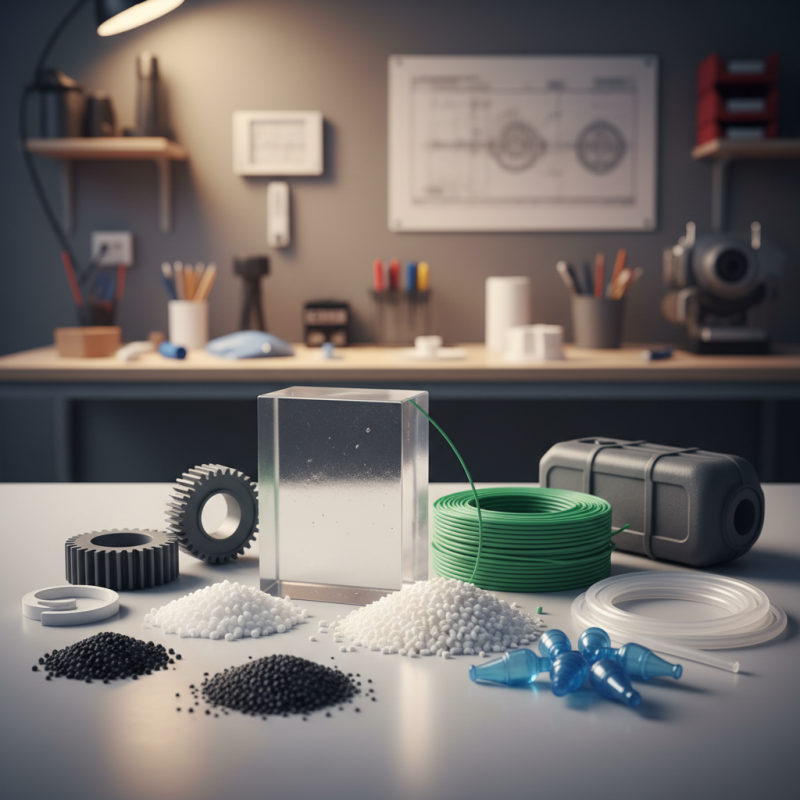
Choosing the right plastic resin for your projects is crucial. The selection impacts durability, flexibility, and aesthetics. Each type of plastic resin has unique properties. Some are strong and heat-resistant. Others offer flexibility and transparency. Understanding these differences is essential for any project.
Consider what you need from your plastic resin. Will it face harsh weather? Or will it be used for intricate designs? Each application requires a different approach. Many project leads overlook these details. Mistakes can lead to waste and unforeseen costs. Reflect on your goals before making a choice.
Research and compare materials carefully. Look beyond just price. The right resin can save time and effort in the long run. It influences the success of your work. Take your time to make an informed decision. Quality and purpose matter. Each project deserves the best foundation.
Understanding Different Types of Plastic Resins and Their Properties
Choosing the right plastic resin can greatly impact your project's success. Each type of resin possesses unique properties that can influence performance, durability, and appearance. Popular categories include polypropylene, polystyrene, and polycarbonate. According to industry data, polypropylene boasts excellent chemical resistance, making it suitable for automotive applications.
Tips: Always consider the required strength and flexibility.
Polystyrene, on the other hand, is easy to mold and inexpensive. However, it has a lower thermal resistance. This makes it ideal for packaging but not for high-heat applications. Polycarbonate is known for its toughness and optical clarity, making it preferred for eyewear and protective gear. Yet, it can be more expensive than other options.
Tips: Experiment with samples before making bulk purchases.
Understanding the properties of each resin enables better decision-making. Keep in mind that material availability may vary. Researching local suppliers can save time and ensure you meet project deadlines. Balancing cost with performance is essential. Avoid settling on the first option presented. Conduct thorough evaluations to find the best fit for your needs.
Understanding Different Types of Plastic Resins and Their Properties
Evaluating Project Requirements: Strength, Flexibility, and Durability
When selecting a plastic resin, understanding its properties is crucial. Focus on strength, flexibility, and durability. Each project has unique demands. Some require tough materials, while others need flexibility. Consider the function of your project before making a decision.
**Tip:** Look at the environmental conditions. Will your project face extreme temperatures or moisture? Choose a resin that can withstand the specific environment it will be in.
Strength is often essential for load-bearing items. For instance, if building structural components, opt for high-strength resins. These materials can resist stress and last longer. However, they can be rigid. Flexibility might be required for products like gaskets or seals. In such cases, softer, more pliable resins are suitable.
**Tip:** Test samples when possible. Small samples allow you to evaluate performance in real-world conditions. It's an effective way to gauge how well a resin will meet your needs. Always remember, your project might require a balance of different resin properties. Think critically about your choices.
How to Choose the Right Plastic Resin for Your Projects?
| Resin Type |
Strength (MPa) |
Flexibility (Shore D) |
Durability (Impact Resistance) |
Typical Applications |
| ABS |
40-55 |
80-90 |
High |
Automotive parts, consumer products |
| PVC |
40-60 |
70-80 |
Moderate |
Pipes, fittings, electrical insulation |
| Polyethylene |
20-30 |
40-70 |
Moderate |
Bottles, bags, containers |
| Polycarbonate |
60-70 |
80-90 |
Very High |
Safety goggles, eyewear lenses, electronic components |
| Nylon |
70-90 |
75-85 |
Moderate |
Textiles, automotive, industrial parts |
Assessing Environmental Impact and Recycling Options for Resins
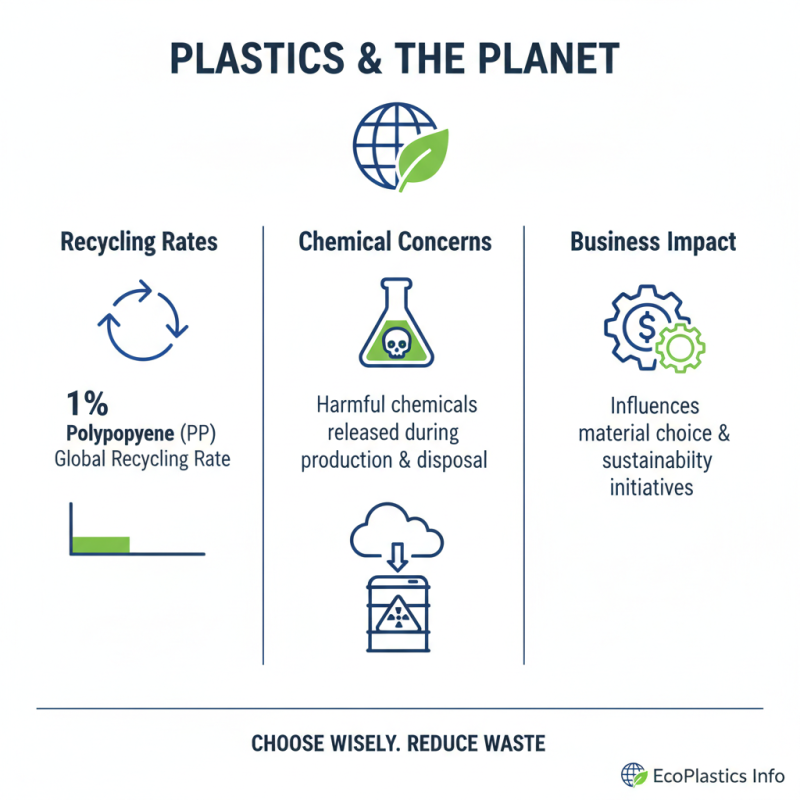
When choosing plastic resins for your projects, it’s vital to consider their environmental impact. Various plastic resins have different recycling capabilities. For instance, polypropylene has a recycling rate of about 1%, according to industry studies. This significantly affects how businesses approach their plastic usage. Furthermore, some resins release harmful chemicals during production and disposal, raising serious environmental concerns.
Tips: Always look for eco-friendly options. Research the recycling protocols of each resin type. Seeking out bioplastics may also offer sustainable solutions, but be cautious—they may not perform as well in some applications. Understanding these factors can help you make safer decisions.
Recycling options vary widely among resins, with PET being one of the most widely recycled types. It is often recycled into new containers or fibers. However, only a small percentage of plastic products are actually recycled. The gap between plastic production and recycling highlights the need for improved waste management systems. Exploring local recycling programs is essential to minimize your project’s carbon footprint and bolster sustainability efforts.
Considering Cost and Availability of Various Plastic Resins
When selecting the right plastic resin, cost and availability are crucial factors. Different resins vary in price. For example, some may be affordable but not widely available. Others are pricier but readily accessible. Knowing your budget is key. This shapes your options and decisions. Before making a choice, research current market prices and availability. This helps avoid unexpected expenses later.
Consider the project requirements too. The resin must meet your specific needs. Will it be used for outdoor items? Then you might need UV-resistant types. Some resins are easier to source than others. Check local suppliers and online shops. However, be aware that delivery times can affect your timeline. A resin that is cheap today might take weeks to arrive.
It's smart to think about potential shortages or price fluctuations. Sometimes, a seemingly perfect option turns out to be a challenge. Stay flexible in your choices. Be ready to pivot if necessary. An ideal resin today might be hard to find tomorrow. Gathering alternatives will enhance your project planning. Keep an open dialogue with suppliers for updates, as the market changes constantly.
Making an Informed Decision: Testing and Prototyping with Resins
Testing and prototyping with various plastic resins is crucial. A recent study found that nearly 70% of engineers rely on physical testing before finalizing their material choice. This step helps ensure that the selected resin meets the design requirements. Factors like tensile strength, impact resistance, and thermal stability must be assessed.
It is wise to run experiments with different resin types. For instance, one might start with ABS for its strength and ease of use. Alternatively, polycarbonate is excellent for applications requiring high clarity and impact resistance. However, sometimes the initial guess is wrong. You may choose a resin that sounds perfect, only to discover flaws in real-world applications.
Analyzing the weight, cost, and processing conditions remains essential. According to industry reports, about 40% of projects face delays due to incorrect material choices. Prototyping can reveal unexpected behavior, so iterative testing saves time and resources. Tweak your approach based on your findings, and don’t hesitate to reconsider your material choices.