What is the Concrete Batching Plant Process Explained
The Concrete Batching Plant Process plays a crucial role in modern construction. Understanding this process is key for achieving high-quality concrete. It involves several stages, each requiring precision and attention to detail. Concrete batching plants mix various ingredients to produce concrete with desired properties. These ingredients often include cement, water, aggregates, and additives.
At the heart of the Concrete Batching Plant Process is the precise measurement of all components. This ensures consistency and reliability in the final product. Various types of equipment work together, including mixers, silos, and conveyors. Each piece has its own importance in maintaining the flow and quality of materials. Operators must monitor every stage to prevent errors.
While the process seems straightforward, challenges can arise. Variations in raw materials can impact the quality of concrete. An experienced operator recognizes these issues and adjusts the batching accordingly. Continuous learning and adaptation are vital in this industry. Reflecting on these practices helps improve efficiency and reliability over time.
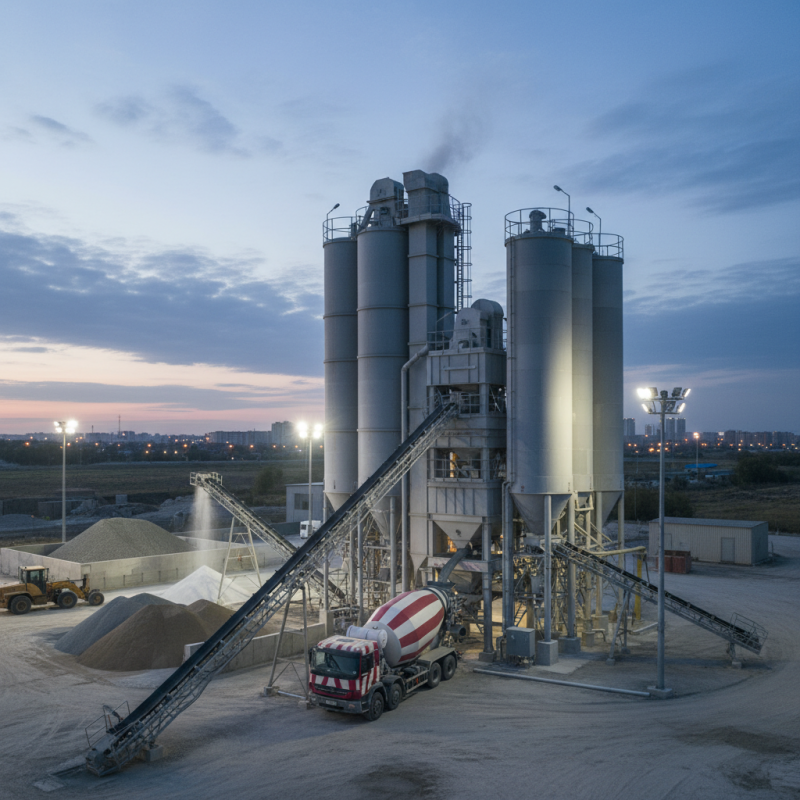
Understanding Concrete Batching Plants: An Overview
Concrete batching plants play a crucial role in modern construction projects. These facilities blend various materials to create concrete, a fundamental building block. Understanding the process behind concrete batching is essential for industry professionals. According to a report by the Concrete Plant Manufacturers Bureau, efficient batching processes can improve overall project time by up to 20%.
One key aspect of batching plants is their ability to produce consistent concrete mixes. This consistency is vital for structural integrity. Professional insights suggest that precision in measurement and mixing can lead to a significant decrease in material wastage, sometimes by as much as 15%. However, improper batching can result in poor quality concrete. Many plants struggle to maintain accuracy, leading to fluctuating strengths in the final product.
Tips: Regular maintenance of batching equipment is essential. Schedule checks to avoid unexpected downtimes. Additionally, always calibrate your scales and mixers for optimal precision. Monitoring environmental conditions can also influence the mixing process. Stay vigilant about external factors, as they can impact your batch quality. Understanding these elements is key to successful concrete production.
Key Components of a Concrete Batching Plant Explained
Concrete batching plants play a crucial role in construction projects. Understanding their key components is vital for efficient operations. The primary element is the mixer. It blends aggregates, water, and cement to create concrete. This process requires precision. Variations in mixing time can affect the final product's strength.
Another essential component is the aggregate storage. It holds sand, gravel, and other materials. Proper storage prevents contamination. Regular maintenance is needed to avoid material degradation. The accuracy of measurement systems also impacts quality. If incorrect amounts are used, the concrete may not meet specifications.
We must also consider the water supply system. Water plays a significant role in concrete hydration. Insufficient water can compromise the mix. Conversely, too much water weakens the structure. Moreover, the control system ensures all components function harmoniously. A failure here can disrupt the entire batching process. Understanding these components helps improve efficiency and quality. Regular reviews of the system can reveal potential issues. Each detail matters in delivering durable concrete.
The Concrete Batching Process: Step-by-Step Breakdown
The concrete batching process is essential for producing high-quality concrete. This process involves multiple steps, each crucial for the final product. The first step is the precise measurement of raw materials. These materials usually include cement, aggregates, water, and additives. Measuring each component accurately affects the mix's strength and durability.
Mixing comes next, where the measured materials blend in a batching plant. These facilities use mixers that vary in size and design. Some mixers operate continuously, while others batch small amounts. This step demands careful control to ensure a homogenous mix. Inadequate mixing can lead to weak concrete with uneven properties.
After mixing, the concrete undergoes a quality check. This part is often overlooked but vital. Testing the mix for consistency ensures it meets safety standards. Influencing factors include temperature and humidity, which can alter the mix's performance. Attention to these details is necessary for reliable results. Sometimes, adjustments are needed, reflecting the complexity of the batching process.
Concrete Batching Plant Process: Monthly Production Volume
Quality Control in Concrete Production: Best Practices
Quality control in concrete production is vital for ensuring durability and performance. It involves monitoring materials, processes, and final products. Each component must meet specific standards. From aggregate size to water-cement ratios, every detail counts. For instance, improper mixing can lead to weak concrete. Regular testing of concrete samples helps identify issues early on.
Maintaining consistent quality means paying attention to environmental factors. Humidity and temperature can affect curing times. Careful timing is necessary. Workers should receive training on best practices in quality control. Understanding the science behind concrete helps them make informed decisions. Mistakes happen. Reflecting on past projects can reveal insights for improvement.
Documentation plays a key role in quality assurance. Keeping thorough records helps track any anomalies in production. This data can clarify the impacts of various materials on the final product. Concrete is a complex mixture, with many variables at play. Continuous learning and adaptation are essential for a successful operation.
What is the Concrete Batching Plant Process Explained - Quality Control in Concrete Production: Best Practices
| Process Step | Description | Quality Control Measures | Best Practices |
| Raw Material Selection | Choosing high-quality aggregates, cement, and water. | Regular testing of materials for compliance with standards. | Conduct supplier audits and tests. |
| Batching | Exact measurement of ingredients based on mix design. | Use of electronic weighing systems for accuracy. | Regular calibration of weighing equipment. |
| Mixing | Thorough blending of materials in a mixer. | Monitoring mix consistency and temperature. | Routine mixer maintenance and inspections. |
| Transporting | Transfer of mixed concrete from plant to site. | Use of insulated trucks to maintain temperature. | Plan logistics to minimize transport time. |
| Pouring | Placement of concrete in forms at the job site. | Inspections for proper placement and vibrational settling. | Ensure clear communication among crew members. |
| Curing | Maintain moisture and temperature for hardened concrete. | Monitor humidity and temperature conditions. | Use curing compounds and cover with wet burlap. |
Common Challenges in Concrete Batching and Solutions
In the concrete batching industry, challenges are commonplace. One major issue is material inconsistency. Variations in aggregate size, moisture content, and specific gravity can affect the final mix. According to a recent study, about 30% of batching plants face this problem, leading to variability in concrete quality. Addressing this requires strict quality checks and standardized testing protocols.
Another common challenge is equipment malfunction. Downtime can significantly delay projects and increase costs. Research shows that up to 15% of maintenance time in plants results from inefficient monitoring systems. Investing in real-time tracking and predictive maintenance offers a proactive solution. Regular training for operators can also enhance equipment handling, reducing errors and improving efficiency.
Moreover, environmental regulations pose challenges to concrete batching plants. The industry must often adapt to stricter emissions standards. A 2022 report indicated that over 50% of plants encounter compliance hurdles. Innovative solutions like eco-friendly materials and dust suppression systems are essential. Recognizing and adapting to these challenges can lead to improved operations and sustainable practices.