What Is an Electric Nursing Bed and Which Type Is Best?
An electric nursing bed is a powered care bed designed to support safer positioning, rest, and daily assistance. Its motorized sections can raise the back, lift the knees, or adjust the overall height. These movements may help a person sit up for meals or transfer more comfortably. They can also reduce bending and strain for caregivers. Small details matter. A quiet motor, readable hand control, and smooth movement can change the daily experience.
However, there is no single best model for every user. A bed for an older adult recovering at home may differ from one used in long-term care. The ideal choice depends on mobility, body size, fall risk, mattress compatibility, and available room space. Some users need full-height adjustment. Others may benefit more from a low-position frame, secure side supports, or easy-clean surfaces. Comfort is personal. It is not always predictable from product photos.
This guide compares common electric nursing bed types and explains where each design fits. It considers practical observations from home-care routines, clinical recommendations, safety features, and manufacturer specifications. Buyers should also discuss positioning needs with a qualified nurse, occupational therapist, or physician. A feature can sound useful but create difficulties when poorly matched. That happens. Reliable selection requires checking weight limits, emergency lowering options, warranty coverage, and control access. The goal is not the most advanced bed. It is a stable, suitable bed that supports dignity, comfort, and safer care every day.
What Is an Electric Nursing Bed?
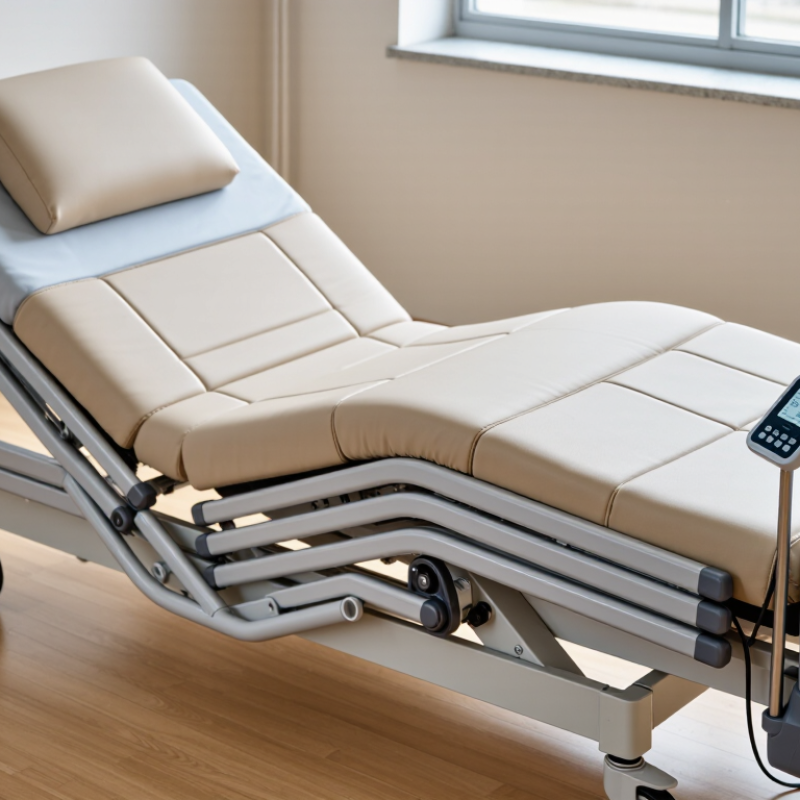
An electric nursing bed is an adjustable bed powered by quiet motors. A hand control changes the backrest, leg section, or overall height. Some models also tilt the mattress platform. This movement helps a person sit up, rest, transfer, or receive care with less physical strain.
Unlike a standard household bed, it supports daily nursing tasks. A raised surface can reduce bending during dressing or repositioning. A lowered surface may help reduce injury risk when the user gets in or out of bed. Side rails, locking wheels, and a firm mattress platform can add support, but they are not automatically safe for everyone. A healthcare professional should assess mobility, cognition, skin condition, and fall risk before selecting these features.
The best type depends on the user’s actual needs. A three-function bed may suit someone who needs back and leg adjustment. A height-adjustable model can be more practical for caregivers and transfer equipment. Bariatric versions provide wider support for larger body sizes. I once underestimated how important the hand control layout could be. Small buttons may confuse tired users. Simple controls matter. Noise, cleaning access, emergency lowering, and mattress compatibility also deserve careful checking. Comfort is important, but positioning must not block breathing or create pressure points.
How Does an Electric Nursing Bed Work?
An electric nursing bed uses low-voltage motors to change the mattress platform’s height, backrest, thigh section, and leg angle. A handheld pendant sends signals to these motors. The caregiver can raise the backrest while a patient eats, then lower it for rest. Some models also tilt the whole platform, but this function requires careful clinical judgment.
The mechanism is simple, not risk-free. The U.S. Food and Drug Administration reported 803 hospital-bed entrapment incidents between 1985 and 2009, including 480 deaths. This figure explains why rail gaps, mattress size, and patient movement require regular checks. A bed should lock firmly before transfers. Cables must stay away from wheels and moving joints. It sounds obvious. It is still missed.
The World Health Organization’s 2022 Global Report on Assistive Technology estimates that more than 2.5 billion people need at least one assistive product. An electric nursing bed can reduce bending for caregivers and support safer repositioning, but it does not replace supervision. Height adjustment should match the task: low for sleep, higher for nursing care, and stable during transfers. My practical concern is often overlooked: users may trust the remote control too much. A trained caregiver should inspect the bed, brakes, rails, and emergency lowering function before daily use.
Which Electric Nursing Bed Is Best for Different Needs?
Choosing the best electric nursing bed depends on the user’s condition, room, and daily care routine. A basic adjustable bed may suit someone who needs help sitting up or changing position. It usually offers powered backrest and leg adjustment. For users with limited mobility, a full electric model can reduce lifting during transfers. Caregivers may also prefer a height-adjustable frame, especially when providing hygiene care.
Users at risk of pressure injuries may need a bed with a firm, pressure-redistributing mattress. People recovering from surgery might benefit from smooth elevation and an easy-to-reach handset. A low-position bed can reduce injury risk during nighttime movement. Taller users should check the sleeping surface length. Heavier users need verified weight capacity, not a guessed number. Side rails can support repositioning, but they should be assessed carefully by a qualified healthcare professional. More features are not always better. Sometimes, a simpler bed is safer and easier to operate.
Tips: Measure the room, doorway, and care space first. Ask a nurse or occupational therapist to assess transfers and positioning. Test the handset with the intended user. Check emergency lowering, battery backup, wheel locks, and cleaning access. Keep cables away from walking paths. Review the bed after a few weeks, because needs can change. I would not choose based on appearance alone. Comfort, safe handling, and reliable adjustment matter more.