Why Are Water Storage Tanks Essential for Homes?
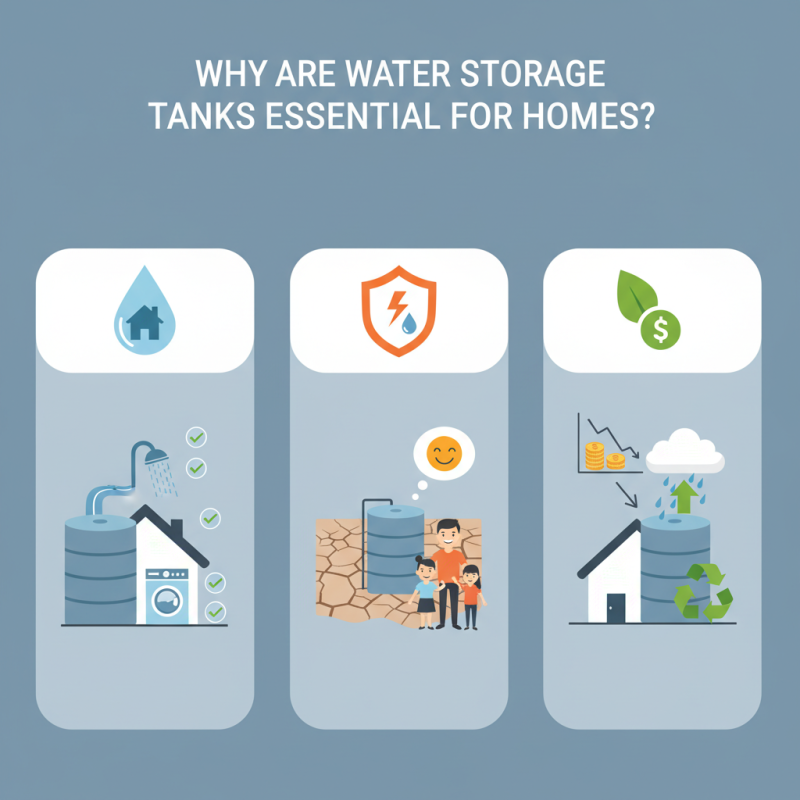
Water storage tanks for homes play a crucial role in ensuring a steady water supply. Many people overlook their importance until a crisis arises. These tanks help store water for everyday use, especially during dry seasons or emergencies.
Imagine facing a sudden water shortage or a plumbing issue. Without water storage, daily activities become challenging. Households struggle to wash dishes, clean clothes, or even take a shower. Having a reliable water source creates peace of mind.
Moreover, water storage tanks can save costs in the long run. They reduce reliance on municipal water systems and help in water conservation. Many homeowners, however, may not fully understand their potential benefits. This can lead to missed opportunities for efficiency and savings. By recognizing the importance of water storage tanks, families can improve their living conditions significantly.
The Role of Water Storage Tanks in Residential Water Supply Systems
Water storage tanks play a vital role in residential water supply systems. They help ensure a consistent supply of water, especially during peak demand. Many homes rely on these tanks for irrigation, drinking water, and daily usage. In fact, reports from the Water Research Foundation indicate that households can save up to 30% more water by utilizing storage tanks effectively.
Tips: Regularly check your water storage tank for leaks. A small leak can waste a lot of water over time.
Water storage also helps in managing pressure fluctuations. Systems can experience low water pressure during heavy usage times. Tanks can alleviate this problem by maintaining steady water pressure. Additionally, they are useful in emergency situations. Natural disasters can disrupt water supply. Homes with storage tanks are better equipped to handle these situations.
Tips: Consider the size of the tank based on your household needs. Too small may lead to shortages.
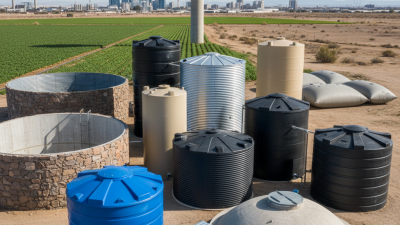
Yet, not all tanks are created equal. Some materials degrade faster than others, leading to contamination. Choosing the right tank is crucial. Homeowners should evaluate their options carefully. Regular maintenance is essential. Neglecting your system can lead to more significant issues down the road.
Why Are Water Storage Tanks Essential for Homes? - The Role of Water Storage Tanks in Residential Water Supply Systems
| Dimension |
Description |
Importance |
| Tank Capacity |
Volume of water the tank can hold, typically measured in gallons or liters. |
Determines how much water is available during peak usage times. |
| Material |
Common materials include plastic, fiberglass, or steel. |
Affects durability, maintenance needs, and water quality. |
| Location |
Placement of the tank can be above ground, below ground, or integrated into the home. |
Influences accessibility, protection from elements, and aesthetic considerations. |
| Maintenance Frequency |
How often the tank needs cleaning and inspection. |
Ensures optimal performance and water quality over time. |
| Usage |
Diverse applications such as drinking, irrigation, and household chores. |
Vital to assess supply needs based on household consumption patterns. |
Key Benefits of Water Storage Tanks for Homeowners and Families
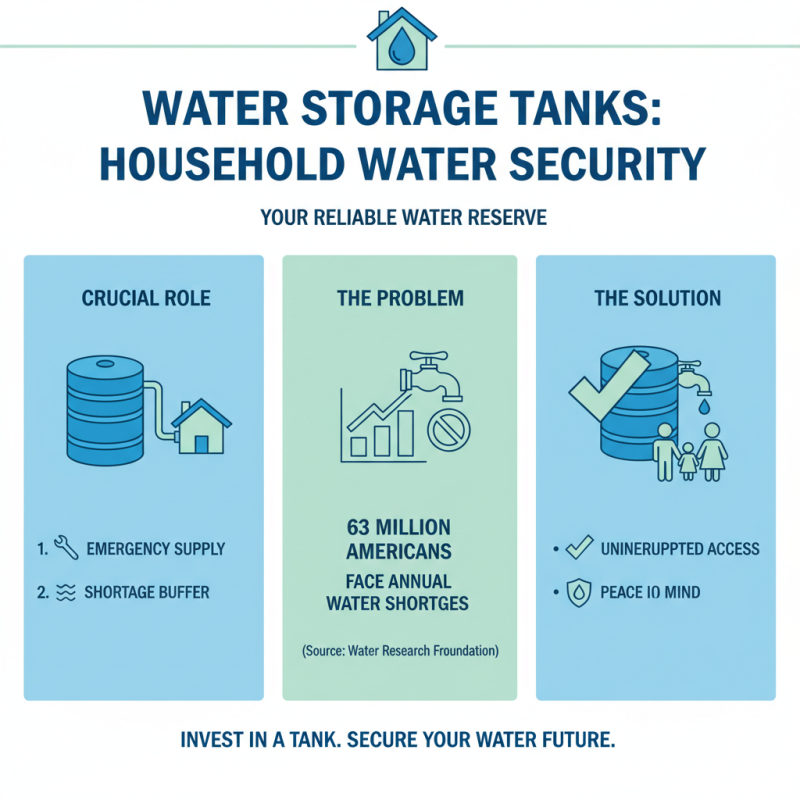
Water storage tanks play a crucial role in modern households. They provide a reliable water supply during shortages or emergencies. According to a report by the Water Research Foundation, an estimated 63 million people in the U.S. experience water shortages annually. A well-placed water storage tank can significantly alleviate this issue. It acts as a buffer, ensuring that families have access to clean water at all times.
The benefits extend beyond mere availability. Water storage tanks can lead to lower utility costs. By utilizing stored rainwater or off-peak water, homeowners can reduce their bills. A study from the American Water Works Association found that households using rainwater systems could save up to 50% on their water bills. Moreover, these tanks promote sustainability. Storing rainwater helps conserve valuable resources and reduces runoff, which can pollute local waterways.
However, installing and maintaining a water storage tank can be challenging. Homeowners must consider local regulations and potential health risks. Improperly maintained tanks can lead to algae growth or contamination. It's important to regularly check and clean these systems. Doing so not only ensures safe drinking water but also maximizes the tank's efficiency. Balancing the benefits with these responsibilities is essential for any homeowner.
Statistics on Water Demand and Storage Capacity Needs in Urban Areas
In urban areas, water demand is at an all-time high. Cities have grown rapidly, leading to increased pressure on existing water supply systems. For instance, research shows that some cities face a 30% gap between water demand and supply during peak hours. Storing water effectively helps bridge this gap.
Water storage tanks are crucial in this context. They provide a reliable reserve for households. During dry spells or service interruptions, these tanks ensure that families have access to clean water. Many homes need tanks with capacities ranging from 1,000 to 5,000 liters, depending on specific water usage patterns. However, not all homes are equipped with adequate storage solutions.
The situation demands reflection on our current infrastructure. Many urban areas still lack proper water storage facilities. This inadequacy can lead to water shortages. Without diligent planning and investment, we risk compromising water security for future generations. It's essential to evaluate how we manage our water resources now.
Water Storage Capacity Needs in Urban Areas
Impact of Water Storage Tanks on Emergency Preparedness and Conservation
Water storage tanks play a vital role in emergency preparedness. They provide households with a reliable water supply during crises. Natural disasters can disrupt regular water access. In such instances, a storage tank filled beforehand can ensure families have water for drinking, cooking, and hygiene.
Moreover, these tanks encourage conservation habits. People often fill them with rainwater or recycled water. This practice reduces reliance on municipal sources. It also promotes sustainable living. However, not everyone thinks of maintaining these tanks. Stale or contaminated water can pose health risks. Regular checks are essential for safe usage. This oversight highlights a gap in community awareness and preparedness.
Water storage solutions can enhance property value. Yet, many homeowners overlook their benefits. Raising awareness about these systems is critical. Understanding proper maintenance can turn a simple tank into a lifesaver. Proper education can empower communities to be better prepared.
Best Practices for Maintaining and Monitoring Home Water Storage Tanks
Maintaining and monitoring home water storage tanks is crucial for safety and efficiency. Regular inspection is essential. Check for leaks and rust. A single leak can result in significant water loss over time. Ensure the tank is clean. Sediment build-up can affect water quality. When was the last time you inspected your tank?
Temperature fluctuation can impact tank performance. Insulation can help maintain temperatures. This is particularly important in colder climates. Don't forget to check the inlet and outlet valves. These should be free from debris. Neglecting them can lead to clogs. A clogged valve may cause overflows or pressure issues.
Monitoring water levels is equally important. Installing a level gauge can help. This simple device alerts you to low or overabundance situations. Water testing is also necessary. Regularly test for contaminants. It’s easy to overlook this important step. Consider the signs of water quality issues, such as color or odor. Make adjustments as needed.