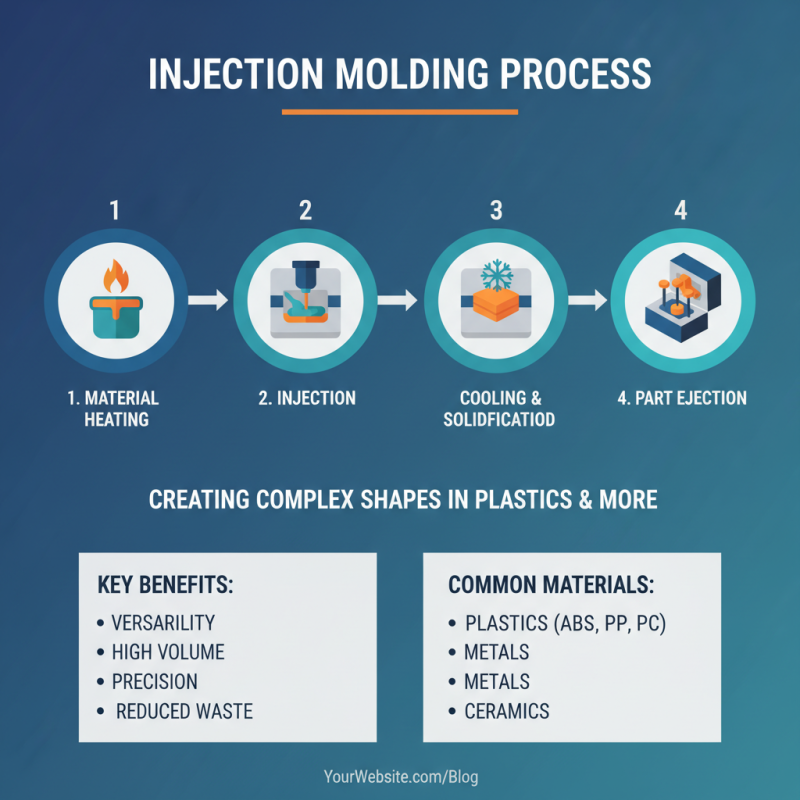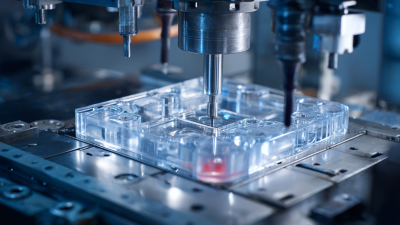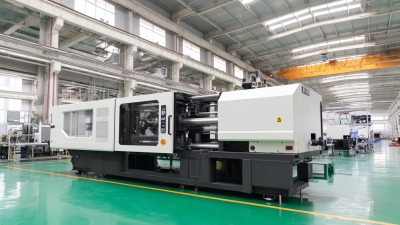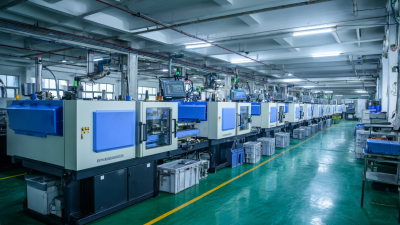
Injection molding is a manufacturing process widely used in various industries. It allows for the creation of complex shapes with precision. This process involves melting plastic pellets and injecting them into a mold. Once cooled, the molded parts are removed, ready for assembly or further processing.
This technique is efficient and can produce large quantities of parts in a short time. However, it requires careful planning and design. The mold design is critical, impacting both cost and quality. If mistakes occur, it can lead to defective parts.
Understanding injection molding involves grasping both its potential and its limitations. While the process is powerful, it demands expertise and experience. Exploring how this method works can reveal opportunities for innovation, as well as aspects needing improvement.
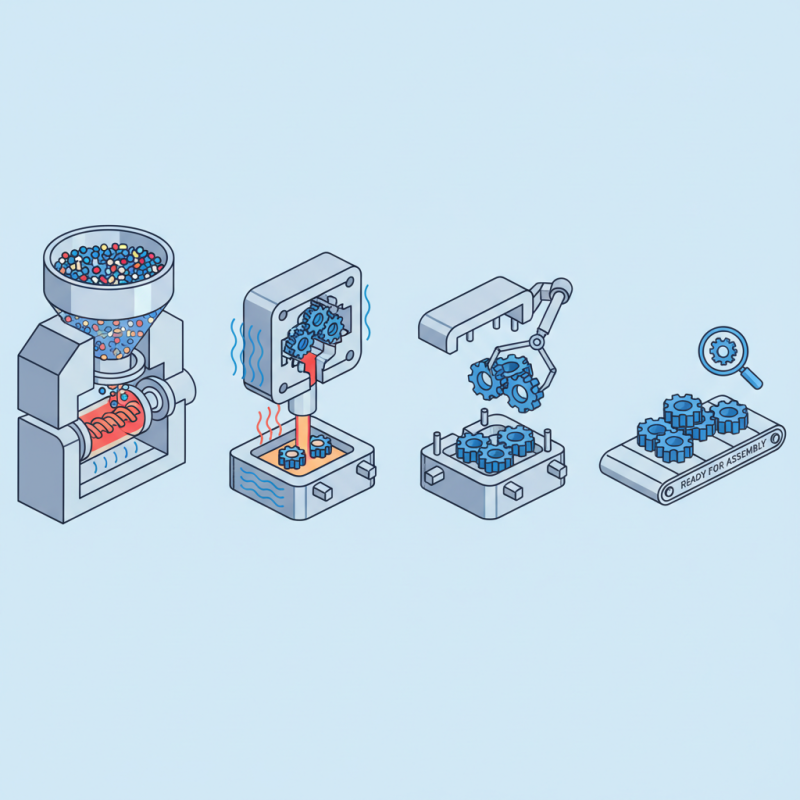
Injection molding is a manufacturing process used to create parts by injecting molten material into a mold. This technique is vital for producing complex shapes in a variety of materials, particularly plastics. The process begins with heated material being forced into a precisely designed mold. Once the material cools, it hardens into the desired shape.
This method allows for high-volume production and intricate designs. However, it’s not without challenges. The initial cost of molds can be high. If designs are not done properly, it can lead to waste. Small adjustments in temperature or pressure can impact the quality of the final product. It’s essential to get every detail right to prevent defects.
Overall, injection molding offers efficiency but requires careful planning. The pursuit of perfection may sometimes overshadow the realities of production. Mistakes can happen, and adjustments may be needed. Embracing these challenges can lead to better designs and improved processes in the long run.
The history and evolution of injection molding is fascinating. This process began in the 1800s when plastic was still a novel material. The first injection molding machine was invented by John Wesley Hyatt in 1872. He initially aimed to create billiard balls from celluloid. Over time, this method expanded beyond just billiard balls.
As the demand for more complex shapes grew, technology advanced. In the 20th century, electric and hydraulic machines became prevalent. These machines boosted the speed and efficiency of production. Factories started churning out a variety of plastic products. However, challenges arose. Some early molds did not withstand high pressures, leading to frequent breakdowns.
As materials improved, so did the methods of injection molding. Innovations like multi-cavity molds emerged, allowing for mass production of items like containers and toys. Yet, with all this progress, environmental concerns grew. The prevalence of plastic waste began to weigh heavily on industries. The journey of injection molding has been one of creativity, challenges, and adaptation. Each step shaped the industry, reminding us to balance innovation with responsibility.
Injection molding is a widely used manufacturing process that creates intricate parts from plastic materials. To understand how this method functions, it's essential to explore the key components of an injection molding machine. The machine comprises several critical parts that work in harmony to produce high-quality molded items.
The injection unit is vital. It melts plastic pellets and injects the molten material into the mold. This unit has a hopper that holds the plastic pellets. A screw or ram pushes the material forward, ensuring an even flow. Temperature control is crucial to prevent overheating. If the temperature is too high, it can degrade the plastic. This is something that often gets overlooked.
The clamping unit holds the mold in place during the injection process. It creates the necessary pressure to keep the mold closed while the plastic sets. If the clamping force is too weak, the mold can open slightly, causing defects. This area requires careful calibration. Observing the clamping unit's performance can reveal insights into common issues during production. Small adjustments can make a big difference. Understanding these components helps manufacturers improve their process and minimize waste.
This bar chart illustrates the different key components of an injection molding machine and their relative importance in the process, providing a visual representation of their significance in the functionality of the machine.
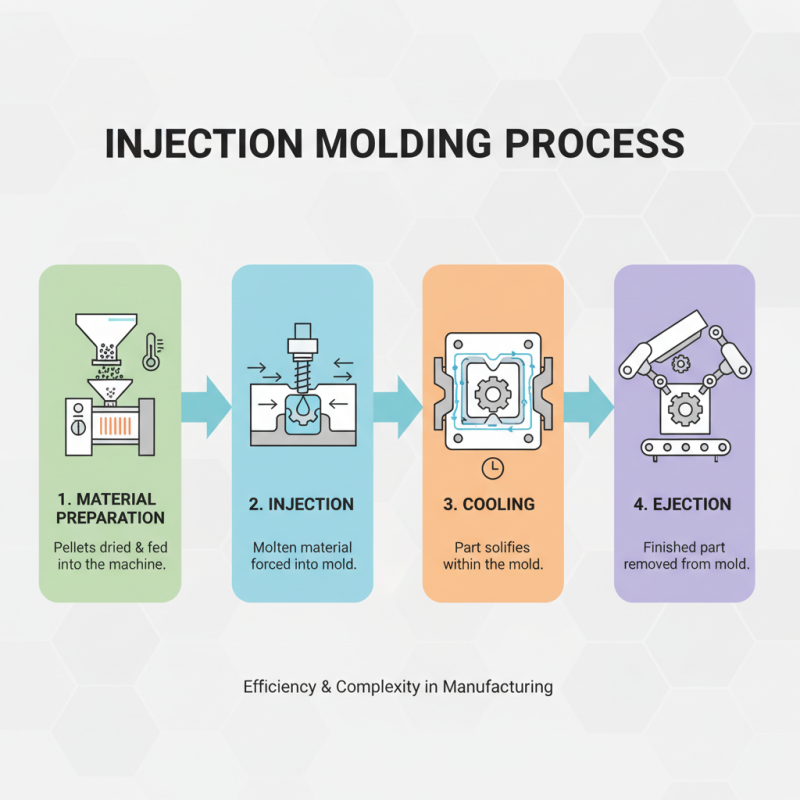
Injection molding is a widely used manufacturing process that creates parts by injecting molten material into a mold. Understanding the step-by-step process can illuminate its efficiency and complexity. The key stages include material preparation, injection, cooling, and ejection.
The process begins with polymer pellets being fed into a heated barrel. The temperature reaches around 200-300 degrees Celsius. Here, the pellets melt into a viscous liquid. Following this, the liquid is injected at high pressure into a pre-shaped mold. This can take mere seconds to minutes, depending on the part size.
Once the material fills the mold, it needs time to cool and solidify. Cooling times can vary based on the thickness of the mold and material properties. Typically, thicker parts require longer cooling periods. The cycle can affect production costs significantly; reports indicate that cycle time optimization can improve production efficiency by 30% or more. Finally, the mold opens, and the part is ejected, but not without risks. If ejection is too forceful, it can cause warping or damage to the part, necessitating recalibration of the system.
Injection molding represents a delicate balance of speed and precision. Continuous improvements in technology aim to refine the process further, yet challenges like material variability remain a focal point for manufacturers. Understanding these steps can equip industry professionals to address these intricacies effectively.
Injection molding is a key process in manufacturing. It is widely utilized across various industries, from automotive to medical devices. According to a recent market report, the global injection molding market size was valued at over $300 billion in 2022, with projections showing steady growth in the coming years.
In the automotive industry, injection molding is crucial for producing lightweight, durable parts. Components like dashboards, bumpers, and interior panels are frequently created using this method. For electronics, the precision of injection molding aids in making complex housings and connectors. The medical field benefits too, with sterile plastic components being manufactured efficiently and cost-effectively.
**Tip**: When considering injection molding, think about material choice. The right plastic can enhance product performance. However, not every material suits every application. Testing and prototyping are essential steps.
One challenge is the initial setup cost and time. Designing molds can be expensive. Minor design flaws can lead to significant production delays. Continuous optimization is vital to ensure quality and efficiency. Being open to feedback and making improvements can lead to better outcomes.
**Tip**: Invest in training for your team. Knowledgeable staff can spot design issues early. This reduces waste and saves money in the long run.