How to Master Blow Molding Techniques for Efficient Production?
Blow molding is a crucial manufacturing process used to create hollow plastic parts. This technique accounts for approximately 20% of all plastic processing in the industry. As reported by industry analysts, the blow molding market is projected to grow at a CAGR of 3.5% through 2027. This growth is driven by the increasing demand for lightweight packaging and components across various sectors.
Mastering blow molding techniques can lead to significant efficiencies in production. However, it requires a deep understanding of the materials and equipment used. Companies often struggle with achieving consistent quality and reducing waste. Common issues include improper cooling and inadequate material flow, which could lead to defects.
To succeed in blow molding, continuous improvement is essential. Adopting advanced technologies and optimizing processes can enhance output. Nonetheless, companies must also reflect on their practices regularly. Learning from errors is vital for progress. By focusing on efficiency and quality control, businesses can harness the full potential of blow molding techniques.
Understanding the Basics of Blow Molding and Its Applications
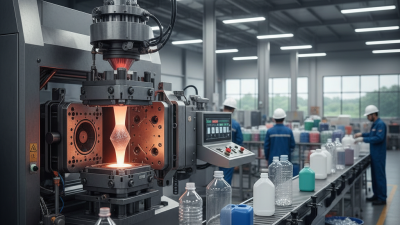
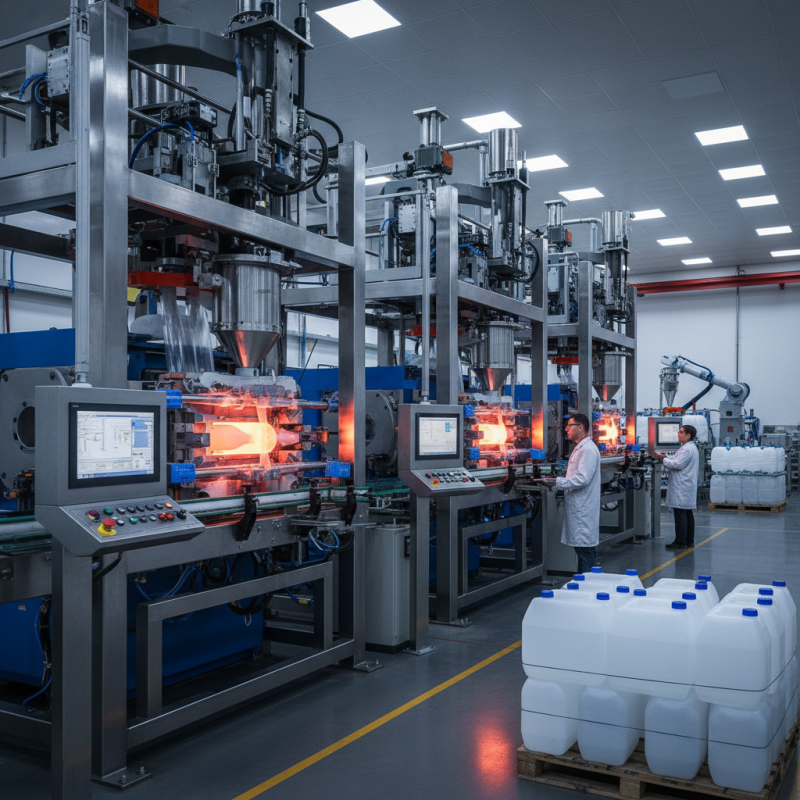
Blow molding is a technique used to create hollow plastic parts. It involves inflating a heated plastic tube until it conforms to the shape of a mold. This method is efficient for production and versatile in applications. Common products include bottles, containers, and automotive parts. Understanding this technique opens up various opportunities in manufacturing.
The process begins with material selection. Polyethylene and polypropylene are popular choices due to their properties. However, not all plastics mold well. Testing different materials can yield surprising results. Molds also require careful design. The wrong dimensions can lead to defects. Adjustments may be necessary. Mastering these aspects matters for successful production.
In practical application, operators face challenges. Variations in temperature can affect the material. Humidity plays a role too. Sometimes, products come out imperfect. These issues prompt a need for reflection. Continuous improvement is key in mastering blow molding. Embrace the learning curve, and ensure quality in every batch.
Key Types of Blow Molding Processes and Their Differences
Blow molding is a vital process in manufacturing. It also comes in several key types. Understanding these can enhance your production efficiency.
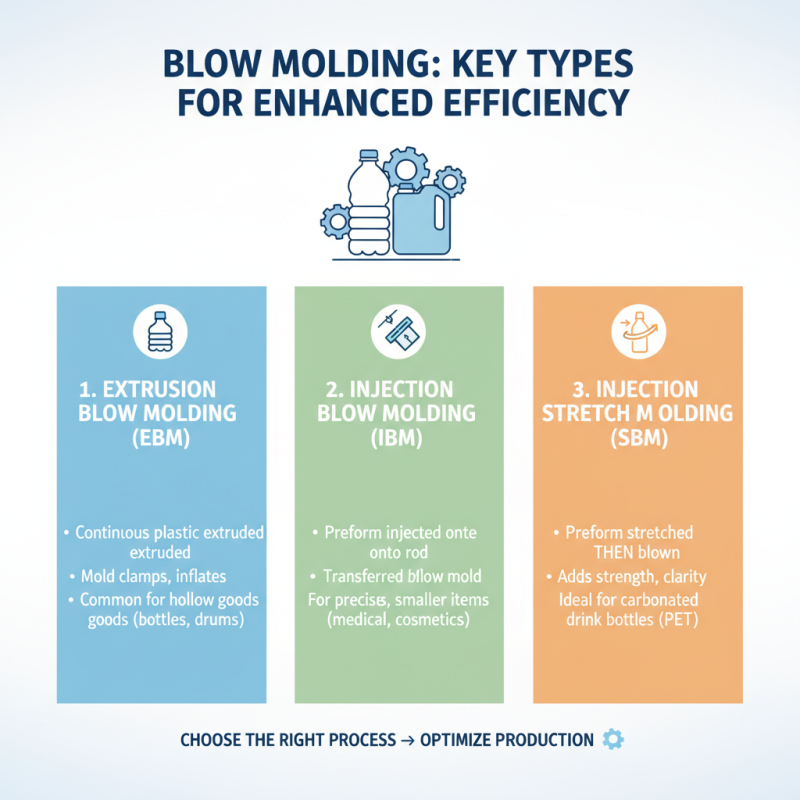
There are three main types: extrusion blow molding, injection blow molding, and stretch blow molding. Extrusion blow molding shapes plastic into a parison, which is then inflated. It’s cost-effective but less precise. Injection blow molding allows for finer details and complex shapes. However, it generally requires higher investments. Stretch blow molding is great for making bottles stronger. Each has distinct characteristics that suit different applications.
Tips: Choose the right process based on your product's requirements. Analyze the cost versus the level of detail needed. If precision is essential, injection blow molding may be your best choice.
In the industry, nearly 40% of manufacturers report issues with waste during production. This can stem from improper mold designs. Regularly reviewing and testing designs can minimize this waste. Additionally, investing in employee training can reduce errors.
Overall, mastering blow molding techniques involves not just learning the processes but also reflecting on production challenges. This will lead to more efficient and effective operations.
Essential Equipment and Technology for Efficient Blow Molding
Efficient blow molding requires the right equipment and technology. An essential component is the blow molding machine, which shapes plastic into desired forms. These machines come in various types, including extrusion and injection options. Each type has unique functions that suit specific production needs. Understanding these machines is crucial for achieving optimal efficiency.
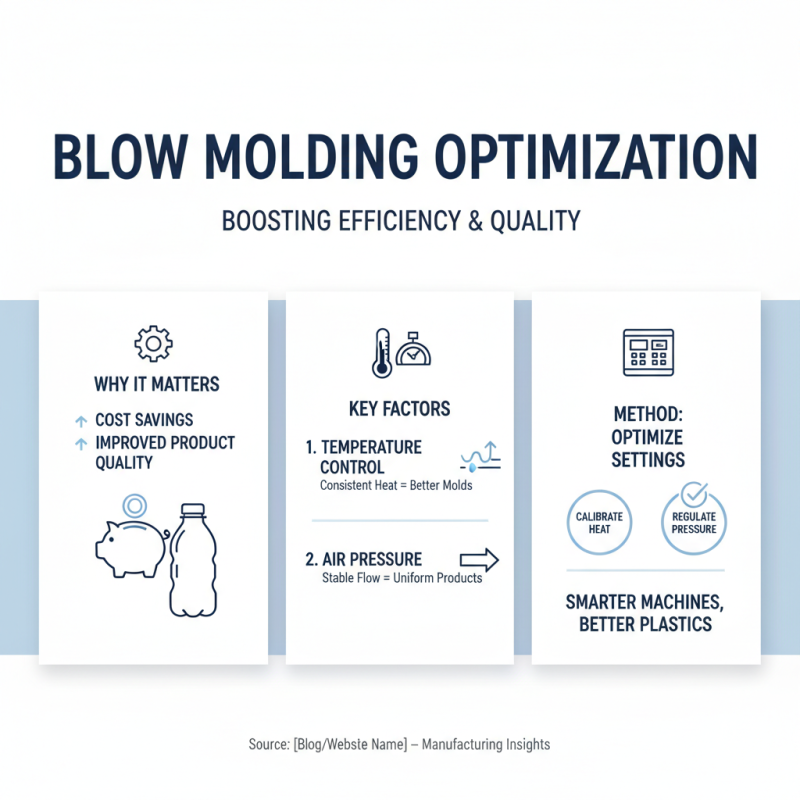
Another key element is the mold. High-quality molds ensure consistent production of uniform products. Investing in durable molds can reduce defects and minimize waste. Additionally, temperature control systems play a vital role. Maintaining precise temperatures during production affects the material's flow and final shape. Inconsistent temperatures can lead to quality issues that are difficult to troubleshoot.
Automation technology can enhance productivity as well. Automated systems reduce the need for manual labor, allowing for quicker turnaround times. However, integrating automated solutions requires careful planning. It's essential to train staff properly to operate these systems. Skipping this step can lead to errors and inefficiencies. Reflection on equipment choices and operational methods becomes necessary for continuous improvement.
Troubleshooting Common Issues in Blow Molding Operations
Blow molding is a widely used process for producing hollow plastic parts. However, troubleshooting common issues is vital for maintaining efficiency. According to a recent industry report, machinery malfunctions account for approximately 30% of production downtime in blow molding operations.
One major issue is inconsistent wall thickness. This can occur due to temperature fluctuations during the heating phase. If the preform is not uniformly heated, it will lead to weak points in the final product. Operators must regularly monitor temperature settings. Ensuring a precise heating profile could significantly reduce defects.
Another common problem is air pressure inconsistencies. Variations in within the air supply can cause weak spots in the molded item. Regular checks on air compressor performance are essential. Data shows that proper air management can increase production yield by up to 15%. Inadequate cooling is also a concern. If parts cool too slowly, they can warp or deform. Adjusting cooling times based on part size can mitigate this issue. Reflection on past errors can lead to better practices in the future.
How to Master Blow Molding Techniques for Efficient Production? - Troubleshooting Common Issues in Blow Molding Operations
| Issue |
Description |
Solution |
| Inconsistent Wall Thickness |
Variations in wall thickness can lead to product weakness. |
Check the preform design and adjust the air pressure settings. |
| Air Traps |
Air bubbles may form in the final product, affecting aesthetics and functionality. |
Optimize mold design and ensure complete melt processing. |
| Surface Imperfections |
Marks or scratches on the surface of the finished product. |
Regularly clean molds and use high-quality materials. |
| Short Shots |
Incomplete filling of the mold, resulting in defective products. |
Increase material feed and check for blockages in material flow. |
| Brittle Products |
Final products may break easily under pressure. |
Adjust cooling time and monitor material quality. |