What is Plastic Injection Molding and Its Benefits?
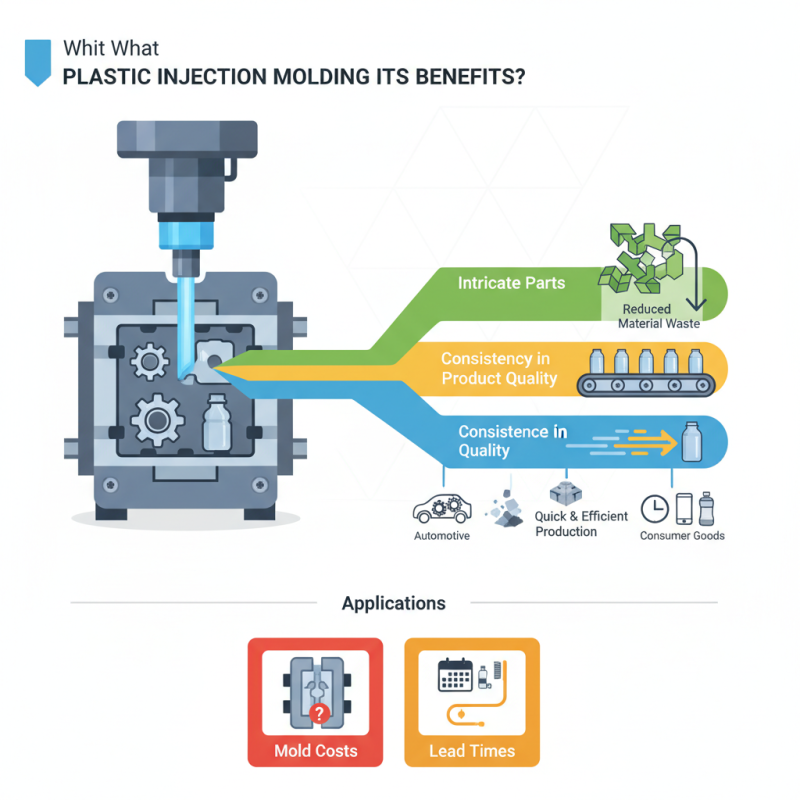
Plastic injection molding is a transformative process widely used in manufacturing. It allows companies to create intricate parts quickly and efficiently. This technique leverages the properties of plastics, making it advantageous across many industries. From automotive to consumer goods, the applications are extensive.
One significant benefit of plastic injection is the ability to produce complex shapes that are difficult to achieve through other methods. This reduces material waste and maximizes production efficiency. Moreover, it allows for consistency in product quality, meeting rigorous industry standards. However, not all designs suit this method. Designers must consider the limits of the material and process.
The expertise involved in plastic injection molding is crucial. Professionals must understand how different plastics behave under various conditions. This knowledge influences everything from mold design to the final product. Despite its advantages, challenges remain—such as mold costs and lead times. Continuous improvement and innovation are necessary in this field to meet evolving market demands.
What is Plastic Injection Molding? An Overview of the Process
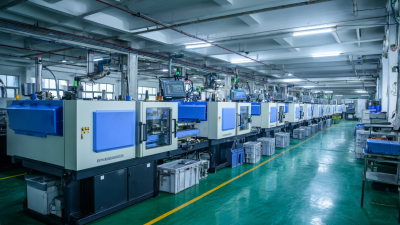
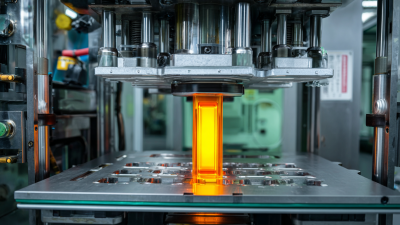
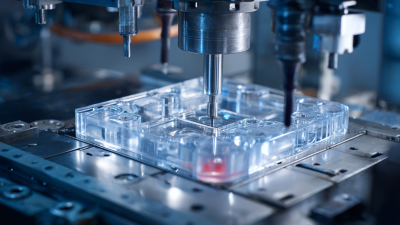
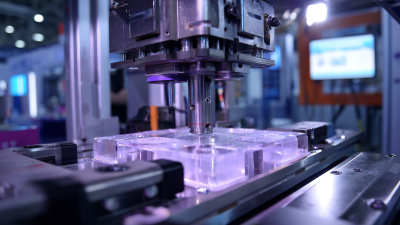
Plastic injection molding is a widely used manufacturing process. It transforms raw plastic pellets into finished products. During the process, plastic is heated until it melts. This molten plastic is then injected into a mold. The mold shapes the plastic into the desired form. Once cooled, the mold opens, and the solid part is ejected.
This method has significant advantages. It allows for high production rates, making it ideal for large runs. The molds can produce intricate designs with precision. However, creating molds can be costly and time-consuming. Not all designs are feasible due to these constraints. It’s essential to plan carefully and consider the whole process before committing. Understanding the materials is also crucial for achieving the best results.
In recent years, sustainability concerns have arisen. The reliance on plastic raises questions about environmental impacts. Companies are challenged to use recycled materials in their products. This shift requires innovation and adaptation. Balancing efficiency with eco-friendliness is an ongoing challenge in the industry.
Key Materials Used in Plastic Injection Molding: Types and Specifications
Plastic injection molding is a popular manufacturing process. It is known for creating complex shapes with high precision. The choice of materials is crucial for achieving desired product characteristics. Different types of plastics are used in this process, each offering distinct specifications.
Commonly used materials include thermoplastics and thermosetting plastics. Thermoplastics, like ABS and polycarbonate, are versatile. They can be remolded multiple times. This flexibility makes them ideal for prototypes and large batch production. On the other hand, thermosetting plastics, such as epoxy and phenolic, are permanent once formed. Their durability suits high-stress applications.
Evaluating material properties is key. Consider strength, temperature resistance, and weight. For some projects, the cost is also a factor. It’s important to note that not every material is suitable for every application. Understanding the specific requirements will lead to better choices. A misstep in material selection can impact performance and longevity.
Key Materials Used in Plastic Injection Molding: Types and Specifications
Benefits of Plastic Injection Molding: Efficiency, Cost, and Precision
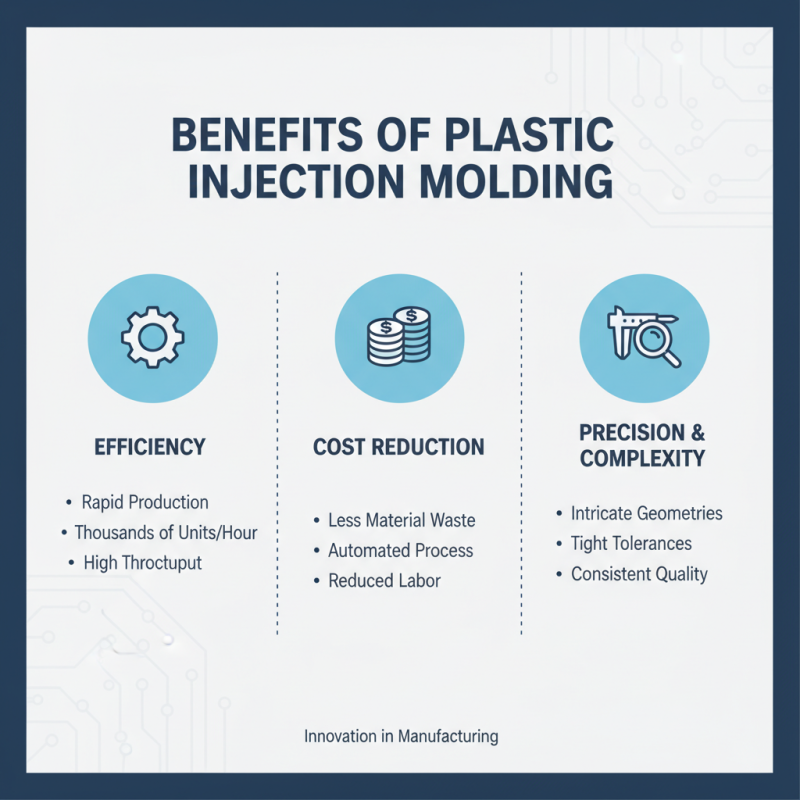
Plastic injection molding is a manufacturing process renowned for its efficiency. It allows for the rapid production of intricate parts. Studies suggest that this method can yield thousands of units in just one hour. The ability to create complex geometries, which are often impossible with other methods, is a game-changer.
Cost efficiency is another major benefit. The initial setup cost may be high, but the long-term savings are significant. According to industry reports, companies can see a reduction in production costs by up to 50% when using injection molding compared to traditional manufacturing methods. High-volume production spreads costs across many units, making individual items cheaper.
Precision is critical in many applications. Injection molding provides tolerance levels as tight as ±0.01 mm, ensuring parts fit perfectly. This level of precision minimizes waste and rework, enhancing overall production reliability. However, achieving this precision requires strict quality control during the injection process. Mistakes can lead to defects that are costly to rectify. Therefore, while the technology offers numerous advantages, it demands careful monitoring and adjustment.
Market Trends in Plastic Injection Molding: Data and Projections
The market for plastic injection molding is evolving rapidly. According to recent reports, the global plastic injection molding market is projected to reach approximately $390 billion by 2027. This reflects a compound annual growth rate (CAGR) of around 5% from 2020. Such growth indicates increasing demand across various sectors, including automotive, healthcare, and consumer goods.
One notable trend is the rising adoption of advanced technologies. Automation and smart manufacturing are reshaping production processes. For instance, implementing Industry 4.0 principles enhances efficiency and reduces waste. However, this shift requires significant investment and a skilled workforce. As such, many companies are still navigating the challenges of workforce training and technology integration.
Sustainability also plays a critical role in market dynamics. More manufacturers are seeking eco-friendly materials and processes. Data suggests that 55% of businesses plan to incorporate more recycled plastics by 2025. This presents both an opportunity and a challenge. Companies must balance environmental responsibility with cost-effectiveness. The ongoing transition may not happen overnight, but the potential benefits are significant.
Applications of Plastic Injection Molding Across Various Industries
Plastic injection molding is a key manufacturing process widely used across various industries. In automotive applications, it provides lightweight yet durable components, improving fuel efficiency. According to a report by the International Automotive Manufacturers Association, over 80% of automotive parts use plastic, demonstrating its critical role in modern vehicles.
In the consumer goods sector, injection molding produces items such as containers and household products at scale. The efficiency of production helps meet growing consumer demands. A study by the Consumer Product Manufacturers Association indicated that well-designed molds can reduce material waste by up to 40%. However, the process still poses challenges, such as high initial tooling costs and the environmental impact of plastic waste.
In electronics, plastic injection molding is crucial for creating components like casings and connectors. An analysis by the Electronics Industry Association found that about 60% of electronic enclosures are made from molded plastics. This highlights the versatility and efficiency of the process. Notably, quality control remains essential, as defects can lead to significant production delays and increased costs.