Why is Rotational Molding the Best Choice for Custom Plastics?
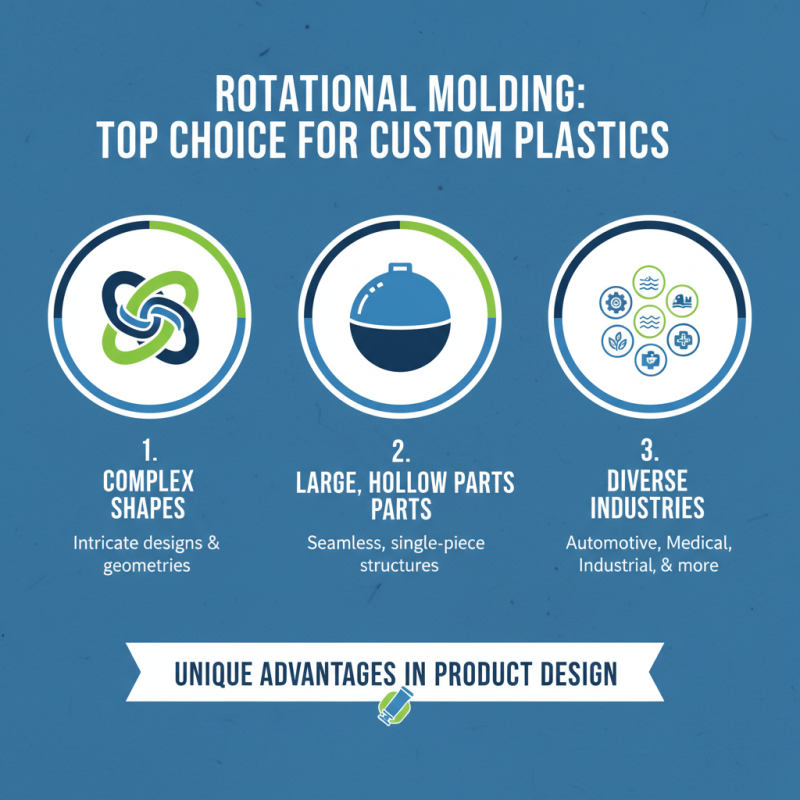
Rotational molding stands out as a premier method for creating custom plastics. This technique offers unique advantages that cater to diverse manufacturing needs. For instance, it allows for complex shapes and intricate designs that are hard to achieve through other methods.
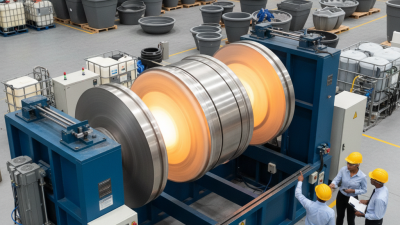
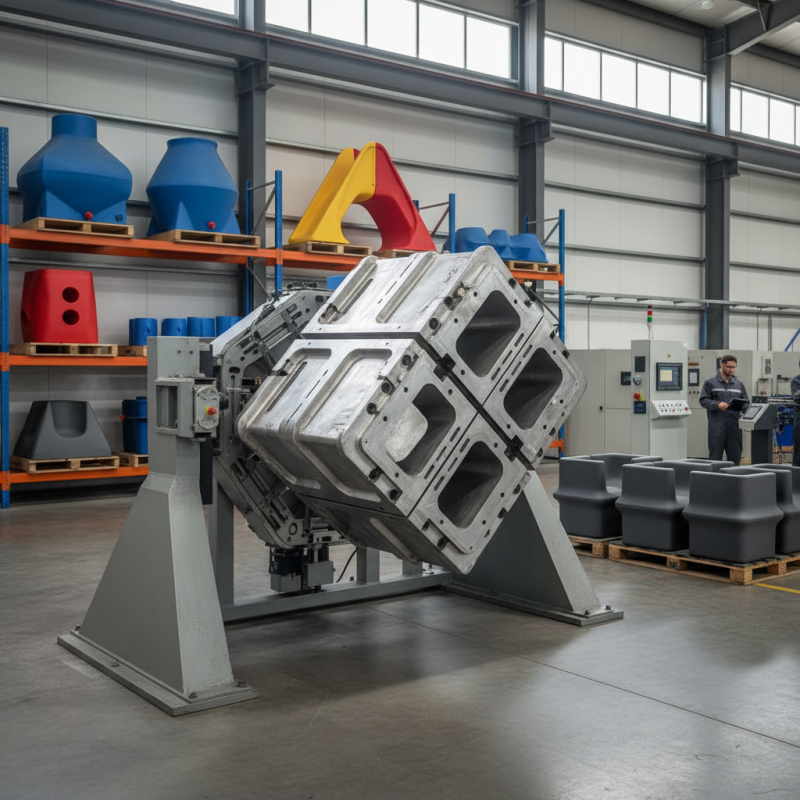
In rotational molding, manufacturers utilize hollow molds that rotate on two axes. This motion evenly distributes the plastic, resulting in uniform wall thickness. This characteristic can lead to cost savings in material and production. Moreover, the process is adaptable, accommodating both small and large production runs with ease.
There are challenges, of course. The initial mold creation can be costly and time-consuming. However, the long-term benefits often outweigh these drawbacks. With rotational molding, businesses can achieve high-quality products that meet specific requirements. This balance between cost, quality, and flexibility makes it an attractive choice for custom plastics.
Advantages of Rotational Molding for Custom Plastic Products
Rotational molding stands out as a top choice for custom plastics. This process offers unique advantages in product design. One significant benefit is the ability to create complex shapes. With rotational molding, you can achieve large, hollow parts that are not possible with other methods. These shapes can cater to diverse industries.
Cost-effectiveness is another advantage. The tooling costs are low compared to injection molding. This makes it ideal for small to medium production runs. Plus, the waste is minimal. The material is evenly distributed, resulting in fewer off-cuts.
Tips: To maximize benefits, consider your design carefully. Complexity can enhance functionality but may increase costs. Always assess your needs before finalizing a design. Additionally, ensure you communicate your specifications clearly with the manufacturer. Misunderstandings can lead to costly mistakes. Embracing a collaborative approach can streamline the process.
Key Materials Used in Rotational Molding Processes
Rotational molding is a popular process for creating custom plastics, and the choice of materials plays a crucial role.
Polyethylene is a common choice, known for its strength and versatility.
It’s lightweight yet durable, suitable for various applications, including containers and toys.
This type of material also boasts excellent resistance to UV rays, enhancing longevity outdoors.
Another significant material used in rotational molding is nylon.
This plastic is favored for its flexibility and chemical resistance.
It provides an excellent surface finish and can handle high-stress situations.
However, there are challenges with nylon.
It can absorb moisture, leading to dimensional changes.
This aspect requires careful consideration during the design phase.
Polypropylene deserves mention as well.
This material is known for its resilience and impact resistance.
It can be molded into complex shapes, providing excellent design flexibility.
Yet, not all designs may work seamlessly with polypropylene.
The risk of warping remains a factor, and manufacturers must take that into account.
Each material offers unique benefits, but potential drawbacks demand close attention during the entire molding process.
The Rotational Molding Process: Step-by-Step Breakdown
Rotational molding stands out for custom plastics due to its unique process. This method begins with heating a hollow mold while simultaneously adding plastic material. This material, often in powdered form, coats the interior of the mold as it spins. The even distribution of heat and motion ensures a uniform thickness in the final product.
During the cooling phase, the mold continues to rotate. This movement allows for precise shaping and minimizes defects. According to industry reports, this method can lead to wall thicknesses as low as 3mm. However, achieving the right balance in thickness remains critical. If not managed carefully, areas may be too thin or too heavy, impacting durability.
The process also allows for complex designs. Intricate shapes are possible without the need for additional assemblies. Reports indicate that 90% of manufacturers prefer rotational molding for custom shapes. Yet, precision in the design phase is essential. Revisions may be necessary if a design does not translate well into the rotational molding process. Consistent monitoring during production can help detect and address issues early on.
Advantages of Rotational Molding Compared to Other Plastic Manufacturing Processes
Applications of Rotational Molding Across Various Industries
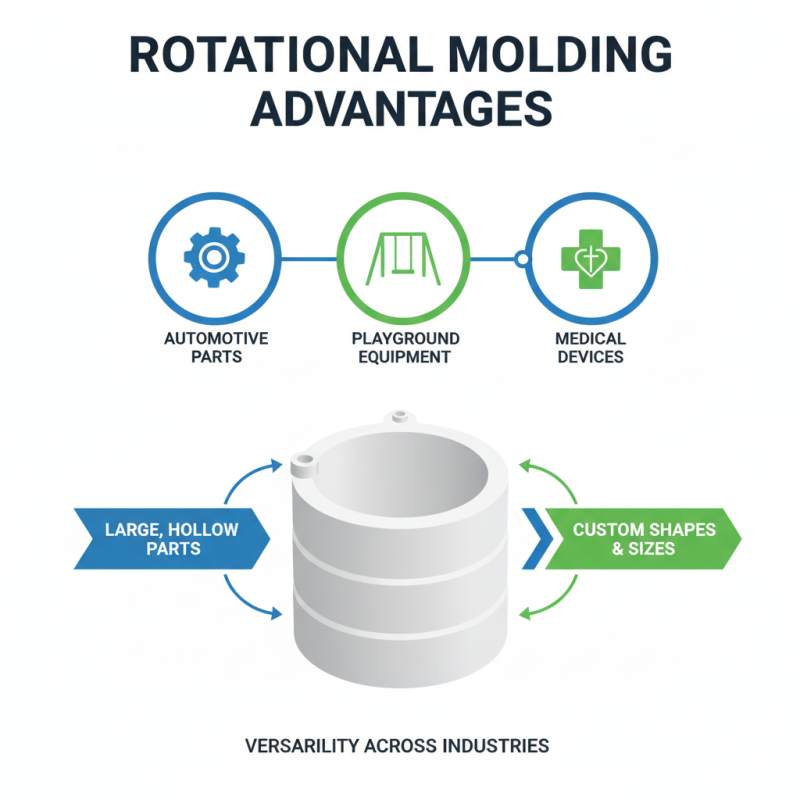
Rotational molding is gaining traction across various industries for its versatility. This process is ideal for producing large, hollow parts. These components can be found in playground equipment, automotive parts, and even medical devices. Each application requires unique specifications. The ability to customize shapes and sizes is a significant advantage.
In agriculture, rotational molding produces durable tanks for water and other liquids. They withstand tough environmental conditions. In the sports industry, it creates protective gear that is both lightweight and tough. However, achieving perfect consistency can pose challenges. Sometimes, parts may not meet precise tolerances. This requires careful monitoring and adjustments.
The automotive sector benefits from rotational molding as well. Fuel tanks and interior components are examples. Yet, the material choices can impact performance. Selecting the right resin is crucial but often overlooked. Each project can yield different results, highlighting the need for reflection and improvement in the process.
Cost-Effectiveness and Design Flexibility of Rotational Molding
Rotational molding stands out for its cost-effectiveness and design flexibility. This manufacturing process uses a rotating mold to produce hollow plastic parts. One significant advantage is the lower tooling costs compared to other methods. It requires fewer molds and less complex machinery. Therefore, businesses can save money upfront.
Another key aspect is the design flexibility it offers. Complex shapes and sizes can be achieved without costly modifications. Customization is often easier, accommodating various design changes. However, achieving intricate details can be challenging. It requires careful planning and sometimes trial and error in the design phase. This can lead to unexpected adjustments in the production process.
Moreover, the material choice in rotational molding is also flexible. Various plastics can be used, allowing for different textures and finishes. However, not every type of plastic is suitable for every application. This creates room for mistakes, particularly for those unfamiliar with material properties. Proper research is essential to prevent costly errors.
Why is Rotational Molding the Best Choice for Custom Plastics?
| Dimension |
Description |
Advantage |
| Cost-Effectiveness |
Lower production costs due to fewer material wastage and lower tooling expenses. |
Increased profitability and affordability for customers. |
| Design Flexibility |
Complex shapes and sizes can be achieved with minimal restrictions. |
Greater customization options for unique product requirements. |
| Material Variety |
Wide range of materials can be used to create various properties. |
Tailored solutions for specific applications and performance needs. |
| Durability |
Robust and long-lasting products, resistant to impacts and wear. |
Lower replacement costs and extended product lifecycle. |
| Low Production Volume |
Ideal for small batch productions, reducing upfront costs. |
Flexibility for startups and niche markets without high financial risk. |