Choosing among water storage tanks for homes is not as simple as comparing prices or advertised capacity. A 500-gallon tank may suit a small family, while a larger household may need several connected tanks. Available space matters too. A narrow side yard creates different demands than a spacious basement.
This guide examines ten practical options for household water storage. It considers tank materials, capacity, installation requirements, maintenance, durability, and intended use. Food-grade construction is essential when stored water may be used for drinking or cooking. Look for clear manufacturer specifications and recognized potable-water certifications, such as NSF/ANSI 61, where applicable. Outdoor tanks should also withstand sunlight, temperature changes, and heavy rain.
Small details can decide the better choice. A secure lid helps limit contamination. A smooth interior makes cleaning easier. A screened vent can reduce insects and debris. Access is important.
A neglected tank becomes a problem.
The comparison also considers emergency preparedness, rainwater collection, and everyday household use. However, no single tank fits every property. Local climate, water quality, household size, and building rules can change the final decision. Some tanks look affordable until delivery, foundations, pumps, and plumbing are included. That cost is easy to overlook.
This ranking is designed to support a careful purchase, not replace professional installation advice. It may not perfectly reflect every regional condition. Still, by weighing real-world limitations alongside manufacturer data, homeowners can identify a safer, more suitable storage solution.
A home water storage tank is a reservoir that holds clean water for later use. It can support drinking, washing, gardening, or emergency supply needs. Common tanks use polyethylene, steel, fiberglass, or reinforced concrete. Each material handles sunlight, temperature, and impact differently. The tank should stand on a level, strong base. A small tilt can create stress over time.
Water enters through an inlet pipe and leaves through an outlet near the bottom. A float valve can stop filling when the water reaches a safe level. An overflow pipe directs excess water away from walls and foundations.
In gravity-fed systems, the tank sits above the fixtures. Height creates pressure. In other homes, a pump sends water into the plumbing system. A pressure switch starts and stops the pump as demand changes. The system needs an air valve, filter, and backflow protection where appropriate.
Choosing among ten tank types depends on space, water quality, climate, and daily demand. A slim vertical tank may fit beside a garage, while a buried tank preserves outdoor space. Opaque walls help limit algae growth. Covered openings keep insects and debris out. Inspect the tank, pipes, supports, and lid regularly. Sediment can collect inside, even when the water looks clear. There is no perfect tank. A larger model is not always better, because stagnant water may create maintenance problems. Calculations should allow for guests, dry weather, and pump failure. I would also question any design based only on average use; real households rarely behave so neatly.
Comparing residential water storage tanks requires more than checking capacity and price. Capacity matters. Estimate daily use, emergency needs, and available refill sources before choosing a tank. A household with four people may need different storage from a seasonal property. Measure twice. A tank must fit through gates, doors, or stairwells without unsafe handling.
Material affects water quality, service life, and maintenance. Tanks designed for drinking water should carry recognized safety certification and use suitable internal surfaces. Plastic tanks resist corrosion, while steel options can offer strong structural performance when properly protected. Check sunlight exposure, temperature changes, and freezing risks at the installation site. Poor ventilation can also encourage condensation around fittings. Small details matter here.
Inspect the inlet, outlet, overflow, drain, access cover, and level indicator. These parts influence cleaning and future repairs. A wider access opening may make sediment removal easier. Compare installation costs, delivery requirements, warranty limits, and replacement-part availability. Local plumbing rules may also control placement and backflow protection. A cheaper tank can become expensive after excavation, supports, insulation, or pump upgrades. This is where comparisons often go wrong. I would not rank tanks by price alone, because published specifications rarely show every installation difficulty. Review the maintenance schedule, inspect seals regularly, and leave safe clearance around the tank for practical servicing.
Household tank choice depends on water purpose, available space, climate, and maintenance access. The WHO/UNICEF Joint Monitoring Programme reported that 2.2 billion people lacked safely managed drinking water in 2022. Household resilience is practical, not decorative. CDC guidance recommends at least one gallon per person daily for emergencies. Calculate drinking, cooking, and hygiene separately. I once assumed bigger meant better. It did not.
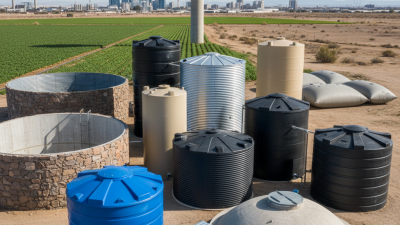
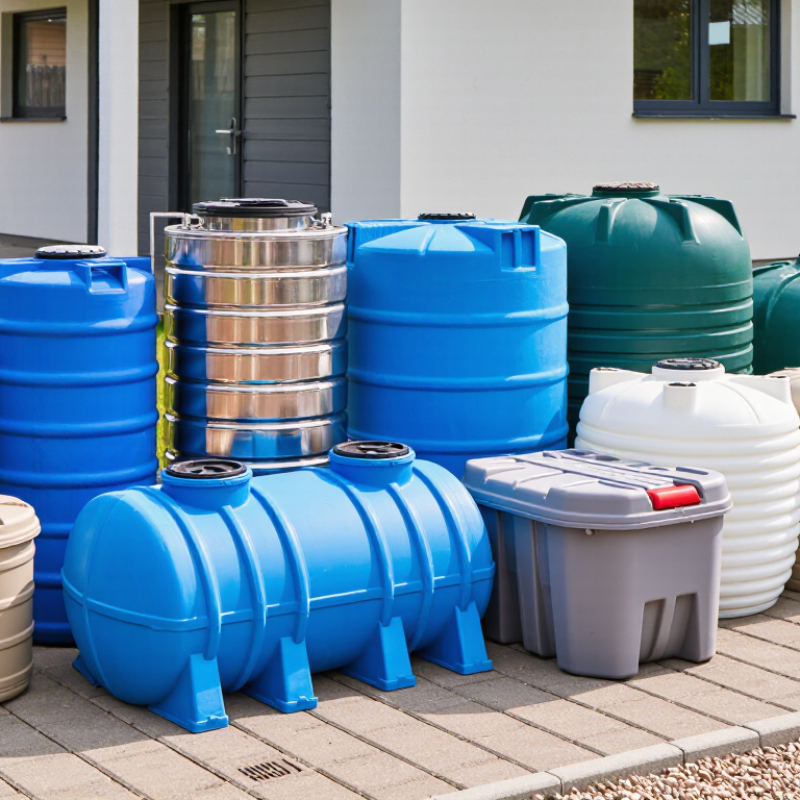
Slimline polyethylene tanks fit narrow walls and small utility rooms. Vertical polyethylene tanks suit garages and outdoor corners. Horizontal polyethylene tanks work beneath decks or beside low buildings. Stainless-steel tanks offer durable, cleanable storage for visible installations. Fiberglass tanks resist corrosion, but potable-water suitability requires verification. Concrete cisterns suit large properties and permanent underground systems. Underground cisterns preserve yard space, although inspection access remains essential. Flexible bladder tanks fit crawl spaces and temporary storage, but puncture protection matters. Rain barrels support garden irrigation, not automatically drinking water. Modular sectional tanks expand as household demand changes.
For drinking water, choose materials certified to applicable potable-water standards, such as NSF/ANSI 61. Use opaque tanks with sealed covers to limit light, debris, and biological growth. FEMA and Ready.gov recommend storing water for several days, yet household needs vary widely. A family with elderly residents may require more accessible outlets and simpler controls. Measure the inlet, overflow, drain, and cleaning clearance before ordering. Installation errors are easy to underestimate. Regular inspection still matters.
Choosing a home water storage tank starts with daily demand, not the largest capacity available. A small household may need 50 to 100 gallons during short interruptions. Larger families need more, especially for cooking, toilets, and cleaning. Count residents, refill reliability, and emergency days. Keep a reserve.
In field inspections, I have seen owners overestimate their needs and waste valuable floor space. My early estimates were sometimes too generous. Actual usage changed during holidays and dry weather. A simple water log can improve the calculation. Add roughly 10 to 20 percent spare capacity, but check local plumbing requirements.
Material affects safety, lifespan, and maintenance. Food-grade polyethylene is lightweight and resists rust. Steel can provide strong support but may require corrosion protection. Concrete handles large volumes, yet cracks and interior sealing need professional attention. Choose a tank rated for potable water when drinking water is stored. Ask for testing documents, not just sales claims.
Location matters just as much. Install the tank on a level, reinforced base with clear access around valves. Avoid direct sunlight, heaters, chemicals, and areas prone to flooding. An attic location may overload ceilings. Measure doorways before delivery. Include an overflow route, secure fittings, and a drain point for cleaning. A licensed plumber should verify pressure, backflow protection, and local code compliance. Small oversights become expensive leaks.
A reliable home water tank should match household demand, climate, and installation space. The largest tank is not always the best choice. An oversized unit may collect stagnant water, increase cleaning needs, and require a stronger foundation. Check its material, capacity, UV resistance, and suitability for drinking water. A covered, opaque tank helps limit algae growth. The base must remain level, solid, and free from sharp stones. I once underestimated delivery and foundation costs; that mistake can distort the whole budget.
Maintenance affects safety and long-term value. Inspect the tank, lid, inlet screen, overflow pipe, and surrounding ground every few months. Look for cracks, leaks, insects, and unusual odors. Clean and disinfect the interior according to local guidance and the manufacturer’s instructions. Never enter a tank without professional confined-space equipment. A certified plumber can also check backflow protection, pump pressure, and pipe connections. These details are easy to overlook.
Tips: Keep a simple maintenance log. Record cleaning dates, water quality tests, repairs, and pump energy use. Compare these expenses before choosing among the top ten options. A cheaper tank may need frequent filter replacement or costly repairs. Ask for written warranty terms, replacement-part availability, and local installation requirements. Also, confirm that the tank meets applicable potable-water and building regulations. Even careful planning has weak points, especially when rainfall, family use, or future renovations change.