What Are the Top Plastic Storage Tanks for Global Buyers?

Global buyers need more than a large catalogue when evaluating plastic storage tanks. They need dependable performance under heat, sunlight, vibration, chemicals, and uneven installation conditions. Grand View Research reports that the global plastic tanks market was valued at approximately USD 1.93 billion in 2023, with continued growth expected through 2030. MarketsandMarkets also identifies water treatment, agriculture, chemicals, and food processing as important demand areas.

Material selection remains central. Polyethylene tanks offer strong corrosion resistance and practical outdoor performance. Polypropylene can suit higher-temperature or specialized chemical applications. Yet no material is universally superior. That detail is often missed.

As plastics engineer Dr. Robin Kent explains, “A storage tank should be selected for its contents and environment, not its appearance.” Buyers should treat this as a useful principle, although it needs careful verification against actual supplier data. Wall thickness, resin grade, UV stabilization, fittings, access openings, and support design all deserve review. A tank standing beside a farm shed faces different risks from one installed inside a chemical plant.

This guide compares leading plastic storage tanks for global buyers, using capacity, material, certification, service life, customization, and total ownership cost. Reports from Grand View Research and MarketsandMarkets provide market context, while manufacturer specifications support technical comparisons. Still, specifications can be incomplete. Independent testing and local engineering advice remain valuable. The best choice is rarely the cheapest tank. It is the tank that remains stable, inspectable, and suitable after years of real use.

What Are the Top Plastic Storage Tanks for Global Buyers?

Plastic Storage Tanks: Types, Materials, and Main Applications

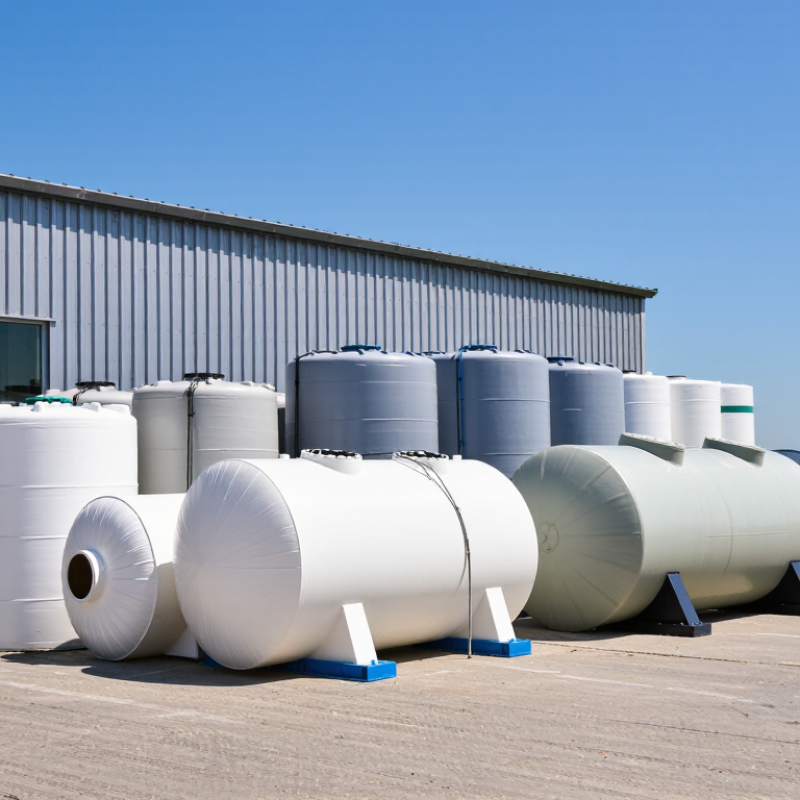
Plastic storage tanks serve different needs, so the “top” choice depends on the liquid, site, and operating conditions. Vertical polyethylene tanks suit water, fertilizers, and many non-corrosive chemicals. Horizontal tanks work well for transport or low-clearance installations. Cone-bottom tanks support controlled discharge, while open-top tanks simplify mixing and inspection. Polypropylene offers stronger chemical resistance in selected applications, but polyethylene remains popular for its impact strength and lower cost.

Tips: Check the liquid’s temperature, density, and chemical compatibility before ordering. Confirm wall thickness, fittings, ventilation, and foundation requirements. UV-stabilized material helps outdoor tanks last longer. Ask for documented testing and installation guidance. Local standards still matter.

In field projects, tank failure often begins with poor support rather than weak plastic. A level base prevents stress around outlets and seams. Leave room for thermal expansion and routine inspection. Food and drinking-water systems may require specific certified materials. Industrial users should also review spill-control and workplace requirements. Do not assume one resin handles every chemical safely. Compatibility charts are useful, yet real conditions can differ. A small sample test may prevent an expensive mistake. Some specifications are overlooked.

That deserves reflection.

Key Features Global Buyers Should Compare

What Are the Top Plastic Storage Tanks for Global Buyers?

Key Features Global Buyers Should Compare

Global buyers should compare more than capacity and price. Material compatibility comes first. Polyethylene tanks suit many water, agricultural, and industrial applications, but chemicals can react differently. Check the manufacturer’s compatibility chart, operating temperature, and fluid concentration. ASTM D1998 provides requirements for rotationally molded polyethylene tanks, including design and inspection considerations. Wall thickness also matters, but thicker is not always safer. Poor molding, weak fittings, or uneven support can still cause failure.

UV protection deserves attention in outdoor installations. Ask whether the resin includes stabilizers and request test documentation. The Plastics Europe report Plastics—The Fast Facts 2023 recorded 400.3 million tonnes of global plastic production in 2022. This scale makes responsible material selection important. For potable water, buyers should verify relevant food-contact or drinking-water certifications, such as NSF/ANSI 61, where applicable. Also compare access openings, drain placement, gasket quality, lifting points, and replacement-part availability. Small details become expensive across borders.

Tips: Request a drawing before ordering. Confirm dimensions in millimetres. Check empty and full weight. Review shipping limits, warranty terms, and local installation conditions. OECD’s Global Plastics Outlook reported 353 million tonnes of plastic waste in 2019, so ask about recyclability and end-of-life handling. One weakness remains common: buyers often compare tanks before confirming the foundation. A level, properly supported base can matter as much as the tank itself.

How to Select the Right Tank Capacity and Design

What Are the Top Plastic Storage Tanks for Global Buyers?

How to Select the Right Tank Capacity and Design

Tank selection should begin with demand, not catalogue appearance. Estimate daily consumption, refill reliability, and emergency reserve separately. A simple formula is daily use multiplied by storage days, plus a safety margin. In many projects, 20% to 30% extra capacity is practical. However, oversized tanks may encourage stagnant water and unnecessary shipping costs.

Regional use changes the calculation. UN-Water reports that agriculture represents roughly 70% of global freshwater withdrawals. Farm storage therefore needs stronger foundations, wider access covers, and reliable overflow control. A household tank may need only compact vertical geometry. A remote irrigation tank may require horizontal support, wind anchoring, and easier cleaning access. Site conditions matter greatly.

Material and design deserve equal attention. High-density polyethylene tanks with UV protection generally suit outdoor applications, but thickness must match capacity and installation stress. Food-contact documentation is essential for potable water. For chemicals, compatibility data should come from the manufacturer, not assumption. The International Code Council’s 2024 standards emphasize safe installation, structural stability, and proper connections for storage systems.

Field experience shows that fittings often fail before tank walls. Inspect outlets, vents, seals, and base supports carefully. A neat spreadsheet can still mislead. Real demand changes with weather, production schedules, and maintenance delays. Leave room for those inconvenient details. A slightly smaller, well-maintained tank can outperform a massive, poorly positioned one.

(Sources: UN-Water, World Water Development Report 2024; International Code Council, 2024 standards.)

International Standards, Safety, and Environmental Factors

For global buyers, the best plastic storage tank is not always the largest or cheapest. It must match the stored liquid, climate, installation site, and local requirements. During site inspections, technicians often check wall thickness, molded seams, fittings, and support conditions. A tank may meet one standard but still fail when exposed to strong sunlight, freezing temperatures, or incompatible chemicals. International buyers should request material certificates, test records, capacity data, and clear installation instructions. Standards such as EN, ASTM, ISO, or local food-contact rules may apply differently by country. Certification must be verified for the intended use.

Safety begins with chemical compatibility. Polyethylene tanks commonly suit water, fertilizers, and selected industrial liquids, but every chemical needs a written compatibility review. Venting prevents pressure changes during filling and emptying. A level, stable foundation reduces stress on the tank base. Secondary containment can limit spills near drains, soil, or waterways. Regular inspections should look for cracks, bulging, discoloration, brittle surfaces, and loose connections. Small defects matter.

Tips: Ask for UV-resistance data, operating-temperature limits, and replacement-part availability. Confirm whether the tank is pressure-rated; many are not. Keep inspection records with dates and photographs. Do not assume recycled plastic is suitable for drinking water without documented approval. Environmental performance also depends on service life, transport weight, repairability, and end-of-life recycling. Some buyers focus on recycled content, but that choice can reduce chemical or food-contact suitability. This is where careful review matters.

What Are the Top Plastic Storage Tanks for Global Buyers? - International Standards, Safety, and Environmental Factors

Tank Type Typical Capacity Range Common Construction Suitable Applications Typical Temperature Guidance Relevant International Standards and Regulations Safety Considerations Environmental Factors Global Buyer Suitability
Rotomolded Vertical Tank Approximately 500–25,000 L; larger sizes may require special engineering and transport planning. Seamless rotationally molded linear polyethylene or cross-linked polyethylene, usually with a flat or reinforced base. Water, rainwater, agricultural liquids, mild chemicals, wastewater, and non-pressurized process storage. Often specified for ambient service; many designs are used around 0–60°C, but the exact limit depends on resin, wall thickness, chemical concentration, and load. ASTM D1998 may be used for vertical polyethylene storage tanks. Drinking-water applications may require NSF/ANSI 61, regional potable-water approval, or equivalent national requirements. Not normally designed for internal pressure. Install on a level, adequately supported foundation; provide suitable venting, overflow control, access protection, and secondary containment where required. Polyethylene is lightweight, corrosion-resistant, and widely recyclable as HDPE or PE when clean and properly segregated. Long service life can reduce replacement waste. Broadly suitable
Well suited to general storage and locations where corrosion resistance and low shipping weight are important.
Horizontal Polyethylene Tank Approximately 500–15,000 L for common transportable and stationary configurations. Linear polyethylene with molded legs, cradles, or a dedicated support frame; some designs include internal baffles. Water, liquid fertilizer, agricultural chemicals, utility fluids, and mobile or low-profile storage. Commonly limited to ambient-temperature service; confirm the manufacturer’s temperature derating for the stored liquid and transport conditions. ASTM D1998 is relevant to many polyethylene tank designs. Transport use may also require local road, dangerous-goods, or load-securing rules. Use only the designed support points. During transport, control liquid movement, secure the tank against sliding or overturning, and avoid filling beyond the rated level. Low mass can reduce transport energy compared with heavier metal alternatives. Recyclability depends on the polymer type, additives, contamination, and local recycling infrastructure. Good for mobility
Useful when height restrictions, vehicle mounting, or horizontal access is a priority.
Double-Wall Polyethylene Tank Approximately 1,000–15,000 L for common above-ground installations. Primary polyethylene tank enclosed by an integral secondary polyethylene containment wall or outer vessel. Diesel exhaust fluid, oils, water-treatment chemicals, corrosive liquids, and applications requiring spill control. Temperature limits vary significantly with the primary liquid, tank design, and containment geometry; verify both inner and outer-wall ratings. Applicable requirements may include ASTM D1998 for the primary tank, local fire codes, environmental-containment rules, and chemical-storage regulations. Secondary containment reduces the consequence of a primary-wall leak but does not replace inspection, leak detection, compatible fittings, overfill prevention, or an emergency response plan. Uses more polymer than a single-wall tank but can reduce soil and water contamination risk. The two-wall construction may complicate end-of-life material separation. Higher protection
Recommended where spill prevention, environmental permitting, or sensitive-site protection is critical.
FRP/GRP Composite Tank Approximately 1,000–100,000 L, depending on orientation, resin system, and structural design. Glass-fiber-reinforced thermoset resin, commonly with a corrosion-resistant inner liner and structural laminate. Industrial chemicals, water treatment, brine, wastewater, mineral processing, and corrosive process liquids. Often suitable for a wider process-temperature range than standard polyethylene, but the limit is highly dependent on resin, liner, chemical concentration, and pressure conditions. Designs may reference EN 13121, ASTM D3299, ASTM D4097, or other project-specific pressure and storage requirements. The applicable standard must match the tank type and service. Confirm chemical compatibility, laminate design, nozzle loads, foundation requirements, inspection access, and whether the vessel is atmospheric or pressure-rated. Avoid unauthorized modification or drilling. Typically has a long service life and strong corrosion resistance. Thermoset composites are more difficult to recycle mechanically than thermoplastic polyethylene. Industrial use
Appropriate for larger capacities and corrosive services when engineering documentation is available.
Polypropylene Process Tank Approximately 500–30,000 L for fabricated or molded process vessels. Welded or fabricated polypropylene sheet, sometimes combined with ribs, liners, or structural supports. Acid pickling, plating chemicals, laboratory and industrial wastewater, and selected high-purity process liquids. Polypropylene can offer higher temperature capability than polyethylene in some services, but actual limits depend on stress, chemical concentration, weld quality, and tank geometry. Fabrication may be controlled by DVS welding guidance, EN or ASTM project specifications, chemical-compatibility requirements, and local pressure-vessel rules where applicable. Usually intended for atmospheric service. Inspect welds, supports, fittings, and thermal expansion allowances; do not assume compatibility solely from the chemical name. Polypropylene is a recyclable thermoplastic in suitable waste streams, although welded assemblies, liners, contamination, and additives can reduce recycling options. Process-focused
Strong candidate for selected chemical and wastewater services after a documented compatibility review.
Potable-Water Polyethylene Tank Approximately 500–20,000 L for residential, commercial, emergency, and rainwater systems. Food-contact-grade polyethylene with opaque or UV-stabilized construction to limit light penetration and algae growth. Drinking water, rainwater harvesting, emergency water storage, and non-pressurized municipal or building systems. Generally intended for cool or ambient water service; protect from freezing, excessive heat, and prolonged direct solar exposure unless specifically rated. Potential requirements include NSF/ANSI 61, FDA 21 CFR 177.1520 for applicable food-contact polymers, EU Regulation No. 10/2011, WRAS, or equivalent local approval. Use potable-water-approved liners, seals, valves, and hoses throughout the system. Prevent cross-connection, provide hygienic access covers, and follow local cleaning and disinfection procedures. Long life, low corrosion, and low transport weight are advantages. Opaque construction can help reduce biological growth and cleaning frequency. Water approved
Suitable only when the complete wetted system—not merely the tank shell—meets the destination market’s potable-water requirements.
Underground Polyethylene Tank Approximately 1,500–15,000 L for common residential, commercial, and light industrial systems. Engineered polyethylene vessel with ribs or structural reinforcement designed for burial and external soil loads. Rainwater, sewage, septic systems, wastewater, and underground utility storage. Usually suitable for buried ambient-temperature service; groundwater, freeze conditions, chemical exposure, and soil temperature must be evaluated during design. Requirements vary by country and use. Relevant specifications may include EN 12566 for certain small wastewater-treatment products, local septic regulations, and installation standards for underground tanks. Correct excavation, bedding, anchoring, backfill, access-cover loading, buoyancy control, and pipe flexibility are essential. Do not bury an above-ground tank unless it is specifically engineered for burial. Preserves above-ground space and resists corrosion, but excavation has significant site impacts. End-of-life recovery is more difficult than for accessible above-ground tanks. Site-dependent
Effective where land use or visual impact matters, provided local soil, groundwater, and installation requirements are satisfied.
Intermediate Bulk Container (IBC) Commonly 500–1,000 L per container, with larger systems requiring multiple units or specialized designs. Rigid polyethylene inner bottle in a steel cage, mounted on a pallet base, with a top fill opening and bottom discharge valve. Bulk transport and temporary storage of water, food ingredients, detergents, and compatible non-dangerous or dangerous liquids. Often used at ambient temperature; confirm the liquid-specific filling, stacking, transport, and temperature restrictions. UN Recommendations on the Transport of Dangerous Goods may apply to certified IBCs, including the relevant 31H classification for composite IBCs. Food applications require separate food-contact compliance. Check the UN mark, packaging group, closure integrity, inspection interval, stacking rating, valve protection, and compatibility. Do not reuse a container for potable water without verified cleaning and approval. Reusable IBCs can reduce packaging waste. Damaged or contaminated units require controlled cleaning, refurbishment, or recycling through appropriate industrial channels. Logistics-oriented
Best for international shipment, modular storage, and lower-volume bulk handling rather than permanent large-scale storage.
Buyer note: Standards and approvals are application- and country-specific. Before purchase, verify the stored chemical, concentration, density, temperature, tank orientation, internal pressure, foundation, fittings, certification, inspection requirements, and destination-market regulations with a qualified engineer or the relevant authority.

Supplier Evaluation, Pricing, Shipping, and Installation Considerations

What Are the Top Plastic Storage Tanks for Global Buyers?

Supplier evaluation should begin with resin quality, wall thickness, weld integrity, and documented testing. Ask for material certificates, dimensional drawings, UV resistance data, and load calculations. A supplier’s response speed also matters during installation problems. The OECD’s Global Plastics Outlook reported 460 million tonnes of global plastic production in 2019. This scale makes traceable material selection more important, not less. However, certificates alone cannot prove real field performance.

Pricing should include the tank, fittings, pallets, inland transport, insurance, duties, and commissioning labor. A low factory quote can become expensive after port handling and storage charges. The World Bank’s Logistics Performance Index 2023 evaluated logistics performance across 139 economies. Its findings show major differences in customs, infrastructure, and shipment reliability. Buyers should request landed-cost estimates under clear Incoterms. Some delivery forecasts remain optimistic. Weather, port congestion, and document errors can still disrupt schedules.

Tips: Compare at least three written quotations. Require identical specifications. Check whether the tank arrives assembled or flat-packed. Confirm forklift access, foundation tolerance, anchoring, overflow routing, and drainage before shipment. Installation teams should inspect the base for levelness and cracks. Use a water test before connecting pumps. This small step catches leaks early. A commissioning checklist, photographs, and signed acceptance record improve accountability. Rechecking assumptions is worthwhile, especially when local contractors interpret drawings differently.

We will help turn your vision into reality

Contact Us