How to Choose the Best Large Plastic Water Tank for Your Needs?
Choosing the right large plastic water tank is crucial for various applications. Whether for irrigation, livestock, or household needs, the right tank can improve efficiency. A quality large plastic water tank should be durable, UV-resistant, and safe for water storage.
It is essential to consider your specific needs. Consider factors like size, capacity, and location. Not every tank suits every purpose. Evaluating these elements can prevent costly mistakes.
Many options exist, but not all meet quality standards. Some tanks may leak or degrade over time. Researching brands and products can ensure you invest wisely. Look for customer reviews and expert recommendations. This will help you make an informed choice.
Understanding the Importance of Large Plastic Water Tanks
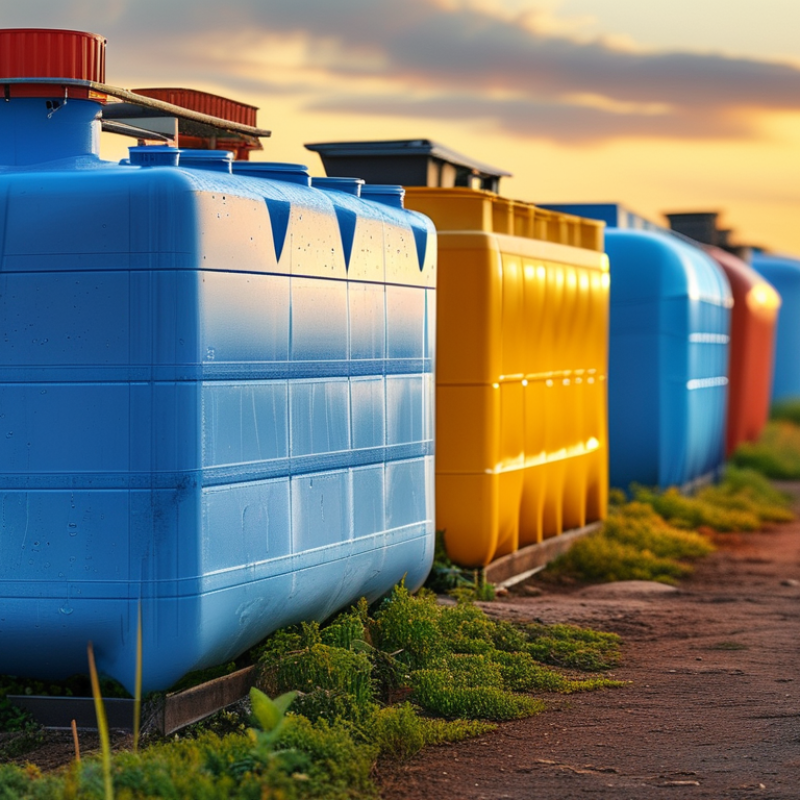
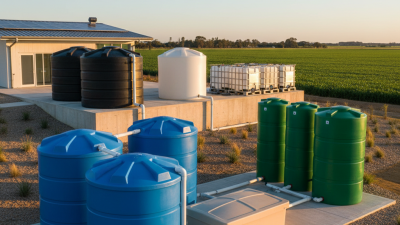
Large plastic water tanks play a crucial role in various settings, from urban homes to agricultural fields. They provide a reliable water source, ensuring that you always have water available. Understanding their importance is essential when selecting the right tank for your needs.
When choosing a large plastic water tank, consider the purpose. Will it store drinking water, or is it for irrigation? Different applications have different requirements for tank material and size. Additionally, check if the tank meets safety and health standards. Tanks made from high-density polyethylene (HDPE) are generally safe for drinking water.
Tips: Assess available space before making a purchase. Measure the area where the tank will be installed. Not all tanks fit every space. Consider the climate as well. UV protection is vital for tanks exposed to sunlight.
Think about maintenance too. Some tanks require regular cleaning to prevent algae growth. This can be overlooked but is important for water quality. Skipping maintenance can lead to contamination, which is a significant health risk. Consider these aspects carefully to ensure you select the best large plastic water tank for your needs.
Assessing Your Water Storage Needs and Capacity Requirements
Assessing your water storage needs starts with understanding your daily consumption. According to the U.S. Geological Survey, the average person uses about 80-100 gallons of water daily. For a family of four, this amounts to 320-400 gallons each day. This figure is essential when determining the size of your large plastic water tank.
You also need to consider your intended use for the water. Household needs, irrigation, and emergency supply all have different requirements. For example, a garden might need an additional 30-50 gallons weekly. If you live in an area prone to drought, having enough capacity is crucial. A report from the Water Research Foundation indicates that many homes are unprepared for extended water shortages.
Reflect on these factors when choosing a tank. Capacity can influence longevity and efficiency. However, larger tanks may not always be practical. Installation space, weight, and local regulations are also vital. Balancing these aspects can be tricky, and sometimes, smaller tanks strategically placed might serve you better. Think deeply about your needs to avoid the pitfalls of poor planning.
Water Storage Capacity Comparison
Key Features to Consider in Large Plastic Water Tanks
When choosing a large plastic water tank, there are several key features to consider. Material quality is crucial. High-density polyethylene (HDPE) is often preferred due to its durability and resistance to UV rays. Consider the tank's capacity, too, as it should meet your specific water storage needs.
Another important aspect is the tank's design. Look for tanks with a wide base for stability. Some tanks include built-in features, like drain valves or manholes. These can facilitate easier maintenance and access.
Don't overlook the tank's compatibility with different water types. Ensure it meets safety standards for your intended use, whether for drinking, irrigation, or storage. Additionally, think about the installation process. Complex setups may require professional assistance. It's worth considering whether you want a vertical or horizontal tank based on space availability.
Comparing Different Materials and Designs of Water Tanks
When selecting a large plastic water tank, material and design play critical roles. Most tanks are made from polyethylene or polypropylene. Polyethylene tanks are lightweight and resistant to corrosion. They are often UV-stabilized, ensuring they can withstand sun exposure without degrading. However, they may not handle extreme temperatures well.
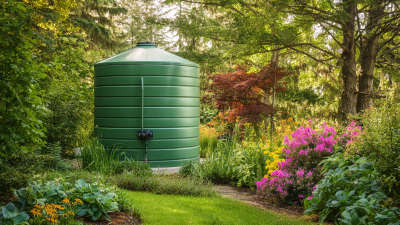
In contrast, polypropylene tanks offer higher durability. They can endure greater temperature fluctuations, making them ideal for varying climates. These tanks often come in different shapes and sizes, catering to different needs. Consider a cylindrical tank for even weight distribution or a rectangular tank for space efficiency. Each design has its advantages and potential drawbacks.
Reflect on your storage needs. What capacity will suit your requirements? Think about where you will place the tank. Size and shape impact installation. Always check local regulations on tank installation. This research can save you from future headaches. Balancing your specific needs with the materials and designs available will lead to a better purchase decision.
How to Choose the Best Large Plastic Water Tank for Your Needs?
| Material |
Capacity (Gallons) |
Durability |
UV Resistance |
Cost ($) |
| Polyethylene |
500 |
Good |
High |
300 |
| Fiberglass |
1000 |
Excellent |
Moderate |
500 |
| Polypropylene |
750 |
Very Good |
High |
450 |
| Steel Reinforced Plastic |
1500 |
Excellent |
Low |
700 |
Tips for Maintenance and Longevity of Your Water Tank
Maintaining a large plastic water tank is vital for its longevity and efficient performance. Regular inspections are essential. Check for cracks and leaks frequently. UV exposure can degrade the plastic over time. A study by the American Water Works Association indicates that proper maintenance can extend the lifespan by up to 30%. Simple repairs can prevent larger issues.
Cleaning is equally crucial. Algae and sediment buildup can affect water quality. Experts recommend a thorough cleaning every six months. Use a mixture of vinegar and water for an effective, eco-friendly solution. Ensure proper rinsing after cleaning. Maintaining optimal water levels also mitigates pressure on tank walls. An empty or overly full tank can lead to structural issues.
Moreover, temperature control is important. Extreme heat can warp the tank, while cold conditions can make plastic brittle. Insulating your tank can help manage these temperatures. As the industry suggests, insulating can improve energy efficiency and minimize degradation. Paying attention to these details can significantly impact your tank's performance in the long run.