What is Injection Molding and How Does it Work?
Injection molding is a vital process in manufacturing. It plays a crucial role in producing a wide range of plastic products, from everyday items to complex components. John Smith, a leading expert in injection molding, once stated, “This process is at the heart of modern manufacturing and innovation.” His insight reflects the importance of understanding how injection molding works.
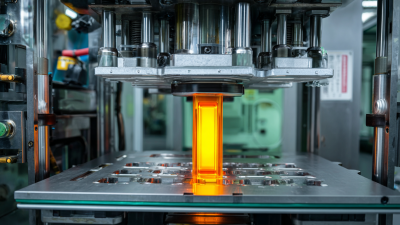
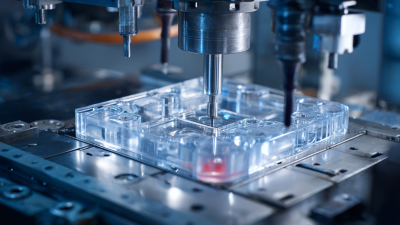
By using high-pressure machinery, molten plastic is injected into molds. This allows for the creation of intricate shapes and designs. The process is efficient, producing large quantities quickly. However, achieving the perfect mold design can be challenging. Design flaws or material inconsistencies can lead to defects, prompting reflection on the importance of precision in this field.
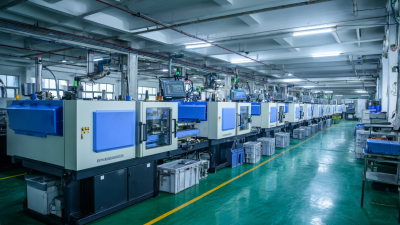
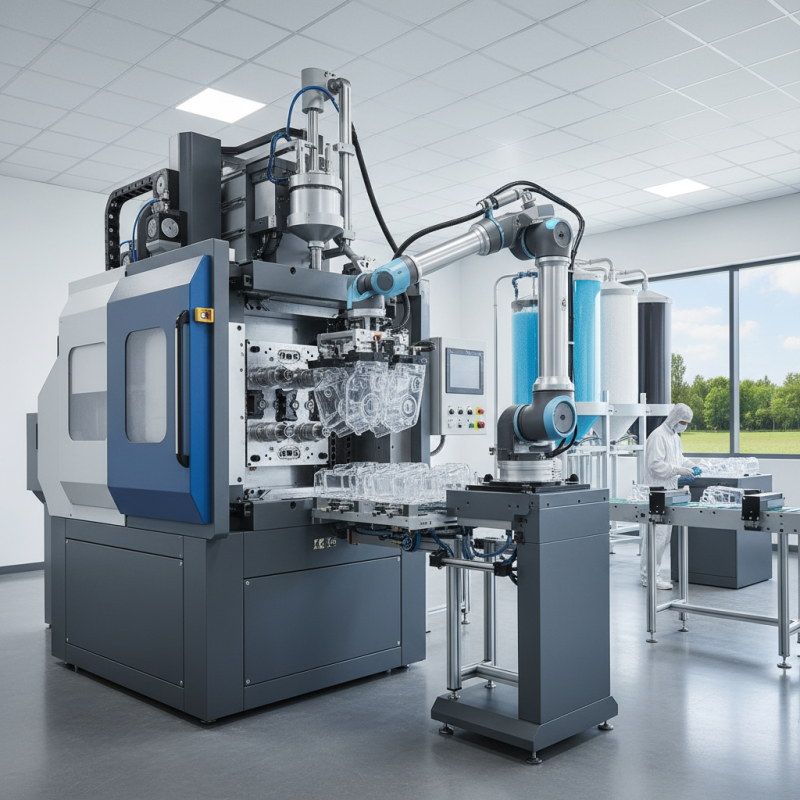
Moreover, advancements in technology continue to shape the injection molding industry. Automated systems improve consistency while reducing labor costs. Yet, manufacturers must remain aware of the environmental impact. This balance between innovation and sustainability is essential. As the industry evolves, ongoing education is vital for professionals. Staying informed helps ensure quality output and adherence to industry standards.
Definition of Injection Molding: Overview and Key Concepts
Injection molding is a highly efficient manufacturing process used to produce a wide range of plastic parts. This technique involves injecting molten plastic into a mold cavity. Once cooled, the mold solidifies, creating a precise and durable product. According to industry reports, the global injection molding market was valued at approximately $200 billion in 2021 and is projected to grow significantly.
Key concepts include the importance of material selection and mold design. Different plastics yield varying qualities. For instance, thermoplastics are known for their flexibility, while thermosetting plastics offer superior heat resistance. Reports indicate that nearly 30% of production costs can be attributed to these factors. Additionally, engineers must ensure molds are designed for maximum efficiency. This demands a keen understanding of material properties and mold flow dynamics.
However, challenges in injection molding often arise. For example, defects like short shots or warping can occur. These issues reduce quality and lead to waste. Continuous improvements in technology are necessary to address these pitfalls. Advanced simulation software helps predict flow patterns and optimize designs. Manufacturers must remain vigilant in quality control to avoid costly errors and maintain trust in their processes.
What is Injection Molding and How Does it Work?
| Property |
Value |
| Process Type |
Thermoplastic and Thermosetting |
| Cycle Time |
30 to 120 seconds |
| Material Types |
Polycarbonate, ABS, Nylon, Polypropylene |
| Applications |
Automotive, Consumer Goods, Medical Devices |
| Advantages |
High Efficiency, Complex Shapes, Consistent Quality |
| Disadvantages |
High Initial Costs, Limited Material Choices |
The Injection Molding Process: Step-by-Step Breakdown
Injection molding is a prevalent manufacturing process for producing plastic parts. Understanding the step-by-step breakdown of this process helps to visualize how it works.
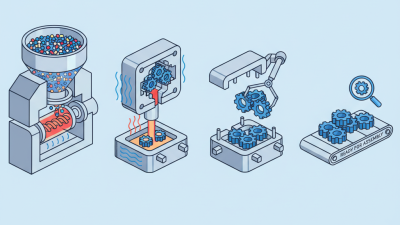
The process begins with material selection. Plastic pellets are the primary component. These pellets are heated until they become molten. The cavity is then filled with this liquid plastic under pressure. This stage is crucial for achieving detailed designs. Every nook and cranny of the mold requires precise filling to avoid imperfections. After the mold is filled, cooling begins. The cooling phase solidifies the plastic, allowing it to take the shape of the mold. The duration of cooling remains variable, influenced by part thickness and material type.
Once cooled, the mold opens. Ejector pins push the formed part out. This step can sometimes lead to defects if the part sticks too tightly. An inspection follows, assessing for quality. Any flaws might necessitate adjustments in future runs. The process iterates, optimizing for efficiency and quality, making injection molding a continually improving technique.
Types of Materials Used in Injection Molding
Injection molding is a widely utilized manufacturing process that involves the injection of molten material into a mold. This process can accommodate various materials, each with distinct properties and applications. Understanding the types of materials used in injection molding is essential for choosing the right solution for specific production needs.
Plastics dominate the injection molding landscape. According to industry reports, thermoplastics constitute approximately 80% of all materials used in injection molding. Common thermoplastics include polycarbonate and polystyrene. They offer excellent tensile strength and flexibility.
Additionally, thermosetting plastics are also used, although less frequently. These materials harden permanently when subjected to heat.
In recent years, the use of biodegradable materials has gained traction. Bioplastics can be a more sustainable alternative. They offer significant environmental benefits. Market research indicates that the demand for such materials is expected to grow by over 20% annually. Companies are increasingly focused on sustainability.
However, challenges remain regarding their mechanical properties and processing techniques. Each material has its strengths and weaknesses. Selecting the right one requires careful consideration of the intended application and desired characteristics.
Applications of Injection Molding in Various Industries
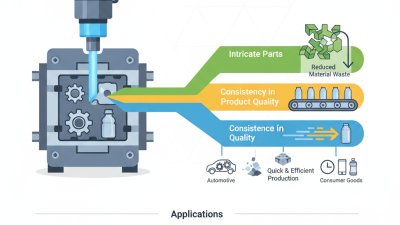
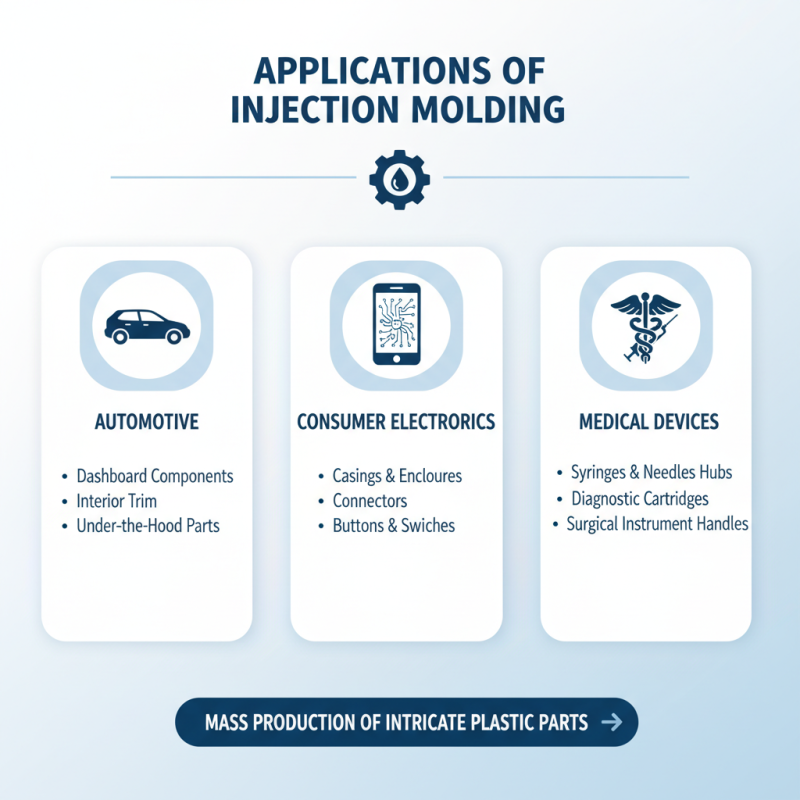
Injection molding is a common manufacturing process used across various industries. This technique allows for the mass production of intricate plastic parts. Its versatility makes it invaluable in sectors such as automotive, consumer electronics, and medical devices.
In the automotive industry, injection molding creates components like dashboards and trim pieces. These parts are lightweight and durable, enhancing vehicle performance. In consumer electronics, the process shapes casings for smartphones and computers. Precision is crucial here, as even minor imperfections can affect functionality. The medical sector utilizes injection molding for creating sterile components, such as syringes and surgical devices. These products must meet stringent standards for safety and quality.
While injection molding offers many benefits, it is not without challenges. Designing molds can be complex and expensive. Additionally, production runs can lead to waste if the design isn’t optimized. Engineers must constantly refine their processes. This way, they can reduce production costs and material waste while maintaining high quality. The balance between precision and efficiency remains a key consideration across all applications.
Advantages and Disadvantages of Using Injection Molding
Injection molding is a manufacturing process that creates parts by injecting molten material into a mold. It is widely used in various industries, including automotive and consumer goods. However, like any process, it has its advantages and disadvantages.
One key advantage of injection molding is its efficiency. High production rates mean businesses can produce large quantities of identical parts quickly. Material waste is low, making it cost-effective for mass production. The process allows for intricate designs and precise tolerances, which can lead to high-quality products. These benefits can justify the initial high setup costs of molds and machinery.
On the flip side, injection molding has drawbacks. The initial investment in molds can be substantial, limiting it for small-scale projects. Once a mold is made, changes can be difficult and expensive. It also requires a detailed design upfront, which can stifle creativity. Additionally, not all materials are suitable for injection, limiting flexibility. These factors highlight the need for careful planning before committing to this process.