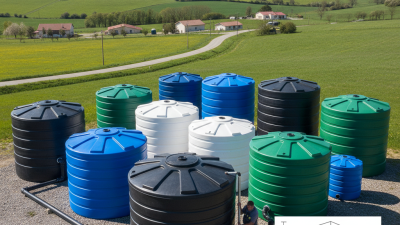
Choosing plastic water tanks in 2026 requires more than comparing prices, sizes, and delivery dates. A suitable tank must match the water source, installation site, climate, and intended use. Drinking water storage demands certified, food-grade materials. Irrigation tanks may require different specifications. The label matters. So does the manufacturer’s evidence.
A practical evaluation starts with capacity. Measure daily consumption, refill frequency, and emergency needs. Then inspect the tank’s shape, wall thickness, fittings, access cover, and UV protection. A 5,000-liter tank may sound generous, but its footprint could overwhelm a narrow yard. Check the base carefully. Uneven ground can create stress around the outlet and shorten service life. Ask for technical documents, warranty terms, cleaning guidance, and testing information from a traceable supplier.
Small details often decide reliability. Darker tanks can reduce light exposure and algae growth, although color alone is not a guarantee. Stainless-steel or reinforced fittings may improve durability, but they can raise costs. Temperature changes, tree roots, transport damage, and poor plumbing also deserve attention. One overlooked valve can waste thousands of liters. Avoid assumptions. Even experienced buyers sometimes choose capacity before checking access routes or maintenance space. That mistake is easy to make. It is also expensive to correct. This guide explains the key choices, practical checks, and questions that help you select plastic water tanks with greater confidence in 2026.
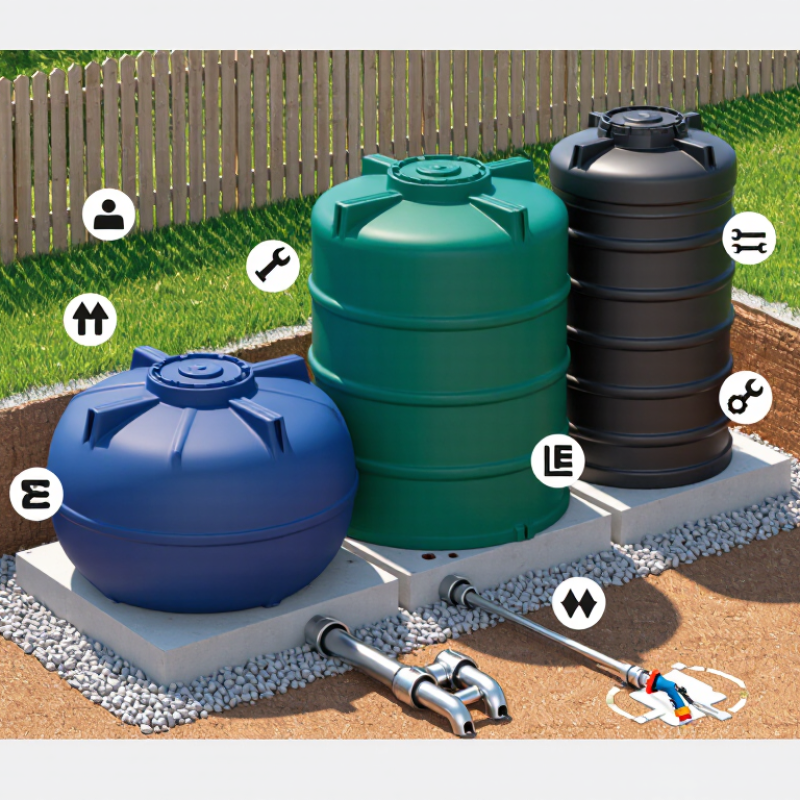
Choosing a plastic water tank in 2026 starts with capacity, not appearance. I measure actual household use for seven days before comparing tank dimensions. Record showers, toilet flushing, laundry, cooking, cleaning, and outdoor tasks. A useful baseline is 50–80 liters per person daily, but habits vary sharply. A family of four may need 240 liters on an ordinary day. Keep the meter visible.
Daily demand is only the starting point. Add peak use, especially when several people shower, wash clothes, or cook within a short period. In a small property, a morning surge can expose a tank that seemed large on paper. I calculate the highest likely daily demand, then add a 20% reserve.
A 500-liter tank may be more practical than a 400-liter model, because usable capacity can fall below the label.
Check whether supply interruptions last hours or several days. A rural home, workshop, or backup system needs a different calculation. Also allow for inlet delays, sediment space, and water that cannot drain completely. Tank placement matters; a full 500-liter tank adds roughly 500 kilograms of load. Ask a qualified installer to verify the base and plumbing. My early estimates have been wrong when guests arrived or summer demand doubled. Recheck the figures each season.
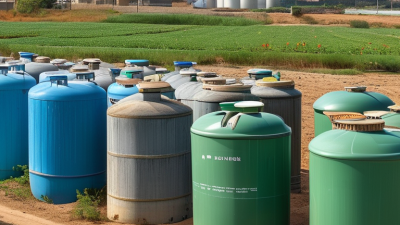
Choosing a plastic water tank in 2026 requires more than checking capacity, color, and price. For drinking water, verify NSF/ANSI 61 certification for the complete tank system, not only the raw plastic. This standard evaluates materials and components that contact potable water. Ask for a current certificate, exact model number, intended use, and certification scope. A vague “food-grade” claim is not enough.
FDA 21 CFR 177.1520 is also important for certain polyethylene and polypropylene materials used in food-contact applications. However, resin compliance alone may not cover pigments, seals, fittings, adhesives, or manufacturing residues. Request supporting declarations and migration-test information.
Check whether the documentation applies to your water temperature and storage conditions. A tank may look clean while its internal fittings remain undocumented.
Tips: Inspect the outlet, gasket, lid, and vent as carefully as the tank wall. Keep certificates with purchase records and batch details. Ask how the tank should be cleaned before first use. Do not assume certification covers recycled content or later modifications. A reputable supplier should answer clearly, but paperwork can still contain gaps. I would also confirm certification directly through the relevant certification body when the project is critical. That extra step feels slow. It can prevent an expensive replacement.
How to Choose Plastic Water Tanks in 2026?
HDPE grade matters before color or price. For potable water, choose resin supported by NSF/ANSI/CAN 61 certification. ASTM D1998-21 covers polyethylene upright storage tanks, but it does not promise one universal service life. Higher-density, properly processed HDPE usually offers better stiffness and crack resistance. Wall thickness still matters. A strong resin cannot rescue poor molding.
UV protection separates a short-term tank from a 15–30-year design. Black tanks commonly use carbon black to absorb ultraviolet radiation. ASTM D3350 identifies carbon-black requirements for polyethylene pipe compounds, but tank formulations may differ. Ask for the actual UV package and accelerated-weathering results under ISO 4892-3. Do not accept “UV resistant” as enough evidence. It is too vague.
A 2024 technical brief from the U.S. Department of Energy confirms that solar exposure varies sharply by region, roof height, and seasonal intensity. A tank in Arizona faces a different aging load from one under shaded coastal conditions. Inspect the lid, fittings, support base, and exposed surface annually. Look for chalking, fading, brittleness, and stress whitening. Industry service-life estimates commonly reach 15–30 years, yet temperature, chemicals, installation, and cleaning practices can shorten that period. My practical concern is simple: service-life claims often assume ideal maintenance. That assumption needs testing. Ask for resin documentation, wall-thickness data, batch traceability, and a written inspection schedule.
How to Choose Plastic Water Tanks in 2026?
A 1,000-liter tank holds approximately 1,000 kilograms of water. That load acts continuously on the tank base. The tank itself, pipes, valves, and fittings add extra weight. A full unit may therefore exceed its stated water capacity by several kilograms.
Check the structural rating before comparing price or shape. Ask for the tank’s load data, material specifications, and installation guidance. The supporting slab should be level, firm, and strong enough for the combined load. Cracked concrete, soft soil, or uneven paving can create stress points. These problems may cause deformation, leaks, or sudden failure. Flat support matters.
From practical installation checks, the tank base often receives less attention than the tank wall. That is a mistake. Measure the filled footprint, inspect the support surface, and keep the tank away from sharp edges. Allow room for inspection and safe pipe connections. A vertical tank may need different reinforcement from a horizontal model. Follow tested engineering information rather than relying on appearance.
Consider sunlight exposure, temperature changes, and repeated filling cycles. Ask whether the rating applies to long-term outdoor use, not only factory testing. Some product descriptions sound precise but omit loading conditions. I have seen calculations overlook the tank’s own weight. Recheck them. A qualified engineer should review unusual installations, elevated platforms, or weak ground before filling the tank.
A tank’s purchase price is only the opening figure. Over ten years, installation, cleaning, repairs, and replacement parts can cost more than expected. Measure the delivery route, foundation area, pipe distance, and access for future servicing. A level concrete base usually prevents stress and uneven settling. I once underestimated the space needed around a tank. That mistake made inspection awkward.
Check the tank’s material, wall thickness, UV resistance, fittings, and capacity rating. Ask for written warranty terms, not verbal promises. Confirm what the warranty covers, including leaks, discoloration, fittings, labor, and transport. Some warranties exclude poor foundations or unsuitable water conditions. Maintenance should include periodic cleaning, lid inspection, inlet checks, and mosquito-proof screening where appropriate. Keep dated service records. They support claims and reveal recurring problems.
Tips: Compare ten-year costs. Include delivery, installation, filters, cleaning, repairs, water testing, and eventual disposal. Request two installation estimates. Check whether replacement fittings remain available. A cheaper tank may need more frequent cleaning or repairs. That is not always true, but it deserves investigation. Ask an experienced installer to inspect the base and plumbing layout before purchase. Small errors become expensive after the tank is full.