How to Choose a Plastic Molding Machine?

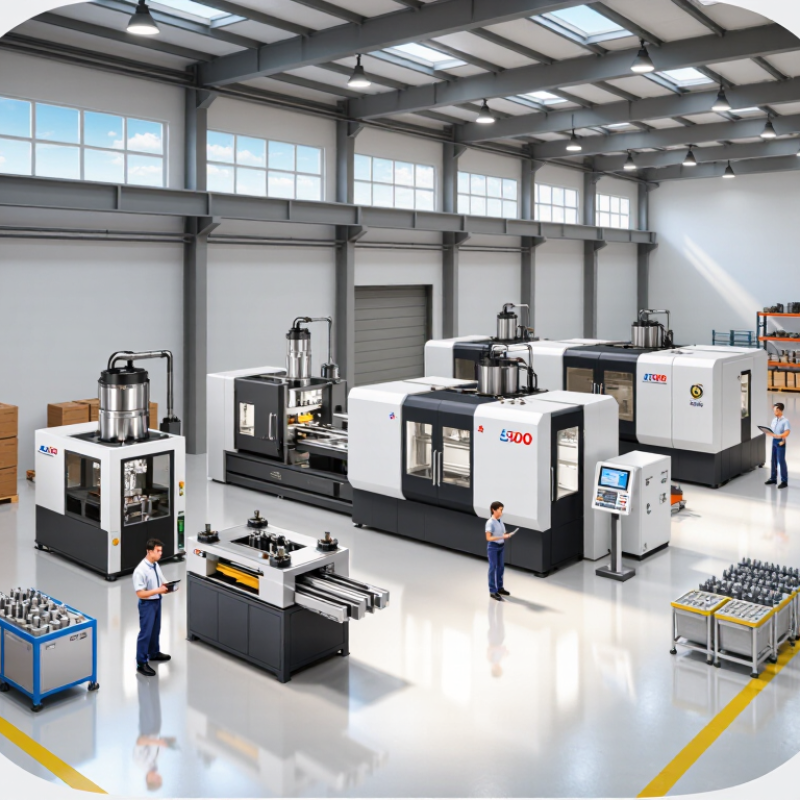
Choosing a plastic molding machine is rarely a simple comparison of price and tonnage. The right choice must match the mold, resin, cycle time, part geometry, and production volume. A 500-ton machine may sound powerful, yet it can be inefficient for a small precision component. The mold might need only 120 tons, while the machine’s oversized barrel creates unnecessary material residence time.

Market reports show why this decision deserves careful attention. Grand View Research forecasts continued growth in the global injection molding machine market through 2030, driven by automotive, packaging, medical, and consumer-product demand. Fortune Business Insights also reports steady market expansion, although its figures differ because the report uses a different market scope. That difference matters. Data is useful, but definitions can mislead.

John Bozzelli, founder of Scientific Molding, is widely associated with the practical principle, “You cannot inspect quality into a part; you must build it into the process.” His point applies directly to machine selection. Buyers should examine clamp-force calculations, shot-size capacity, injection speed, pressure control, energy consumption, and service support. Electric machines may reduce energy use and improve repeatability, while hydraulic models can offer familiar maintenance and strong high-force performance. Neither option is universally better. A factory floor tells the truth: listen for pump noise, inspect oil leaks, and watch cycle stability over several hours.

This guide will compare those details without pretending that one specification solves everything. Some recommendations may still require testing. That is the honest part. A reliable plastic molding machine should fit today’s production needs while leaving sensible room for tomorrow’s materials, molds, and quality expectations.
How to Choose a Plastic Molding Machine?

Understanding Plastic Molding Machine Types and Applications

How to Choose a Plastic Molding Machine?

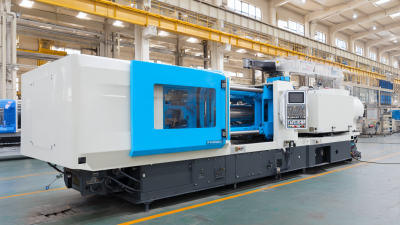
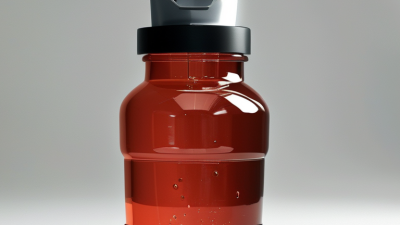
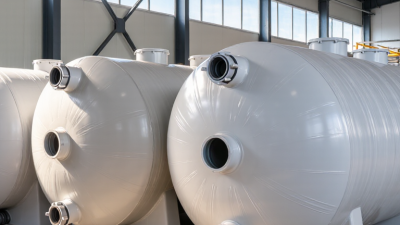
Choosing a plastic molding machine starts with the product, not the machine catalog. Injection molding suits precise parts, such as housings, medical components, and automotive clips. Blow molding creates hollow bottles and tanks. Extrusion molding produces continuous profiles, pipes, and sheets. Compression molding handles thermoset parts and fiber-reinforced components. Rotational molding works well for large, low-volume products, including storage tanks and playground parts.

Scale matters. PlasticsEurope reported global plastics production of about 414 million tonnes in 2023. This volume covers very different processing needs. A small injection machine may deliver excellent repeatability but waste energy when oversized. An extrusion line needs stable temperature control across the barrel. For thin packaging, cycle speed matters. For thick parts, cooling time often controls output. A machine’s clamping force, shot size, screw design, and material compatibility should match the part drawings. In practice, engineers sometimes select capacity too generously. That feels safe, but it can increase purchase and operating costs.

Tips: Test the actual resin before purchasing. Record melt temperature, cycle time, scrap rate, and energy use. The International Energy Agency notes that industrial energy efficiency remains a major emissions opportunity, so energy data deserves attention. Ask for machine trials using your mold, not a showroom sample. Also check maintenance access. A perfect machine is not always the best machine. A simpler one may be easier to keep running.
Defining Material, Product, and Production Requirements

How to Choose a Plastic Molding Machine?
Defining Material, Product, and Production Requirements

Machine selection should begin with the material, not the machine catalog. Resin viscosity, drying needs, melt temperature, shrinkage, and recycled content directly affect processing stability. PlasticsEurope reported global plastic production of 413.8 million tonnes in 2023, showing the scale and variety of materials manufacturers must manage. A material data sheet is essential, but it is not enough. Actual moisture, colorant loading, and batch variation can change the result.

Product geometry comes next. Measure projected area, wall thickness, flow length, undercuts, and acceptable tolerances. Estimate clamp force from projected area and cavity pressure, then add a safety margin based on testing. Shot size should usually remain within a practical portion of the barrel capacity, rather than operating at its limit. Thin walls may require faster injection, while thick sections need controlled cooling. A neat spreadsheet can still mislead.

Production requirements reveal the machine’s real workload. Calculate cycle time, annual volume, cavity count, automation needs, and planned uptime. Packaging represented about 39% of European plastics demand in 2023, according to PlasticsEurope’s Plastics—The Fast Facts 2024, but packaging parts often demand different speed and cleanliness than technical components. Energy use also deserves attention. The OECD reported that only 9% of plastic waste was recycled globally in 2019, so material efficiency and scrap control should influence machine selection. I have seen teams choose excessive clamp force for comfort. It increased cost without improving the part. Trial data should challenge assumptions before purchase.

How to Choose a Plastic Molding Machine? - Defining Material, Product, and Production Requirements

Material Family Typical Product Key Material Characteristics Typical Melt Temperature Typical Mold Temperature Recommended Machine Configuration Typical Clamp-Force Range Injection-Speed Priority Important Selection Factors
Polypropylene (PP) Household containers, caps, automotive trim, storage boxes Low density, good chemical resistance, low moisture absorption, relatively easy flow 200–250°C 20–60°C General-purpose reciprocating-screw machine with a standard-purpose screw 40–180 tons for common small and medium parts Medium to high Cycle time, part stiffness, shrinkage control, mold cooling efficiency
Polyethylene (PE) Bottles, caps, tanks, liners, bins, flexible packaging components Excellent chemical resistance, low friction, high shrinkage compared with many engineering plastics 180–240°C 20–60°C General-purpose machine with adequate plasticizing capacity and stable back pressure 30–200 tons for common molded parts Medium Shrinkage allowance, cooling time, mold venting, required flexibility or stiffness
Acrylonitrile Butadiene Styrene (ABS) Electrical housings, appliance panels, instrument bezels, consumer-product enclosures Good impact strength and surface finish; moisture-sensitive and prone to heat-related degradation 230–270°C 40–80°C General-purpose machine with closed-loop temperature and injection control 50–250 tons for common housings and structural parts Medium to high Drying capability, cosmetic appearance, mold temperature stability, screw recovery time
Polystyrene (PS) Disposable trays, laboratory containers, packaging inserts, transparent sample parts Good dimensional stability and flow; standard grades are relatively brittle 180–240°C 20–60°C Standard reciprocating-screw machine with precise fill-volume control 30–150 tons for small and medium parts Medium Part impact requirements, gate design, cycle time, transparent-surface quality
Polycarbonate (PC) Safety covers, lighting components, medical housings, transparent protective parts High impact strength and heat resistance; requires thorough drying before processing 280–320°C 80–120°C High-temperature machine with robust barrel heating, drying support, and precise control 80–400 tons depending on part size and wall thickness Medium to high Drying performance, mold temperature, injection pressure, residence time, venting
Polyamide (PA6 / PA66) Gears, clips, brackets, cable ties, automotive and industrial components High strength and wear resistance; absorbs moisture and may require controlled conditioning 250–290°C 60–100°C Machine with reliable drying, wear-resistant screw options, and accurate process monitoring 50–300 tons for typical engineering components Medium Moisture control, glass-fiber content, screw wear, dimensional conditioning
Polyoxymethylene (POM) Precision gears, bushings, latches, bearings, small mechanical components Low friction, high stiffness, excellent dimensional stability; sensitive to overheating and long residence time 190–220°C 60–100°C Precisely controlled reciprocating-screw machine with short, stable residence time 40–200 tons for precision components Medium Thermal control, material residence time, mold venting, repeatable metering
Polybutylene Terephthalate (PBT) Electrical connectors, sensor housings, automotive under-hood components Good electrical insulation, chemical resistance, and dimensional stability; moisture-sensitive during processing 240–270°C 60–100°C Machine with effective drying, stable melt control, and optional wear-resistant components for reinforced grades 50–250 tons for common technical parts Medium to high Drying, fiber reinforcement, mold temperature, electrical performance requirements
Thermoplastic Elastomer (TPE / TPU) Seals, grips, flexible covers, wearable components, soft-touch overmolding Flexible, elastic, and available in a wide hardness range; flow and cooling behavior vary by grade 180–240°C 20–60°C Machine with accurate low-pressure control and, for two-shot parts, a compatible multi-material setup 30–180 tons for common flexible parts Medium Shut-off design, mold sealing, material drying where required, adhesion to substrate
Glass-Fiber-Reinforced Thermoplastics Structural brackets, housings, manifolds, automotive and industrial load-bearing parts Higher stiffness and strength; abrasive to screws, barrels, gates, and check rings Material dependent; commonly 230–310°C Material dependent; commonly 50–120°C Machine with wear-resistant plasticizing components, adequate injection pressure, and controlled screw speed 80–500 tons depending on projected area and reinforcement level Medium Wear resistance, fiber orientation, warpage, mold-flow balance, drying requirements
Recycled or Regrind-Containing Materials Industrial bins, pallets, non-cosmetic housings, utility parts Properties may vary by batch; contamination, moisture, and inconsistent melt flow can affect stability Depends on the base polymer Depends on the base polymer Machine with stable metering, filtration where appropriate, and sufficient process-monitoring capability Depends on material and projected area; commonly 50–400 tons Medium Material consistency, filtration, blending ratio, contamination control, quality tolerance

Selection guidance: estimate clamp force from the projected molded area, including runners, multiplied by the material-specific cavity pressure. Then select a machine with sufficient injection volume, injection pressure, plasticizing rate, tie-bar spacing, mold-height range, and shot-size capacity. Processing temperatures are typical ranges and must be confirmed with the resin supplier's technical data sheet.

Comparing Machine Specifications and Performance Factors

How to Choose a Plastic Molding Machine?

Machine specifications should match the part, mold, and production rhythm. Start with clamping force, measured in tons, but do not oversize automatically. Excess force can increase energy use and mold stress. Estimate the projected part area, then include a practical safety margin. Check the tie-bar spacing and daylight carefully. A mold may fit by weight yet fail by width.

Injection capacity matters just as much. Compare shot size with the actual material weight, including runners and a controlled cushion. The selected capacity should not operate near its maximum every cycle. Injection pressure, screw diameter, and injection speed affect filling, especially with thin walls or long flow paths. A stable cycle is usually more valuable than a fast advertised cycle. Watch the details.

Performance testing should include repeatability, temperature stability, cycle time, and energy consumption. Record several cycles, not just one successful sample. Measure part weight, dimensions, and visible defects after the machine reaches operating temperature. Servo-hydraulic and electric systems may differ in response, maintenance needs, and power demand. The cheapest calculation can be incomplete. A quieter machine may still perform poorly if pressure recovery varies. Leave room for future materials, but avoid paying for unused capacity.

How to Choose a Plastic Molding Machine? Comparing Machine Specifications and Performance Factors

The chart compares representative mid-range specifications for hydraulic, all-electric, and hybrid injection molding machines. Clamp force is measured in tonnes, injection speed in millimetres per second, and cycle time in seconds. Actual values vary with machine size, mold design, material, and application requirements.

When selecting equipment, confirm required clamp force, injection speed, repeatability, energy efficiency, mold dimensions, and the target production cycle.

Evaluating Automation, Maintenance, Safety, and Energy Use

Choosing a plastic molding machine requires more than comparing clamping force and purchase price. In production, automation, maintenance, safety, and energy use shape daily performance. I evaluate how materials are loaded, parts are removed, and quality data is recorded. A hopper sensor can prevent empty runs, while a robot may reduce repetitive handling. However, added automation creates more components to inspect. Keep operators involved.

Maintenance planning should begin before installation. Ask whether technicians can reach filters, heaters, sensors, and lubrication points without lengthy shutdowns. Clear fault messages save time during a noisy production shift. Keep spare wear parts in labeled drawers near the machine. Maintenance logs also reveal recurring problems, such as temperature drift after several hours. I have seen teams trust alarms too quickly. A clean screen does not prove perfect operation. Manual checks still matter.

Safety features deserve practical testing, not just checklist approval. Open the guarding system and confirm that movement stops immediately during a controlled test. Train operators around stored heat, hydraulic pressure, and unexpected restart risks. Energy use should be measured across a complete cycle, including warm-up and idle periods. Compare actual meter readings, not only catalog estimates. A smaller machine may waste energy if it struggles continuously. Review cycle data each month, because production habits change. The cheapest setting is not always the most stable one.

Calculating Total Costs and Selecting the Right Machine

Choosing a plastic molding machine starts with the part, mold, and expected production volume. The lowest purchase price rarely means the lowest operating cost. Start with required clamp force, shot size, cycle time, and material type. Record these values from actual production data, not rough guesses. A machine with stable pressure control can reduce flash, rejects, and material waste. Check its compatibility with the mold’s dimensions, ejection system, and cooling connections. Do not ignore floor space. That mistake becomes expensive.

Total cost includes purchase, installation, electricity, labor, maintenance, tooling changes, and downtime. Use this simple estimate: total cost equals ownership cost plus operating cost and production losses. Energy use matters over several years. A 25-second cycle may consume far more than expected under continuous heating. Add mold changes, cleaning, spare parts, and operator training. Include ventilation, water circulation, and electrical upgrades. Small costs accumulate. My first estimates were too optimistic because I counted only electricity and repairs. That error changed the final comparison.

When comparing machines, calculate cost per acceptable part, not cost per cycle. An oversized machine may waste energy during every cycle. A smaller machine may run near its limits and require more maintenance. Ask for verified cycle data under similar material and mold conditions. Request service response times and maintenance schedules in writing. During trials, measure actual power use, reject rates, and cycle stability. Keep those records. The right machine should meet today’s output without blocking future growth. Maybe the cheapest option still wins, but only after every cost is visible.

We will help turn your vision into reality

Contact Us